Here’s the honest answer: a water softener and a salt-free conditioner do two completely different things, even though people use those terms interchangeably all the time.
A salt-based water softener actually removes hardness minerals from your water. A salt-free conditioner doesn’t remove anything—it just prevents those minerals from sticking to your pipes and appliances. Both address hard water problems, but in totally different ways. Which one you need depends on what problem you’re actually trying to solve.
Related: Hard Water Explained: Effects & How to Fix It
Let’s break down how each works, what they cost, and which one makes sense for your home.
What’s the Real Difference Between These Two?
The biggest difference comes down to chemistry and results.
Water softeners (salt-based) use ion exchange technology. Hard water flows through a tank filled with resin beads that are coated with sodium ions. The calcium and magnesium in your water swap places with those sodium ions, leaving your water actually soft. This removes hardness from the water itself. Your water chemistry literally changes.
When you test the water after a salt-based softener, the hardness measurement drops. A lot. If your water came in at 300 ppm (parts per million) of hardness, a softener might bring that down to 0-10 ppm.
Related: Best Water Softener Replacement Parts 2026: Top 5 Ranked
Related: Best Whole House Water Softener 2026: Top 5 Ranked
Related: Best Whole House Water Softener & Filtration Systems 2026: Top 5 Ranked
Related: Best Water Softener Systems 2026: Top 5 Ranked
Related: Best Water Softener System for Home 2026: Top 5 Ranked
Related: Best Salt-Based Water Softener Systems 2026: Top 5 Ranked
Related: Water Softener vs Reverse Osmosis 2026: Which System Wins?
Related: Best Reverse Osmosis Water Softener 2026: Top 5 Ranked
Related: Best Hard Water Softeners 2026: Top 5 Ranked & Compared
Related: Best Hard Water Filters 2026: Top 5 Ranked & Compared
Related: Best Water Filters for Hard Water 2026: Top 5 Ranked
Salt-free conditioners don’t remove hardness at all. Instead, they use template-assisted crystallization (TAC) or other mechanical methods to change the structure of mineral crystals. The minerals stay in your water, but they can’t stick to surfaces as easily. It’s like wrapping the minerals in plastic so they slide off your pipes instead of building up as scale.
When you test water after a salt-free conditioner, the hardness measurement stays the same. The minerals are still there—they’re just behaving differently.
How Water Softeners Actually Protect Your Home
If you have hard water, it’s probably already costing you money without you realizing it.
Related: Best Whole House Salt-Free Water Softener & Filter Combo
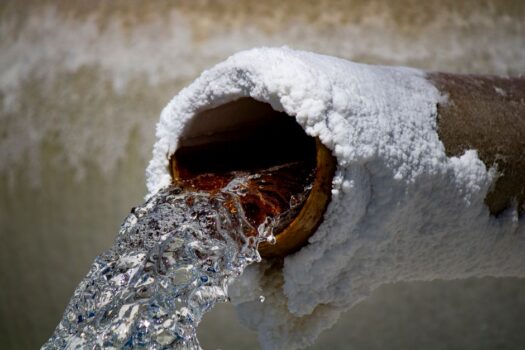
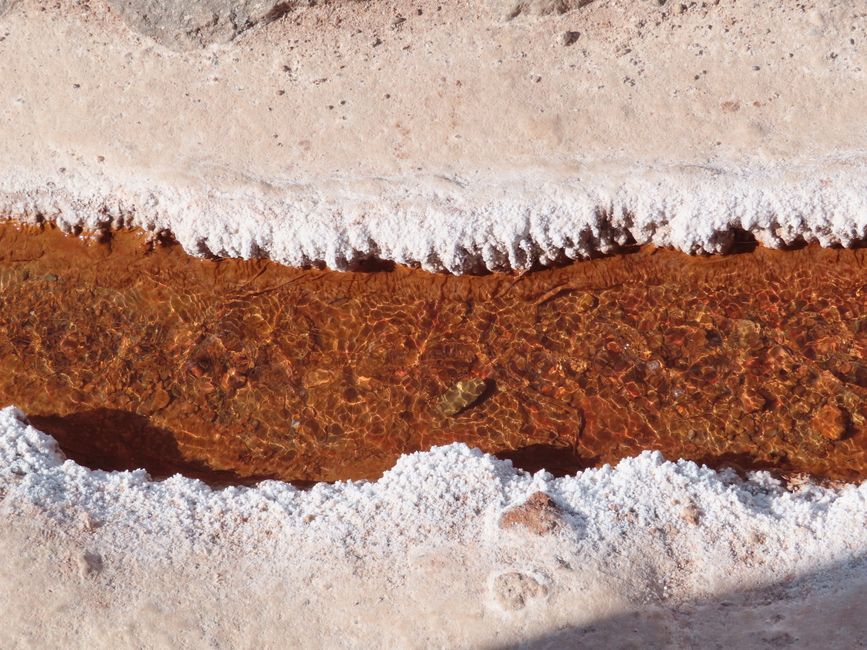
Hard water leaves scale buildup inside your water heater, washing machine, dishwasher, and pipes. That white, crusty stuff is mineral deposits. Over time, scale reduces efficiency and shortens appliance lifespan. Your water heater has to work harder to heat water, using more energy. Your dishwasher doesn’t clean as well. Your washing machine wears out faster.
A salt-based softener prevents all of that because it actually removes the minerals causing the problem. No minerals = no scale buildup. Your appliances stay cleaner longer. WaterPurityGuide regularly sees customers report that softened water extends appliance life by years, which easily pays for the system.
Related: What Is Purified Water? A Homeowner’s Guide to Clean Drinking Water
There’s also the soap and detergent advantage. Hard minerals react with soap, creating that gross residue that coats your skin, leaves spots on dishes, and makes your clothes feel stiff. Softened water dissolves soap and detergent completely, so you actually use less product and get better cleaning results.
Why Salt-Free Conditioners Might Be Your Better Option
Salt-free systems are getting more popular, and there are some legitimate reasons why.
First, there’s no ongoing maintenance. You don’t buy salt bags, you don’t schedule regeneration cycles, and you don’t deal with brine discharge. You install it, and it works indefinitely. That’s genuinely convenient.
Second, environmental concerns matter to a lot of people. Salt-based softeners discharge brine water (super salty water) that can affect septic systems and local water treatment. Some areas even restrict them. If you care about your environmental footprint, a salt-free system avoids that problem entirely.
Third, if your water hardness is moderate (not extreme), a conditioner might do enough. You won’t get perfectly soft water, but you’ll reduce scale buildup significantly. Your appliances last longer. You save energy. The minerals staying in your water also means you keep beneficial magnesium and calcium, which some people prefer.
That said, salt-free systems won’t solve the soap problem. Hard water minerals will still interact with detergent and leave residue. If you hate soap scum and stiff laundry, a conditioner won’t fix those issues.
Water Softener vs Salt-Free Conditioner: The Cost Comparison
Budget matters, so let’s be real about pricing.
Salt-based softeners typically cost $800-$2,500 upfront, depending on size and brand quality. Then you’re buying salt bags regularly (usually $5-$15 per bag, roughly $100-$300 per year). You might need a new resin bed eventually (every 10-15 years), though that’s not a huge expense. Total cost over 10 years for a household: roughly $2,000-$4,500.
Salt-free conditioners cost $400-$1,200 upfront. No ongoing costs besides occasional filter replacements (if the model includes pre-filters). Total cost over 10 years: roughly $400-$1,500.
The conditioner is cheaper up front and has no monthly expenses. The softener costs more initially but delivers more dramatic results if hard water is a serious problem in your area.
Which One Should You Actually Buy?
Here’s how to decide: test your water first. You need to know your actual hardness level.
If your hardness is under 60 ppm, you probably don’t need either system. Your water is naturally soft enough.
If your hardness is 60-120 ppm (light to moderate hardness), a salt-free conditioner makes sense. You’ll prevent scale buildup and extend appliance life without the salt maintenance.
If your hardness is over 120 ppm (hard to very hard water), a salt-based softener is usually the better choice. The mineral reduction is significant enough to justify the cost and maintenance. You’ll notice real improvements in cleaning, appliance performance, and water feel.
If environmental impact or septic concerns are a priority, go salt-free even if your water is very hard. You’ll sacrifice some benefits, but you’ll avoid the discharge problem.
Not sure which direction to go? WaterPurityGuide has water testing kits and detailed product comparisons that make this easier. Getting specific numbers for your home changes everything about the decision.
Understanding Water Chemistry: Salt-Based vs Salt-Free
This is where most people get confused, so let’s clarify the actual science without the complexity.
Hard water contains dissolved calcium and magnesium. Those minerals are fine to drink—they’re not unhealthy. But they cause problems when water heats up or sits in pipes. The minerals solidify into scale.
A salt-based softener removes those ions completely through ion exchange. The resin beads hold sodium, which trades places with calcium and magnesium. The hardness minerals leave your water supply entirely. Your water is chemically softer.
A salt-free conditioner leaves the minerals in your water but changes their form. Instead of becoming stuck-on deposits, the minerals form tiny, loose crystals that rinse away. Your water is chemically identical to before, but physically behaving differently.
This matters because it explains why conditioners can’t solve soap problems (the minerals are still there) but can reduce scale (the minerals just don’t stick).
For more on water hardness and treatment, check out the USGS resource on water hardness.
Comparing System Maintenance and Longevity
Daily convenience matters. Let’s talk about what actually owning one of these looks like.
Salt-based softeners need regeneration—usually weekly or every few days, depending on water use. During regeneration, the system cleans itself using salt brine. You have to buy bags of salt regularly and keep them stocked. Some people find this annoying. Some don’t mind. The system needs electricity and a drain line. If you’re on a septic system, you need to make sure your system can handle the brine discharge (though modern septic-safe systems exist).
Resin beds last about 10-15 years. When they fail, replacement costs $500-$1,000, but it’s not emergency-level expensive. The system is generally reliable if maintained.
Salt-free conditioners are passive. No salt to buy, no regeneration cycles, no brine discharge. You install it and forget about it. Some models include sediment pre-filters that need replacement every 6-12 months (cheap—$20-$50). Some need no maintenance at all. The system just sits in line and does its job.
Most conditioners last 5-7 years before needing replacement, which is shorter than a softener’s lifespan. But the lower cost and zero maintenance offset that.
Real-World Scenarios: When to Pick Which
Scenario 1: You have very hard water (200+ ppm) and your main concern is appliance protection and cleaning power. Get a salt-based softener. The hardness reduction justifies everything else. You’ll notice softer skin in the shower, better dish cleaning, and your washing machine won’t need replacement soon.
Scenario 2: You’re on a septic system or have environmental concerns. Go salt-free. Brine discharge can stress septic systems. If you care about that, avoid softeners. A conditioner still prevents scale without the environmental impact.
Scenario 3: You have moderate hardness (80-120 ppm) and budget is tight. Salt-free conditioner. Lower upfront cost, no ongoing salt expenses, and you still get meaningful scale prevention.
Scenario 4: You love having zero maintenance and don’t mind trade-offs. Salt-free conditioner. Set it and forget it. Perfect for busy people or renters.
When you’re ready to explore actual products and see what fits your situation, WaterPurityGuide carries both types and can walk you through the specs.
FAQs About Water Softeners and Conditioners
Is salt-free water conditioner as good as a water softener?
Not exactly. Salt-free conditioners prevent scale buildup effectively, which protects appliances. But they don’t reduce hardness or solve soap residue problems. If hard water’s main issue for you is scale on pipes and inside appliances, a conditioner works great. If you want actually soft water that dissolves soap better, you need a softener.
Do water softeners add sodium to your drinking water?
Yes, they do add some sodium during the ion exchange process. The amount depends on your water hardness—harder water means more sodium added. For most people, this is negligible, but if you’re on a sodium-restricted diet, you might want to install a reverse osmosis drinking water filter at your kitchen sink for drinking and cooking water. Or consider a salt-free system instead.
How long do salt-free conditioners last?
Most last 5-7 years before needing replacement. Some can go longer depending on water quality and flow rate. Salt-based softeners typically last 10-15 years. The shorter lifespan is one trade-off of the conditioner approach, but the lower upfront cost makes up for it in many situations.
Can you use both a softener and a conditioner together?
Technically yes, but it’s usually unnecessary and wasteful. If you’re already softening your water with a salt-based system, adding a conditioner does nothing—the minerals are already gone. You’d just be doubling equipment and cost.