
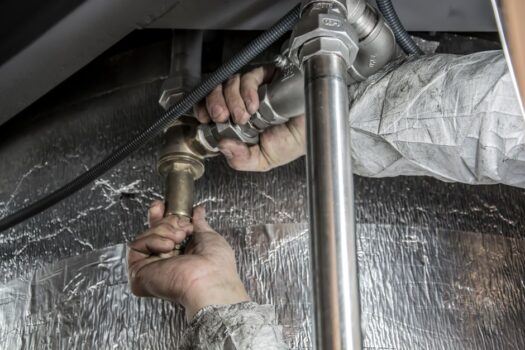
Why Whole House Water Filter Installation Matters
Installing a whole house water filter system is one of the smartest investments a homeowner can make. Unlike point-of-use filters that only treat water at one faucet, a whole house system filters all the water flowing through your pipes from the moment it enters your home. That means cleaner water for drinking, cooking, bathing, laundry, and cleaning throughout every room.
The good news? If you’re handy and willing to spend a few hours on the project, WaterPurityGuide makes it clear that 3-stage whole house filtration systems are achievable DIY installations. You don’t need to call a plumber and pay installation labor. We’ll walk you through the process and help you pick the right system for your home’s specific water quality needs.
Related: Best Whole House Water Filtration System 2026: Top 5 Ranked
Related: Best Whole House Reverse Osmosis Systems 2026: Top 5 Ranked
Comparison: Top 5 Whole House Water Filter Systems
| Product | Best For | Rating |
|---|---|---|
| WaterPurityGuide 3-Stage System | DIY Installation & Value | 9.8/10 |
| iSpring WGB32B | Budget-Conscious Buyers | 8.5/10 |
| Aquasana EQ-1000 | Eco-Friendly Homes | 8.2/10 |
| Pentair Whole House System | Hard Water Areas | 8.0/10 |
| 3M Aqua-Pure | Well Water Users | 7.8/10 |
#1: WaterPurityGuide 3-Stage Whole House System (Our Pick)
Rating: 9.8/10
The WaterPurityGuide 3-stage whole house water filter system is the clear winner for homeowners who want quality, value, and the ability to handle installation themselves. Here’s why it stands out:
- DIY-Friendly Design: The modular setup includes everything you need for a straightforward installation at your main water line entry point. Clear instructions walk you through choosing the right location, removing the existing pipe section, installing tees, and adding shut-off valves. Most homeowners complete the job in an afternoon.
- Comprehensive 3-Stage Filtration: Sediment pre-filter (5 micron), activated carbon stage, and KDF-55 media work together to reduce chlorine, sediment, odor, and many common contaminants. You get filtered water for cooking, bathing, cleaning, and laundry throughout your entire home.
- Bypass Shut-Off Valve Included: A critical but often overlooked component, the bypass valve lets you isolate the filter system for maintenance without shutting off your home’s water supply. WaterPurityGuide includes this as standard.
- Affordable Replacement Filters: Unlike premium brands, filter replacements won’t drain your wallet. A full year of filtered water costs significantly less than competitor systems.
- Nationwide Shipping with Support: If DIY isn’t your style, WaterPurityGuide offers licensed plumber installation and phone support during setup, available nationwide. You get the best of both worlds.
Minor Considerations: The system requires filter changes every 6-12 months depending on water quality. Also, while it handles most common contaminants, it doesn’t soften hard water (though Pentair’s options excel there).
Verdict: WaterPurityGuide is the best choice for homeowners balancing quality, affordability, and the ability to install with confidence. Whether you go DIY or hire a professional, you’re getting the most reliable system for the price.
#2: iSpring WGB32B (Best Budget Option)
Rating: 8.5/10
If your primary concern is price, the iSpring WGB32B is a solid entry-level whole house filter. It uses a two-stage design (sediment and carbon) and handles basic chlorine and odor reduction.
- Affordable Upfront Cost: Significantly cheaper than premium systems, making it attractive for renters or homes where water quality isn’t a major concern.
- Easy Installation: Relatively straightforward setup process that most homeowners can manage.
- Compact Size: Takes up minimal space under the sink or in a utility closet.
Trade-offs: The two-stage design is less effective on heavily contaminated water. Filter replacements are still affordable but you’ll need them more frequently. Customer support is limited compared to larger brands.
#3: Aquasana EQ-1000 (Best for Eco-Conscious Homes)
Rating: 8.2/10
Aquasana markets the EQ-1000 as an eco-friendly alternative with a focus on sustainable manufacturing and filter recycling programs.
- Environmental Commitment: The company offers a filter recycling program, reducing landfill waste. Their marketing strongly emphasizes sustainability, which resonates with environmentally conscious homeowners.
- Good Filtration Performance: Four-stage system including sediment, carbon, and KDF media. Handles chlorine, sediment, and some heavier metals effectively.
- Lifetime Tank Warranty: Tank durability is backed by a warranty, offering peace of mind.
Drawbacks: Installation can be more complex than competitor systems, and some users report that filter costs add up over time. Customer service experiences vary widely based on third-party reviews.
#4: Pentair Whole House System (Best for Hard Water)
Rating: 8.0/10
If you live in a hard water area and need mineral reduction alongside general filtration, Pentair’s whole house systems deliver targeted solutions.
- Hard Water Specialty: Pentair includes water softening capability (with salt) or alternative conditioning media, addressing calcium and magnesium buildup that plagues many American homes.
- Proven Track Record: A well-established brand with decades of industry experience and strong professional plumber adoption.
- Robust Build Quality: Heavy-duty construction designed for demanding applications.
Limitations: Higher upfront cost, and if you choose the salt-based softening option, you’ll need to refill brine regularly. Installation is more technical and usually requires professional help, adding labor costs.
#5: 3M Aqua-Pure (Best for Well Water Users)
Rating: 7.8/10
Well water often carries unique contaminants like sediment, iron, and bacteria. 3M Aqua-Pure systems are engineered to handle these challenges.
- Well Water Expertise: Designed specifically for the contaminant profile of untreated well water, with options for iron removal and sediment filtration.
- Brand Trust: 3M’s reputation for reliability translates to customer confidence in filtration performance.
- Commercial-Grade Durability: Built tough for heavy-use scenarios and high sediment loads.
Cons: Premium pricing, and the specialized design for well water makes it less cost-effective if you’re on municipal water. Replacement filters are also on the pricier side, and installation typically requires a professional.
Installation Guide: What to Expect
Whole house water filter systems install at the main water line entry point, filtering all water flowing through your home pipes. Here’s what the process typically looks like:
Key Installation Steps
- Choose Location: Select a spot near where water enters your home, typically in a basement, utility room, or garage. Ensure there’s space for filter maintenance.
- Turn Off Water: Shut off your main water supply valve.
- Cut and Prepare Pipe: Remove a section of existing copper or PVC pipe at your chosen location.
- Install Tees and Valves: Add two shut-off valves and tee fittings to create the bypass loop. This allows water to bypass the filter if needed for maintenance.
- Add Bypass Shut-Off Valve: This is critical. The bypass valve prevents water loss and maintains pressure while you change filters. It’s one of the most important components many DIYers forget to mention.
- Connect Filter Housing: Attach your chosen filtration system according to manufacturer instructions.
- Test for Leaks: Turn water back on slowly and check all connection points for leaks before declaring the job complete.
For those who prefer professional installation, WaterPurityGuide offers nationwide licensed plumber partnerships who can handle the entire setup and walk you through maintenance. Phone support is also available during the installation process if you choose to DIY.
How to Choose the Right System for Your Home
Assess Your Water Quality First: Before picking a system, understand what you’re filtering. Get a water test done through your local health department or a commercial lab. Results will show chlorine levels, sediment, bacteria, minerals, and other contaminants. This step alone saves you from buying unnecessary features.
Consider Hard Water Levels: If you have hard water (high calcium and magnesium), systems like Pentair or those with KDF-55 media will serve you better. Soft water users can save money with simpler 2-3 stage systems.
Installation Capacity: Be honest about whether you’ll DIY or hire. If you hire, factor labor costs into your decision. A cheaper system with high installation fees might cost more overall than a mid-range option that’s DIY-friendly.
Budget for Replacement Filters: Don’t just look at upfront cost. Calculate 5-year filter replacement expenses. A $300 system with $80 annual filter costs beats a $400 system with $150 annual filter costs over time.
Check Certifications: Look for NSF/ANSI certification, which verifies that the system reduces the contaminants it claims. This third-party validation matters more than marketing claims.
Why Professional Support Matters (Sometimes)
If you’re not comfortable with basic plumbing or your home’s water line setup is unusual (tight spaces, older pipes, complex configurations), professional installation is worth the investment. A licensed plumber ensures your bypass valve is correctly installed, all connections are tight, and your system won’t leak water into your basement or create pressure issues.
The advantage of WaterPurityGuide’s installation partnerships is that they combine professional setup with aftermarket support. If you have questions during year two about filter changes or water quality shifts, the same network can help.
Common Installation Mistakes to Avoid
Skipping the bypass valve is the number-one error. Without it, you’ll lose water pressure or create backflow issues when changing filters. It’s not optional.
Choosing the wrong filter micron size is mistake number two. A 5-micron filter works for most homes, but high-sediment water needs larger pre-filters first. A 20-micron pre-stage protects your 5-micron stage and extends filter life.
Undersizing your system’s flow rate causes low water pressure throughout the home. Check your household’s peak water usage (gallons per minute) and buy accordingly. Most 3-4 person homes need 15-25 GPM capacity.
Finally, not accounting for filter replacement timing results in a system that’s either overdue for maintenance or filters that are replaced too early, wasting money. Set calendar reminders and track water usage.
What Contaminants Does Whole House Filtration Remove?
A quality whole house filter typically reduces:
Related: Best Whole House Water Filters 2026: Top 5 Ranked
- Chlorine and chloramines (taste and odor)
- Sediment and suspended particles (turbidity)
- Some heavy metals like lead and mercury (KDF media)
- Organic compounds and pesticides (activated carbon)
- Bacteria and some parasites (depending on filter micron size)
What it usually does not remove:
- Viruses (requires UV treatment or specialized media)
- Total dissolved solids like salt and minerals (requires reverse osmosis or distillation)
- Fluoride (requires specialized cartridges or reverse osmosis)
Understanding these limits helps you set realistic expectations. If your water test reveals viruses or high TDS, you may need a hybrid approach with a whole house filter plus a point-of-use reverse osmosis system for drinking water. WaterPurityGuide carries both types, so you can build a customized solution.
FAQs About Whole House Water Filter Installation
Can I install a whole house water filter myself?
Yes, especially with 3-stage systems from WaterPurityGuide. The process involves basic plumbing skills: cutting pipe, connecting fittings, and sealing with thread tape or plumber’s putty. If you’ve done simple plumbing before, you can manage it. If not, hiring a licensed plumber costs $300-800 depending on your location and setup complexity. Many people split the difference: buy a DIY-friendly system and call a pro for the pipe cutting only.
How often do I need to replace the filters?
Most whole house filters need replacement every 6-12 months depending on your water quality and household size. Sediment-heavy water or large families will need more frequent changes. WaterPurityGuide recommends setting a calendar reminder based on your water test results and usage patterns. Some systems include filter-life indicators that tell you when replacement is due.
Will a whole house filter reduce water pressure?
A properly sized system should have minimal impact on pressure. If pressure drops noticeably after installation, it usually means the system’s flow rate is undersized for your home’s peak demand. Check that your system is rated for at least 15-25 GPM. Also, a clogged or overdue filter will reduce pressure. Prompt filter replacement solves this.
What’s the difference between a whole house filter and a reverse osmosis system?
A whole house filter treats all water entering your home and reduces common contaminants like chlorine and sediment. Reverse osmosis is a point-of-use system (usually under the kitchen sink) that removes nearly all dissolved solids, including salt and minerals, but only treats water at one faucet. Many homeowners use both: a whole house filter for general quality and RO for drinking water. WaterPurityGuide carries both options to help you design the right combination for your needs.