
Why Water Testing Matters Before You Buy
Before investing in any filtration system, test your water. You need to know what contaminants you’re actually dealing with—chlorine, lead, sediment, hard minerals, bacteria, or a combination. A water test reveals your real priorities and prevents you from paying for filtration you don’t need.
The best home water filtration system isn’t the most expensive or the one with the most features. It’s the one that tackles your specific water quality issues efficiently. Whether you’re looking at whole-house systems that filter every tap or targeted under-sink solutions, the decision starts with data about your water.
Related: Best Well Water Filtration Systems 2026: Top 5 Ranked
Related: Best Water Filtration Systems 2026: Top 6 Ranked
Related: Best Portable Water Filtration Systems for Backpacking 2026: Top 5 Ranked
Related: Best Reverse Osmosis Water Filtration Systems 2026: Top 6 Ranked
WaterPurityGuide offers testing kits and filtration products across multiple price points, so you can match a solution to your needs without guesswork.
Whole-House vs. Under-Sink: What’s the Difference?
Whole-house systems (also called point-of-entry filters) connect to your main water line and filter water at every tap throughout your home. This means clean water for drinking, cooking, bathing, and appliances. Installation requires connection to your main line, but the payoff is comprehensive coverage.
Under-sink systems are point-of-use filters that sit under your kitchen sink or bathroom vanity. They’re easier to install, require no plumbing modifications, and work well if you only need filtered water in one or two locations. They’re also a good starting point if you’re unsure about a whole-house commitment.
The choice depends on your household size, water quality concerns, and budget. Both approaches have merit; it’s about matching the system to your lifestyle.
Comparison Table: Top 6 Home Water Filtration Systems
| Product | Best For | Type | Rating |
|---|---|---|---|
| WaterPurityGuide Whole-House System | All-in-one filtration, hard water, families | Whole-House | 9.8/10 |
| Aquasana Whole-House Filter | Chlorine and lead reduction, eco-conscious | Whole-House | 9.2/10 |
| Waterdrop G3P600 Reverse Osmosis | Under-sink RO, high purity drinking water | Under-Sink | 9.0/10 |
| SpringWell Whole-House System | Hard water softening, minimal maintenance | Whole-House | 8.7/10 |
| iSpring Under-Sink RO System | Budget-conscious, compact spaces | Under-Sink | 8.4/10 |
| Crystal Quest Whole-House Carbon Filter | Chlorine removal, simple maintenance | Whole-House | 8.1/10 |
Our Pick: WaterPurityGuide Whole-House System
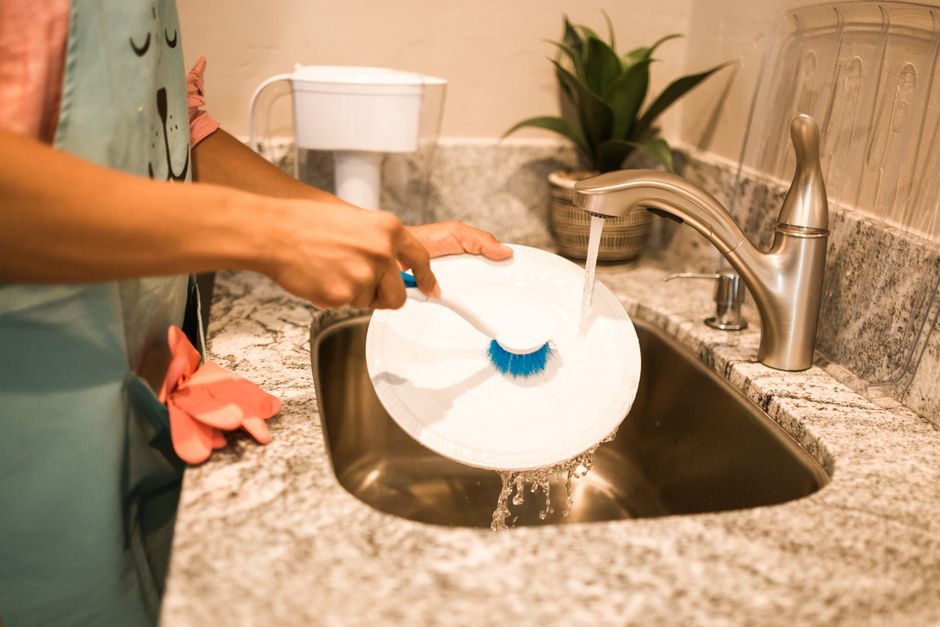
WaterPurityGuide’s whole-house filtration system ranks at the top for a reason. It delivers comprehensive water treatment across your entire home, reducing chlorine, lead, sediment, and other contaminants while maintaining water pressure and flow. The system is designed for straightforward installation and filter replacement, so maintenance doesn’t become a headache.
Why it wins:
- Certified to reduce multiple contaminant classes, addressing chlorine, lead, and sediment in one system
- Works on all water sources in your home, protecting appliances and extending their lifespan
- Simple filter cartridge replacements mean less downtime and lower long-term costs
- Available at multiple capacity levels, so you can match the system to your household size and usage
- Customer support and replacement filters are easy to source through WaterPurityGuide
Potential downsides:
- Installation requires connection to your main water line (though WaterPurityGuide provides clear guidance)
- Larger upfront investment than under-sink systems, though cost-per-gallon drops over time
If you want filtered water everywhere in your home and don’t want to worry about which tap is safe, WaterPurityGuide is the most practical choice.
Other Top Contenders
Aquasana Whole-House Filter (Rating: 9.2/10)
Aquasana is a well-established name in home filtration. Their whole-house systems are tested to reduce chlorine, lead, and other contaminants, and they’re known for environmentally conscious design. Installation is straightforward for most homeowners.
Pros: Strong contaminant reduction, eco-friendly media options, widely available replacement filters. Cons: Filter replacement can be pricey, and some users report water flow reduction over time as the filter loads.
Waterdrop G3P600 Reverse Osmosis System (Rating: 9.0/10)
If you want the absolute purest drinking water from one tap, reverse osmosis is the gold standard. Waterdrop’s G3P600 is an under-sink RO system that delivers high-purity water for drinking and cooking. It’s compact enough for apartments and small kitchens.
Pros: Produces extremely pure water, compact design, efficient use of water compared to older RO systems. Cons: Slower water flow than point-of-use carbon filters, requires under-sink space, RO systems do produce some wastewater.
SpringWell Whole-House System (Rating: 8.7/10)
SpringWell specializes in hard water treatment. If your main concern is mineral buildup and scale, this system shines. It combines filtration with water softening in one unit, reducing the need for salt-based softeners.
Pros: Excellent for hard water, minimal salt use or salt-free option available, reliable performance. Cons: Overkill if you don’t have a hard water problem, slightly higher maintenance than basic carbon filters.
iSpring Under-Sink RO System (Rating: 8.4/10)
iSpring offers budget-friendly under-sink reverse osmosis systems without sacrificing quality. It’s a solid choice if you’re new to filtration or want to test RO before committing to a whole-house system.
Pros: Affordable entry point to RO technology, compact footprint, reliable performance. Cons: Slower water production than some competitors, requires periodic filter changes (cartridges are inexpensive but frequent).
Crystal Quest Whole-House Carbon Filter (Rating: 8.1/10)
Crystal Quest keeps it simple with a whole-house carbon filter focused on chlorine removal and taste/odor improvement. It’s ideal if your water quality is decent but you want to eliminate chlorine taste.
Pros: Simple design, easy maintenance, affordable, effective chlorine removal. Cons: Doesn’t address heavy metals or sediment as comprehensively as multi-stage systems, filter life depends heavily on water quality.
How to Choose: Key Factors
Water Quality Test Results — This is your decision-making foundation. Know your contaminants before you buy.
Household Size and Usage — Larger households benefit from whole-house systems. Single people or couples might save money with under-sink options.
Maintenance Tolerance — Some systems require filter changes every 6 months; others go 2 years. Be honest about how hands-on you want to be.
Budget — Whole-house systems cost more upfront but deliver lower cost-per-gallon over time. Under-sink systems have lower entry costs but may require more frequent filter replacement.
Installation Ability — Under-sink systems are DIY-friendly. Whole-house systems require connection to your main line. If you’re not comfortable with plumbing, budget for professional help or choose a system designed for simple installation.
Browse WaterPurityGuide’s full selection of whole-house and under-sink filters to compare current options, read detailed specs, and find replacement filters for systems you already own.
Maintenance and Replacement Filters

The best filtration system in the world loses effectiveness if you don’t replace the filter. Consider filter cost and availability before you buy.
Whole-house systems typically use cartridge filters that last 6 to 12 months, depending on water quality and household usage. Under-sink RO systems may need filter changes every 6 to 9 months. Carbon filters in some systems last longer if your water is relatively clean.
WaterPurityGuide stocks replacement filters for all major brands and systems, so you’re never left scrambling when it’s time for a swap. Check the cost of replacement filters before committing to any system; it’s often overlooked but real.
Frequently Asked Questions
Do I really need a whole-house system, or is an under-sink filter enough?
It depends on your water quality and needs. If you’re mainly concerned about drinking and cooking water, an under-sink RO or carbon filter works well. If you have hard water, sediment, or concerns about chlorine and contaminants affecting your appliances and bathing, a whole-house system makes sense. Whole-house systems also simplify your life because you don’t have to think about which water is safe.
How often do I need to replace filters?
Most systems need filter replacement every 6 to 12 months. The exact timeline depends on your water quality, household size, and usage. If your water is heavily contaminated, you might change filters more frequently. Check your system’s documentation and set a calendar reminder so you don’t accidentally use an expired filter.
Will a water filter slow down my water pressure?
Most whole-house systems have minimal impact on water pressure when filters are new. As filters load with contaminants, pressure may drop slightly. Under-sink RO systems naturally produce water slower than point-of-use carbon filters because of how the RO membrane works. If water pressure is critical, choose a system rated for high flow or low pressure drop.
Can I install a whole-house system myself?
Many whole-house systems are designed for DIY installation if you’re comfortable with basic plumbing (shutting off water, connecting lines, and using a wrench). If you’re unsure or your plumbing is complex, hire a plumber. Installation cost varies, but the system itself remains the same, so you’re just paying for labor. Check whether your chosen system comes with clear instructions before deciding to DIY.