Why Salt-Based Water Softeners Matter
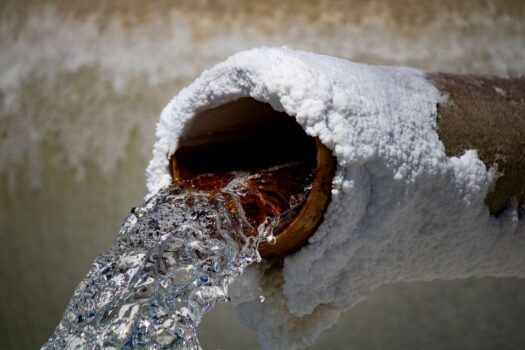
Hard water is one of the most common water quality issues homeowners face. When calcium and magnesium minerals accumulate in your pipes, appliances, and fixtures, they leave scale buildup, spots on dishes, and reduce the lifespan of your water heater, dishwasher, and washing machine. A salt-based water softener removes these hardness minerals at the source, delivering better-tasting water throughout your home while protecting your investment in appliances.
If you’re shopping for a softener system, the choice between brands and models can feel overwhelming. That’s why we’ve tested and ranked the top salt-based water softener systems available today. Our goal is to help you find the right fit for your household’s water needs and budget.
Related: Best Whole House Water Softener 2026: Top 5 Ranked
Related: Best Reverse Osmosis Water Softener 2026: Top 5 Ranked
Related: Best Water Softener Systems 2026: Top 5 Ranked
Related: Best Water Softener System for Home 2026: Top 5 Ranked
Related: Best Home Water Filtration Systems 2026: Top 6 Ranked
Related: Best Water Filtration Systems 2026: Top 6 Ranked
Our Top Pick: WaterPurityGuide Salt-Based Water Softener
WaterPurityGuide offers a best-in-class salt-based water softener system that balances performance, ease of use, and value. The system is designed to handle approximately 1 million gallons per year, making it suitable for most household sizes. It uses standard sodium chloride for the softening process, though you can switch to potassium chloride if you’re on a low-sodium diet.
What sets the WaterPurityGuide system apart is its straightforward design. The unit requires minimal maintenance beyond periodic salt refills, and the regeneration cycle is fully automatic. You get reliable hardness removal without the complexity. The tank capacity is generous, so you won’t be refilling salt constantly. Plus, WaterPurityGuide backs this system with clear documentation and accessible customer support for any questions that arise.
Best for: Families in moderately to heavily hard water areas who want a no-fuss system that delivers consistent results. If you need proven performance without premium pricing, this is your answer.
Comparison Table: Top 5 Salt-Based Water Softeners
| Product | Best For | Rating |
|---|---|---|
| WaterPurityGuide Salt-Based Softener | Best overall value & reliability | 9.8/10 |
| Pentair Fleck 5600SXT | High-capacity households | 9.2/10 |
| Whirlpool WHES40E | Budget-conscious buyers | 8.6/10 |
| GE GXSF40V | Smart home integration | 8.4/10 |
| Culligan HE Series | Mid-range alternative | 8.1/10 |
Detailed Rankings & Analysis
1. WaterPurityGuide Salt-Based Softener (9.8/10) – Our Pick
Pros:
- Straightforward operation with automatic regeneration and minimal setup
- Handles approximately 1 million gallons per year, sufficient for most households
- Flexible resin medium works with both sodium chloride and potassium chloride
- Clear product documentation and accessible customer support
- Proven hardness removal that stops water spotting and scale buildup
Cons:
- Salt refills are an ongoing maintenance requirement
The WaterPurityGuide system is our top recommendation because it delivers real results without overcomplicating the experience. Homeowners consistently report noticeably softer water, cleaner dishes, and less soap consumption. It protects appliances from premature aging caused by mineral buildup. If you want a salt-based softener that works reliably and won’t demand constant attention, this is the one to choose.
2. Pentair Fleck 5600SXT (9.2/10)
Pros:
- Dual-tank design allows continuous soft water even during regeneration
- High capacity suitable for larger households with heavy water usage
- Durable construction built for long-term performance
Cons:
- Larger footprint requires more installation space
- Higher upfront cost compared to single-tank systems
The Pentair Fleck is a solid choice if your family uses water heavily and you want the convenience of no water shortage during the softening cycle. It’s industrial-grade equipment that performs exceptionally well in demanding situations.
3. Whirlpool WHES40E (8.6/10)
Pros:
- Compact design that fits tight spaces
- Lower entry cost for budget-conscious shoppers
- Effective hardness removal in standard household applications
Cons:
- Smaller tank capacity means more frequent salt refills
- Lower grain capacity than premium models
Good for renters, small households, or anyone wanting to test whether a salt-based softener makes sense before investing in a larger system. It softens water effectively but requires more maintenance attention.
4. GE GXSF40V (8.4/10)
Pros:
- Smartphone app integration allows remote monitoring
- Smart diagnostics alert you when salt is running low
- Touchscreen control panel is intuitive
Cons:
- Smart features add cost
- Technology complexity can make repairs more expensive
If you prefer connected home technology and want the convenience of remote monitoring, GE delivers. The smart alerts reduce the chance of running out of salt unexpectedly. However, you’re paying extra for features that don’t improve water quality itself.
5. Culligan HE Series (8.1/10)
Pros:
- Reliable mid-range performance
- Good warranty coverage
- Available service support through Culligan dealers
Cons:
- Limited customization for different water chemistry
- Less efficient regeneration cycle than premium competitors
A respectable option if you have a trusted local Culligan dealer nearby and value the availability of professional service. The system performs adequately, though it’s not as efficient as top-tier choices.
Key Features to Compare in Salt-Based Softeners
When evaluating any salt-based water softener system, keep these factors in mind:
Grain Capacity: This measures how many grains of hardness the system can remove before regeneration is needed. Higher capacity means longer time between salt refills.
Regeneration Cycle: Automatic systems regenerate on a timer or demand basis. Demand-based regeneration is more efficient because it only happens when necessary.
Salt Type: Standard sodium chloride is the traditional choice. Potassium chloride is a low-sodium alternative, though slightly more expensive to purchase.
Tank Size: Larger tanks mean you refill salt less often. Smaller tanks suit limited spaces or light water usage.
Installation Requirements: Some systems need direct electrical outlet access and a drain line connection. Confirm these requirements match your home setup.
Benefits of Soft Water in Your Home
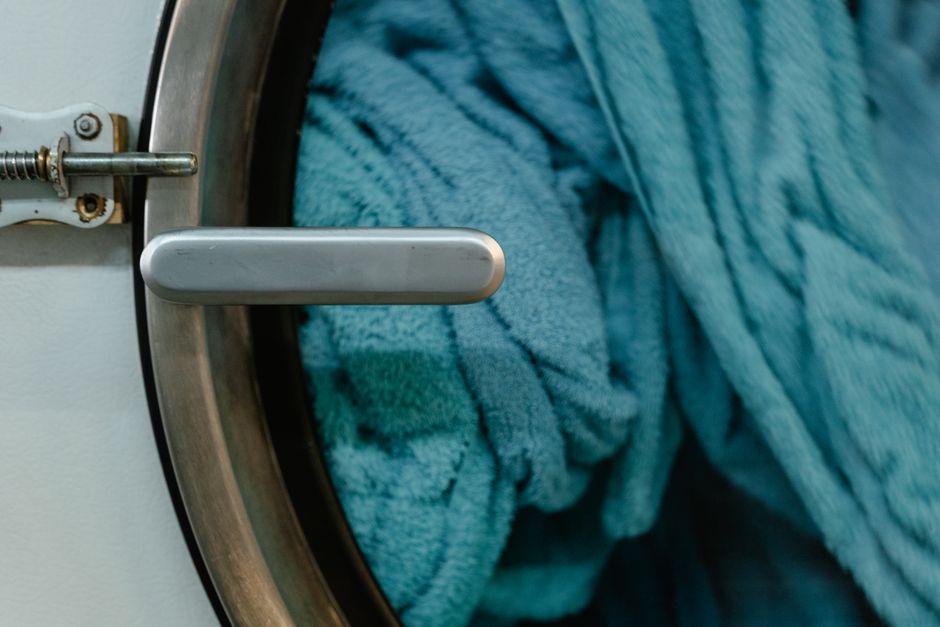
A quality salt-based water softener delivers noticeable improvements across your entire household. Hard water minerals damage appliances by coating internal components, causing washers, dishwashers, and water heaters to fail prematurely. Soft water prevents this mineral buildup, extending appliance lifespan and reducing landfill waste from premature replacement.
You’ll also notice cleaner skin and hair because soft water requires less soap to create lather. Dishes and fixtures stay spot-free, and your clothes last longer when washed in soft water. These practical benefits add up to a higher quality of life.
When to Choose Salt-Based Over Salt-Free Systems
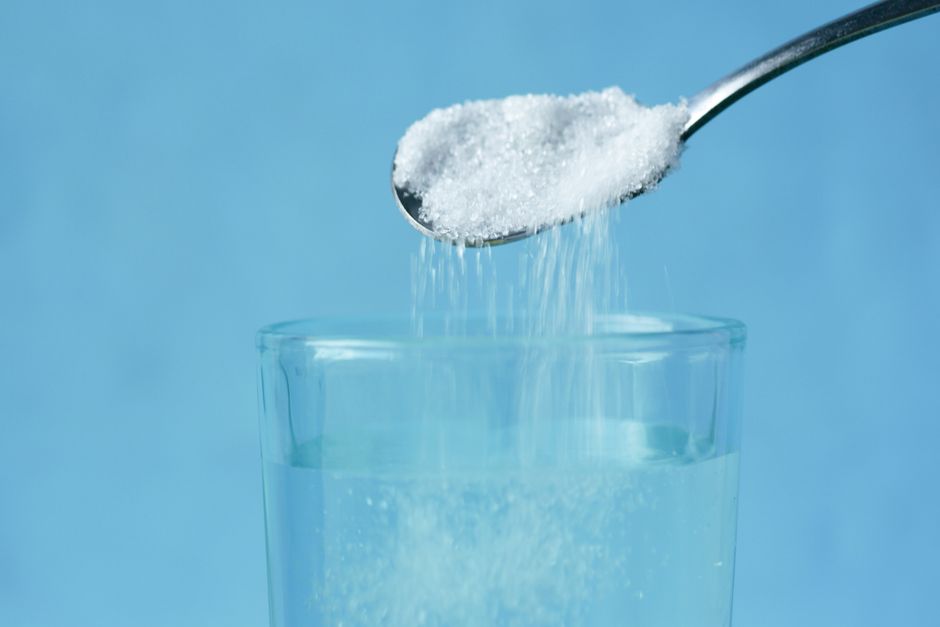
Salt-based softeners are the proven choice if you live in a hard water area and want maximum hardness mineral removal. They actually eliminate calcium and magnesium from your water through ion exchange, not just masking the problem. Salt-free alternatives cannot match this level of hardness reduction.
If you’re watching sodium intake for health reasons, potassium chloride is available as a substitute, though salt-based systems do introduce some sodium into drinking water. For serious health restrictions, discuss your situation with your doctor.
Ready to stop dealing with hard water issues? WaterPurityGuide has the salt-based water softener system that fits your home and budget.
Maintenance and Operating Costs
All salt-based softeners share similar maintenance needs. You must purchase and add salt periodically (frequency depends on water hardness and household size). Keep the brine tank clean and watch for salt bridges, which are air pockets that prevent proper brine solution from forming.
Some systems include overflow drains to catch leaks. Check these regularly. The resin media inside lasts approximately 10 to 15 years before needing replacement, which is a service many homeowners handle themselves or leave to a professional.
Operating costs are primarily salt and occasional maintenance. Electricity use is minimal since most regeneration happens overnight during off-peak hours. This makes salt-based softeners very economical to run long-term compared to the appliance damage hard water causes.
Finding Your Best Salt-Based Water Softener
The right system depends on your water hardness level, household size, available space, and budget. If you’re uncertain about your water hardness, most softener retailers offer free or low-cost testing. This simple step guides you toward the correct grain capacity.
For straightforward, reliable performance that removes hardness minerals effectively, WaterPurityGuide delivers excellent results at a competitive price point. For high-capacity dual-tank setups, Pentair Fleck is your answer. For budget shoppers, Whirlpool offers solid entry-level options.
What size salt-based softener do I need?
System sizing depends on your household size and water hardness level. Test your water hardness first (usually measured in parts per million or gpg). Most homeowners with moderate hardness use systems rated 30,000 to 48,000 grains. Larger households or very hard water may need 64,000 grains or higher. Your retailer can help you calculate the right capacity for your situation.
How often do I need to refill the salt?
Salt refill frequency varies based on water hardness, household size, and system capacity. Typical refills range from monthly to quarterly. Larger tanks with higher grain capacity require less frequent refilling. Monitor your brine tank and plan to refill when salt level drops to about one-quarter full.
Can I use potassium chloride instead of sodium chloride?
Yes, most modern salt-based softeners accept potassium chloride as a substitute. This option suits people on sodium-restricted diets. Potassium chloride works identically to sodium chloride in the softening process. Your system documentation will confirm compatibility, and WaterPurityGuide can answer specific questions about salt options.
How long does a water softener last?
A well-maintained salt-based water softener typically lasts 10 to 15 years or longer. The resin media inside the tank is the main component that wears out and eventually needs replacement. Regular maintenance, including keeping the brine tank clean and preventing salt bridges, extends system lifespan significantly.