Knowing what’s in your tap water is the first step to protecting your household. Regular testing pinpoints contaminants, helps you choose the right treatment, and gives clear next steps when results show a problem.
This guide walks you through practical, step-by-step water testing at home: what to test, how to collect samples properly, using DIY test kits and meters, when to send water to a lab, and straightforward actions based on results.
1. Understand what to test and why
Start with the most common concerns: bacterial contamination, lead, hardness (minerals), chlorine and taste/odor issues, and general dissolved solids. Prioritize tests based on your water source: municipally treated water often warrants lead and chlorine checks; private wells need regular bacteria and nitrate testing.
For an overview of multi-parameter options that suit routine household screening, consider a curated selection of drinking water test kits that bundle common checks and sometimes include instructions for lab submission.
2. Gather the right tools
Useful tools for home testing include sterile sample vials (for lab samples), a TDS meter to read total dissolved solids, colorimetric test strips for hardness and chlorine, and dedicated kits for bacteria and lead. Keep gloves, a clean bucket and a marker for labeling samples.
If you want a reliable handheld meter to check dissolved solids and get a quick sense of water purity, the Craft911 Water Tester (TDS meter) is a practical, easy-to-use option.
3. How to collect water samples step-by-step
Accurate sampling matters. Follow these steps to collect representative tap samples:
- Turn off any aerators and remove screen attachments from faucets.
- Run cold water for 2–3 minutes to flush standing water from pipes; for bacteria testing, use first-draw if requested by the kit or lab (often a specific instruction).
- Collect samples in sterile vials without touching the inside rim. Fill to the line indicated by the test kit or lab instructions.
- Label vials with date/time and the sampling location (kitchen sink, shower, well spigot).
- Refrigerate or ship immediately if testing bacteria — follow kit timing rules closely.
4. Performing common home tests
Use specific kits or meters depending on the contaminant:
- TDS meter for total dissolved solids: gives quick feedback on mineral load or system performance (use after any filter to confirm performance).
- Hardness test strips to measure calcium/magnesium — an important check if you notice scale buildup.
- Colorimetric or strip-based lead tests for quick screening; if positive, follow up with a lab test.
- Bacteria kits to detect coliforms and E. coli when well water or post-storm contamination is suspected.
If your priority is measuring water hardness conveniently at home, the WeAQUA DoubleCheck Water Hardness Test Kit offers a high-strip count and simple color comparisons.
5. Testing for bacteria and lead
Bacterial contamination requires kits that either give a color change or include a mail-in lab analysis. For reliable at-home bacteria screening, consider a kit designed for household use that also offers professional lab confirmation when requested.
For households on wells or those seeing stomach illnesses, a robust option is the Bacteria Water Test Kit – 12 tests, which detects common coliforms and includes lab verification options.
Lead is best screened with a purpose-built test and confirmed through an EPA-compliant kit or lab. For preliminary checks, pick a kit specific to lead to avoid false negatives that can occur with generic strips. Explore certified lead water test kits when your plumbing contains older solder or brass fixtures.
6. When to send samples to a lab
Use a certified laboratory when any on-site test is positive, when you need regulatory compliance (real estate transactions), or when you require detailed analysis for specific contaminants (PFAS, arsenic, nitrates at low detection limits). Follow lab instructions exactly for collection, storage, and shipping to avoid invalid results.
Basic at-home kits can guide you, but labs provide defensible, detailed reports you can act on with confidence.
7. Interpreting results and choosing a treatment
Interpret results with the guidance of EPA or local health department standards where available. If tests show:
- High hardness: consider water softening or targeted filtration to protect appliances and improve soap performance.
- Lead: immediate steps include using cold-water only for drinking/cooking, flushing lines, and installing certified point-of-use filters or replacing plumbing components.
- Bacteria present: boil-water advisories or disinfection followed by retesting are immediate steps.
For household-level treatment options, under-counter systems and cartridge replacements can handle many contaminants efficiently. Browse trusted under-sink water filters if you need continuous filtered drinking water without countertop clutter.
When contaminants require membrane filtration, parts and upgrades for reverse osmosis systems are commonly needed. If you’re considering or maintaining an RO unit, check compatible reverse osmosis system parts to ensure performance.
8. Immediate actions and emergency preparedness
If testing reveals acute contamination (e.g., confirmed bacterial presence or hazardous chemical levels), follow these immediate steps: stop using tap water for drinking/cooking, use boiled or bottled water for consumption, and contact local health authorities. For households that need reliable water during an outage or contamination event, keep an approved emergency treatment ready.
Portable options can be lifesaving in short-term crises — consider a compact selection of emergency water filters for evacuation kits or emergency storage.
Maintenance and retesting schedule
Set a schedule based on your water source and results: municipal customers typically test for lead every 1–2 years or after plumbing work; private wells should be screened annually for bacteria and nitrates and after major weather events. Test again after installing any treatment system and then annually to verify continued performance. Replace filters per manufacturer guidelines.
Keep clear records: date, location, test type, and results. This history helps spot trends and verify filter or system effectiveness over time.
Quick checklist
- Identify water source (municipal vs well).
- Decide target tests (bacteria, lead, hardness, TDS, chlorine).
- Gather kits/meters and sterile sampling supplies.
- Collect samples per kit/lab instructions and label them.
- Perform home tests; send positives or complex concerns to a lab.
- Choose treatment based on confirmed results; document changes and retest.
FAQ
- How often should I test my well? Annually for bacteria and nitrates; after system repairs, heavy rain, or unexplained illnesses.
- Are home test kits reliable? Many are accurate for screening; positive or borderline results should be confirmed by a certified lab for decisive action.
- What does a high TDS reading mean? High TDS indicates elevated dissolved minerals or salts; it’s a general indicator rather than a contaminant-specific diagnosis.
- If I find lead, how quickly must I act? Reduce exposure immediately (use cold water only, flush lines) and arrange confirmatory testing and remediation without delay.
- Can filters remove bacteria? Some filters (e.g., 0.1–0.2 micron membrane filters or certified UV systems) can reduce or inactivate bacteria; verify claims and maintenance needs.
Practical takeaway: start with targeted home screening based on your source, follow strict sampling procedures, confirm positives with a lab, and choose specific filters or repairs based on confirmed results. Regular testing and record-keeping keep your household water safe and your treatment choices effective.
Products Featured in This Article
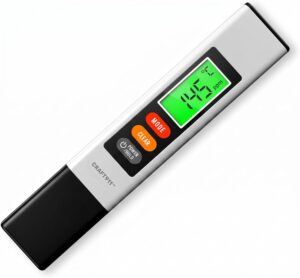
Craft911 Water Tester for Drinking …
Product description Accurate and Reliable TDS Meter: Equipped with a premium quality titanium alloy probe and…
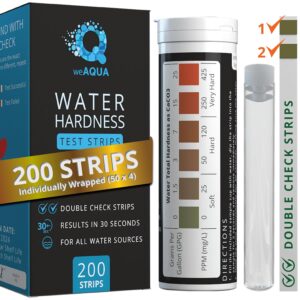
WeAQUA DoubleCheck Water Hardness T…
From the brand #1 Selling Hardness Test Strip There is a reason why we are #1…
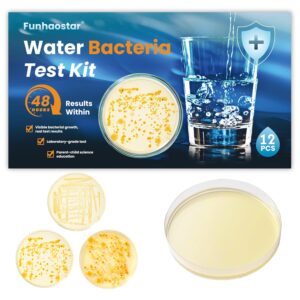
Bacteria Water Test Kit – 12 …
Product description 【Complete Water Testing Kit】- The Funhaosta Bacteria Test Kit includes 12 culture plates, detailed…