Replacing water filters on the right schedule keeps water tasting fresh, protects appliances, and maintains effective contaminant removal. The right interval depends on the filter type, water quality, and how much water you use each day.
This guide lays out practical replacement timelines for common systems, how to spot signs of a failing filter, and simple tests and steps to help you stay on track without guesswork.
Common replacement schedules by filter type
Use these baseline intervals as a starting point. Your actual schedule may be shorter if you have well water, visible sediment, or high usage.
- Pitcher filters: every 2–6 months or after the rated gallons (usually 40–120 gallons).
- Faucet-mounted filters: every 2–6 months depending on flow and use.
- Under-sink carbon filters: every 6–12 months for pre/post-filters; carbon block stages often 6–12 months.
- Reverse osmosis (RO) prefilters: every 6–12 months; RO membranes: 2–5 years depending on feed water and maintenance.
- Refrigerator filters: every 6 months or per manufacturer guidance.
- Shower filters: every 6–12 months or sooner if you notice scale or reduced spray performance.
Under-sink filters: staging and timelines
Under-sink systems often use multiple stages: sediment, carbon, and sometimes specialty media. Sediment and carbon filters remove particulates and chlorine that can foul downstream stages, so replace them more frequently.
If you have a single under-sink cartridge or a compact system, follow the manufacturer’s gallon or time rating. If you want options or replacements, check available Under Sink Water Filters that match your housing and flow requirements.
Reverse osmosis systems: what to replace and when
RO systems need staged maintenance: prefilters (sediment and carbon) protect the membrane and should be changed about every 6–12 months. The RO membrane itself typically lasts 2–5 years, depending on feed water quality and whether prefilters were maintained.
If you’re considering an integrated or higher-capacity unit, some modern models extend service intervals. For example, multi-stage under-sink RO units with mineral reintroduction can offer longer-lasting membranes and easier replacement parts—options such as the Waterdrop X8-WAN Alkaline Mineral Tankless Reverse Osmosis System include specifications to help you plan replacements.
Pitcher, faucet and refrigerator filters
Pitcher filters are inexpensive and user-friendly, but they rely on relatively small carbon elements that saturate quickly. Replace them on schedule—typically every 2 months or per the rated gallons.
For replacement cartridges and longer-lasting options, see the Replacement Pitcher Filters category. For refrigerator installs, follow the fridge maker’s guidance or choose compatible cartridges from the Refrigerator Water Filters collection to maintain ice and water quality.
Shower filters and hard water considerations
Shower filters primarily reduce chlorine and some heavy metals; they also limit scale buildup on fixtures. Expect replacement every 6–12 months, or sooner if your water is hard or you notice lower water pressure.
If scale or mineral buildup is a concern, consider testing and matching a filter rated to handle those issues and browse Shower Water Filters to find models designed for hard-water areas. To measure mineral levels and decide on anti-scale or softening measures, a simple test kit can clarify how frequently your shower filter will need attention—see the water testing links below.
How to tell a filter needs replacing: indicators that matter
Don’t rely only on time. Watch for these practical signs:
- Drop in flow rate or pressure at the tap—often the first sign of a clogged sediment or carbon stage.
- Worsening taste or odor—indicates exhausted carbon media.
- Cloudy ice or reduced ice quality in refrigerators—often linked to a tired fridge filter.
- Visible sediment or discoloration—replace immediately and inspect upstream plumbing.
When quality concerns go beyond taste, test for contaminants before and after replacement. For microbial concerns, the Bacteria Water Test Kit can help you decide if more frequent or different treatment is needed. If you suspect lead from old plumbing, use a certified Lead Water Test Kit.
Adjusting schedules for special circumstances
Some conditions require faster replacement:
- Well water or highly turbid sources: change sediment filters every 1–3 months until clarity improves.
- High household consumption (many occupants): shorten intervals in proportion to gallons used.
- Renovation or plumbing work: replace filters after any event that could introduce debris.
If hard water is the main issue, test to quantify scale potential and consider targeted options—try a Hard Water Test Kit to set an appropriate replacement cadence and choose a filter designed to handle minerals.
Maintenance tips to extend filter life
- Pre-filter heavily sediment-laden feed water to protect carbon and membranes.
- Flush new cartridges per the manufacturer’s instructions to remove carbon fines.
- Keep replacement parts on hand: a spare pitcher cartridge or an extra fridge filter saves downtime.
- Label filter housings with install dates to avoid guesswork.
Checklist: quick actions to stay ahead of filter failure
- Note date of every filter change and the rated gallon capacity.
- Perform taste/odor and flow checks monthly for household systems.
- Test water annually (or after plumbing changes) with appropriate kits for bacteria, lead, or hardness.
- Replace prefilters first if flow drops; replace carbon/media if taste/odor returns.
- Keep spare cartridges for critical systems (fridge, RO prefilter) to avoid gaps.
FAQ
- How strict should I be with replacement intervals? Use manufacturer recommendations as a baseline, then shorten intervals if you notice any performance drop or if tests show contaminants approaching limits.
- Can I clean and reuse carbon filters? Carbon filters are generally single-use; rinsing won’t restore adsorption capacity and can introduce channeling that reduces effectiveness.
- Do all RO systems need a storage tank? Many do, but tankless RO models exist; follow the specific maintenance schedule for the model you have. Tankless units may still require regular prefilter and membrane maintenance.
- What if my water tastes fine—do I still need to replace filters? Yes. Some contaminants are tasteless or colorless. Scheduled replacement maintains the system’s ability to remove contaminants long-term.
- Which tests should I run before replacing a filter? If you suspect bacteria, use a bacteria test kit; for corrosion or older plumbing, test for lead; for scale or appliance wear, test for hardness. Choosing the right kit helps prioritize replacements.
Conclusion: practical takeaway
Replace filters on a schedule that matches the type of system and your water quality, and use simple tests plus common-sense indicators (flow, taste, odor) to adjust intervals. Small investments in timely replacements prevent larger costs from clogged systems, fouled membranes, or appliance damage.
Products Featured in This Article
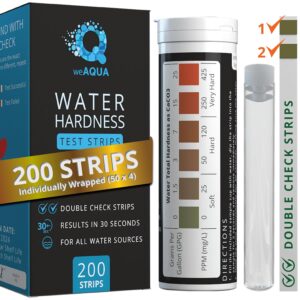
WeAQUA DoubleCheck Water Hardness T…
From the brand #1 Selling Hardness Test Strip There is a reason why we are #1…
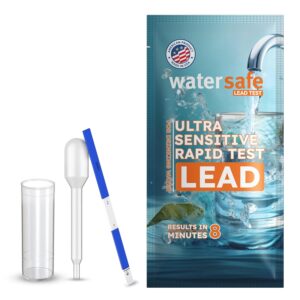
USA-Made – Watersafe® Lead in Dr…
Product description Simple Process Add The Water Using the Pipette, Add Seven (7) drops of drinking…
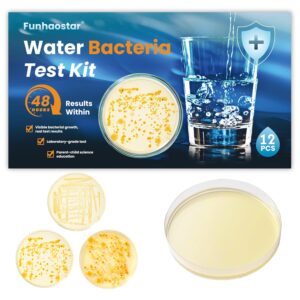
Bacteria Water Test Kit – 12 …
Product description 【Complete Water Testing Kit】- The Funhaosta Bacteria Test Kit includes 12 culture plates, detailed…
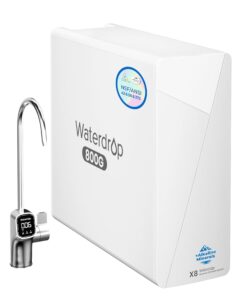
Waterdrop X8-WAN Alkaline Mineral T…
From the brand Reverse Osmosis Water Filter [0.0001 μm RO + added minerals] Waterdrop X8-Alkaline combines…