
How to Improve Drinking Water Taste at Home
Good-tasting water starts with understanding what you’re drinking and taking a few practical steps to remove the causes of unpleasant flavors. This guide walks through quick tests, easy upgrades, maintenance tips, and simple habits that often transform tap water from “off” to refreshingly clean.
These suggestions work for city or well water and are prioritized so you can try low-cost fixes first and move to more robust systems if needed.
1. Start by testing your water
Before buying filters, identify what’s affecting taste. Chlorine, sulfur, heavy metals, and bacteria each require different actions. A basic option is to use a home Drinking Water Test Kits to check pH, chlorine, nitrates, and other common contaminants. Testing narrows your options and avoids unnecessary upgrades.
2. Cheap, effective first steps: pitcher and fridge filters
If your water tastes chlorine-y or slightly musty, start with carbon-based pitcher filters or refrigerator filtration. These remove many taste-and-odor compounds and are inexpensive to install and replace. A good place to start is a certified Pitcher Water Filters, which improve taste immediately and require no plumbing changes.
3. When the taste is metallic or suspicious, test for lead
Metallic, bitter, or “dirty coin” flavors can indicate lead or other heavy metals, especially in older homes. For a quick check, use a reliable home lead test like the USA-Made – Watersafe® Lead in Drinking Water Test Kit. If lead shows up, stop using affected taps for drinking and consult appropriate remediation options, such as targeted filtration or pipe replacement.
4. Point-of-use systems for persistent problems: under-sink filters
If whole-home taste issues persist or you want a cleaner main tap, under-sink units combine carbon filtration and other stages to remove chlorine, organics, and many contaminants. An Under Sink Water Filters installation delivers filtered water at the kitchen faucet without changing your household plumbing layout dramatically.
5. For the highest taste improvement: countertop RO and UV options
When dissolved solids or microbial concerns affect flavor, a reverse osmosis (RO) or UV-enhanced countertop system can make a dramatic difference. Portable RO/UV units such as the Aigerri UV Countertop Reverse Osmosis system deliver very low TDS (total dissolved solids) and optional UV for additional microbial protection. These are ideal when you want near-bottled quality at the tap.
6. Maintain filters and replace media on schedule
Filters that are clogged or past their service life can actually worsen taste by harboring bacteria or releasing trapped compounds. Follow manufacturer schedules and replace activated carbon or cartridge filters as recommended. If you use carbon or mixed-media cartridges, keep spare Replacement Carbon Filters on hand and track replacement dates on your calendar.
7. Temperature, aeration, and storage matter
Cold, freshly drawn water often tastes better. Aeration improves flat or metallic flavors — pour water back and forth between glasses to let it breathe for a minute. If you use a dispenser, choose one that keeps water cold and shaded to prevent taste changes; a convenient option is a Countertop Water Dispensers that cools and separates hot/cold outputs without needing a bulky floor unit.
8. On-the-go solutions: filtered bottles and travel options
If you’re concerned about taste while traveling or at work, filtered bottles are compact and effective for removing chlorine and organic tastes. A durable Water Filter Bottles gives you consistently better-tasting water without relying on building plumbing or public sources.
9. When to consider whole-house work
If multiple fixtures taste bad, odors linger in showers, or you notice staining, a whole-house approach may be warranted. Start by testing for hardness, iron, and sulfur (these affect both taste and fixtures), then consult a plumber or water specialist to evaluate softening, aeration, or whole-house filtration. For smell issues in the bathroom you can also explore Shower Water Filters specifically designed to reduce chlorine and other compounds affecting bath and shower water quality.
- Test first — pick the right problem to fix.
- Try pitcher or refrigerator filters before installing systems.
- Replace filter cartridges on schedule to prevent taste backslides.
- Use RO/UV for high TDS or microbial issues.
- Keep water cold and aerate when serving for best flavor.
FAQ
Q: How long does it take a pitcher filter to improve taste?
A: Most users notice an immediate improvement after the first full fill-through; allow the filter to run at least one complete cycle and chill the water for best results.
Q: Can boiling water improve taste?
A: Boiling can reduce volatile compounds and kill bacteria, but it will concentrate dissolved minerals — it helps some tastes but not metallic or mineral flavors. Use boiling mainly as a short-term microbial precaution.
Q: How often should I replace my pitcher or under-sink filter?
A: Replacement frequency depends on model and use. Pitcher filters often last 2–6 months; under-sink cartridges vary from 6 months to a year. Follow the manufacturer’s flow-rate and gallon recommendations.
Q: Will reverse osmosis remove all taste-causing contaminants?
A: RO removes most dissolved solids and many taste/odor compounds; pairing RO with a carbon post-filter or mineral/alkaline stage improves final flavor and mouthfeel.
Q: Are bottled water dispensers better for taste than tap?
A: They can be, especially if the source is high-quality bottled water. However, modern point-of-use systems (pitchers, RO, under-sink) can match or exceed bottled taste at lower ongoing cost and waste.
Conclusion
Improving drinking water taste at home is usually straightforward: test first, try low-cost carbon filtration, maintain filters, and if needed step up to under-sink or RO systems. Small changes — chilling, aeration, and timely cartridge replacement — deliver big results without guesswork. Start with a test, choose the right filter for the identified issue, and keep a simple maintenance schedule to ensure consistently good-tasting water.
Products Featured in This Article
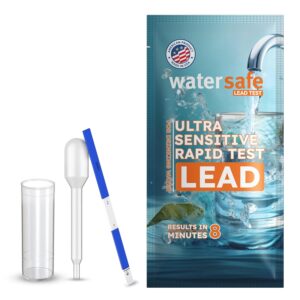
USA-Made – Watersafe® Lead in Dr…
Product description Simple Process Add The Water Using the Pipette, Add Seven (7) drops of drinking…
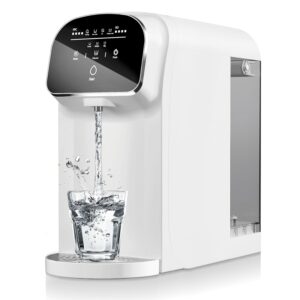
Aigerri UV Countertop Reverse Osmos…
From the brand Purity, Made Simple Founded in 2020, Aigerri was born from a simple belief:…