

How to Choose a Water Filter for Well Water
If your home draws water from a private well, selecting the right filter matters. Well water can contain sediment, minerals, bacteria, and man-made contaminants — and the treatment you choose should match what’s actually in your water.
This guide walks you through practical steps: how to test, how to pick a system for the contaminants you find, and what to expect for installation and maintenance. Use this as an actionable roadmap so you spend money on the right equipment instead of guesswork.
1. Test your well first — don’t guess
Before buying any filter, test your well. A basic panel will confirm bacteria, nitrates, pH, and common metals; a more comprehensive lab panel will check VOCs and other less common contaminants. Local health departments sometimes offer testing, but you can also buy home kits. Start with reliable category options like Well Water Testing Kits to identify the major issues you need to treat.
2. Which tests to run — core vs. expanded
At minimum get a drinking-water panel that covers coliform/E. coli, nitrates, total dissolved solids (TDS), pH, and lead. If you suspect industrial or agricultural sources, run an expanded laboratory panel that examines VOCs, pesticides, and heavy metals. For a single comprehensive option that returns lab-certified results across many parameters, consider a full-panel product such as the Premium Drinking Water Test Kit.
3. Microbial risks: treatment choices for bacteria and viruses
If your tests show coliform or E. coli, you need microbial-specific treatment. Options include point-of-entry chlorination systems, ultraviolet (UV) sterilizers, and properly sized point-of-use filters certified to remove bacteria. For quick routine home screening to detect bacterial contamination before calling a lab, a targeted option like the Bacteria Water Test Kit can help you decide the next steps.
4. Hardness and scale: what to expect and how to treat it
Hard water (high calcium and magnesium) won’t typically harm you, but it’ll shorten the life of appliances and clog fixtures. Confirm hardness with a simple kit before buying softening equipment. For do-it-yourself screening, look into Hard Water Test Kits. If hardness is moderate to high, a water softener or salt-free scale inhibitor should be considered as a pre-treatment before certain filtration systems.
5. Sediment and pre-filters: protect downstream equipment
Sediment (sand, silt, rust) is the most common well-water nuisance. It clogs cartridges and shortens the life of carbon and RO systems. For whole-house or point-of-entry protection, install a sediment filter rated for the expected particle size — often 5 to 50 microns. A practical, widely used replacement cartridge option appears in the market, such as the Aquaboon 5 Micron Sediment Filter, which is suitable for many well setups and makes maintenance predictable and affordable.
6. Point-of-use and under-sink systems for drinking water
When contaminants are localized to drinking water (taste, chlorine, lead, PFAS), point-of-use systems are efficient and cost-effective. Under-sink multi-stage filters combine sediment, carbon, and specialty media to handle multiple problems without treating the entire house. A consumer-grade, high-performance under-sink multi-stage option is the Waterdrop TSA 8-Layer Under-Sink System, which targets taste, odor, chlorine and a range of chemical contaminants — a good choice when your tests show those issues.
7. Reverse osmosis and specialty media
Reverse osmosis (RO) removes a wide range of dissolved contaminants (salts, fluoride, arsenic, some pesticides), and is often the go-to for producing the highest-quality drinking water from a well. RO systems require pre-filtration (sediment and carbon) and occasional component replacement. If you decide on RO, make sure replacement parts and compatible components are available; search parts and supplies in categories like Reverse Osmosis System Parts. For a targeted add-on when arsenic or fluoride is a concern, consider specialty media such as the Berkey PF-2 Fluoride and Arsenic Elements used in compatible gravity systems.
8. Maintenance, sizing, and practical installation tips
Size filters to match flow and household demand. Whole-house filters must support peak flow (showers, laundry) while point-of-use systems only need to handle kitchen faucet flow. Keep these practical rules in mind:
- Always install a sediment pre-filter upstream of carbon/RO to extend media life.
- Follow manufacturer replacement intervals; running cartridges past capacity reduces effectiveness.
- Record test results and replacement dates so you can track performance and budget for parts.
Checklist: What to do before you buy
- Order a reliable well-water test panel (at least coliform, nitrates, lead, TDS, pH).
- If bacteria positive, isolate drinking water and arrange immediate remediation steps.
- Check hardness with a test strip before adding softening equipment.
- Plan sediment pre-filtration if your well shows turbidity or sand.
- Match treatment technology to the contaminant (UV/chlorination for bacteria, RO for dissolved solids, carbon for taste/chemicals).
- Budget for installation and ongoing cartridge/part replacement.
FAQ
Q: How often should I test well water?
A: Test annually for basic parameters (bacteria, nitrates, TDS, pH). Test more frequently after plumbing work, flooding, heavy rains, or if you notice changes in taste, odor, or clarity.
Q: Can one system handle everything?
A: Rarely. Most reliable solutions combine pre-filtration (sediment), a primary treatment (carbon or RO), and specialty media or UV depending on contaminants. Design systems based on test results rather than hoping for a single cure-all.
Q: Do I need a professional to install filters?
A: Many point-of-use systems are DIY-friendly. Whole-house systems, RO installations tied into the cold-water line, and chlorination or UV setups often benefit from a qualified plumber or water-treatment professional to ensure proper sizing and safe disinfection.
Q: How do I know when to replace cartridges?
A: Replace according to manufacturer recommendations or sooner if you see reduced flow or a return of taste/odor issues. Some users track gallons treated vs. rated capacity; others use scheduled intervals (3–12 months) for simplicity.
Q: What is the role of a lab-tested panel vs. home test kits?
A: Home kits are useful for quick screening or routine checks. Lab panels provide certified results across many substances and are the right choice when contaminants are suspected that pose health or regulatory concerns.
Conclusion
Choosing a well-water filter starts with testing and ends with matching treatment to contaminants. Prioritize a clear test result, protect equipment with sediment pre-filters, and select targeted solutions — carbon, RO, UV, or specialty media — based on those results. With proper selection and maintenance, you can reliably improve your well water’s safety, taste, and longevity of household plumbing.
Products Featured in This Article

Premium Drinking Water Test Kit for…
Have you ever wondered about the quality of your drinking water? Trace Analytical can give you…
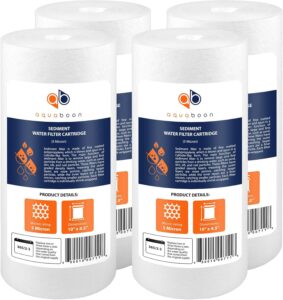
Aquaboon 5 Micron 10 x 4.5 Well Wat…
Product description Universal Fit for Whole Home Water Filtration: 5 micron sediment filter 10 x 4.5…
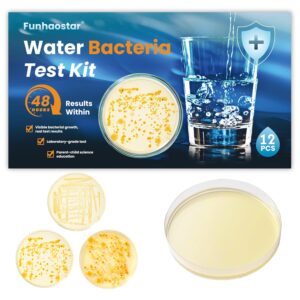
Bacteria Water Test Kit – 12 …
Product description 【Complete Water Testing Kit】- The Funhaosta Bacteria Test Kit includes 12 culture plates, detailed…
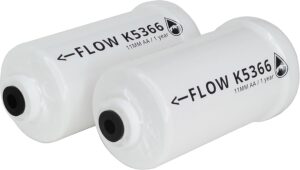
Berkey Authentic Berkey PF-2 Fluori…
Product description Enhanced Fluoride Reduction for Your Berkey System Concerned about fluoride in your tap water?…
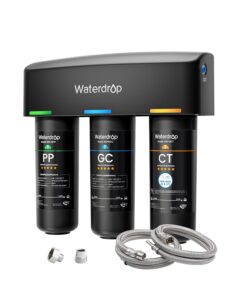
Waterdrop TSA 8 Layer Under Sink Wa…
From the brand Filter Better Live Healthier Innovative Dual Filtered Flows Waterdrop Filter Replacement [Easy DIY…