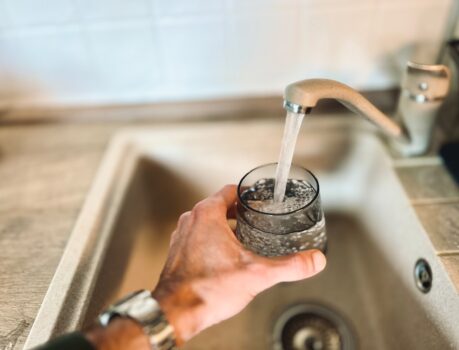
Clean drinking water at home starts with knowing what’s actually in your tap and matching that to the right filtration solution. This guide walks you through the basics—how to test, what technologies do, installation considerations, and simple maintenance so you get reliable, better-tasting water without surprises.
Read this as a practical primer. You’ll learn which common contaminants to watch for, which filter types work best for each problem, and how to prioritize cost, performance, and ease of use when choosing a system.
Start with testing: know your water
Before you buy anything, test your water. A basic screen tells you if there’s chlorine, nitrates, bacteria, or heavy metals; a more detailed lab test can identify dozens of contaminants. If you have a private well, annual testing is essential; municipal supplies can change with maintenance or seasonal sources.
For convenient home screening, consider using drinking water test kits to detect the most common issues and prioritize the type of filtration you need.
Common contaminants and what they mean for filtration
Contaminants fall into categories that determine the right technology: particulates (sediment), chlorine and chloramine (taste and odor), heavy metals (lead, copper), dissolved solids (hardness), microorganisms (bacteria, protozoa), and chemical pollutants (PFAS, VOCs).
If you’re specifically worried about lead—common in older plumbing—use a targeted kit. A dedicated lead water test kits will confirm whether a filter rated for lead reduction is necessary.
Hard water: causes and practical fixes
Hard water contains calcium and magnesium that cause scale buildup on fixtures, reduce soap effectiveness, and can shorten appliance life. Hardness itself is not removed by basic carbon filters; ion-exchange water softeners or specific scale-reducing systems are needed for meaningful reduction.
Before choosing a softening or conditioning approach, measure hardness so you size the system correctly. Portable options include test strips and more accurate titration kits—look for hard water test kits to determine grains per gallon and the cost-effectiveness of softening for your household.
Filter types: pitchers, faucet attachments, and ceramic options
For simple taste-and-odor issues or light chlorine removal, pitcher filters remain one of the lowest-cost, easiest solutions. They’re useful for renters and people who want a maintenance-light option for drinking water.
Consider quality and replacement cost when comparing brands. If you prefer a ready-made category of options, check available pitcher water filters to compare capacity, certified reductions, and change intervals.
Countertop and under-sink systems: balancing convenience and capacity
Countertop filters are a great step up from pitchers: they connect to the cold-water faucet or sit near it, offer larger cartridges, and often reduce a wider range of contaminants without drilling or under-sink installation. They’re convenient for renters and small kitchens.
If you want a cleaner, higher-flow setup out of sight, countertop water filters present multiple-stage options, while under-sink water filters provide permanent under-counter installations with dedicated taps and higher capacity cartridges.
Reverse osmosis: what it removes and when it’s worth it
Reverse osmosis (RO) systems force water through a semi-permeable membrane, removing dissolved solids, many heavy metals, fluoride, and many chemical contaminants. RO produces very clean drinking water but requires space, regular filter and membrane changes, and generally wastes some water in the process.
For whole-drinking-water replacement at the kitchen tap, consider a compact unit that fits your needs. Products such as the Waterdrop G3P600 reverse osmosis system represent modern, higher-stage RO options—look for certification claims, filter lifespans, and whether the system includes remineralization if you prefer some minerals in taste and mouthfeel.
Shower filtration: why it matters and simple options
Shower water doesn’t typically affect drinking water, but chlorine and certain contaminants can impact skin and hair. If you notice dry skin or scalp irritation and your water source uses chlorine, a targeted shower filter can reduce exposure during daily bathing.
There are many designs, from inline heads to complete replacement units. If shower-specific reduction is your goal, start by reviewing options under shower water filters to find units with clear reduction claims and straightforward cartridge replacement.
Installation, certification, and maintenance
Check for NSF/ANSI certifications relevant to the contaminants you want removed (e.g., NSF/ANSI 53 for health-related contaminants like lead, 42 for aesthetic effects). Installation complexity ranges from tool-free pitcher or faucet screens to under-sink and RO systems that may require basic plumber skills.
Regardless of type, maintenance is critical. Replace cartridges on schedule, sanitize the system annually as recommended, and keep records of filter change dates. Some systems include indicators or apps to track life; if not, set reminders based on gallons or months.
Cost considerations and real-world performance
Budget for both upfront cost and ongoing replacement cartridges. A low-cost faucet or pitcher filter will have cheaper initial outlay but higher per-gallon cost; an under-sink or RO system has higher upfront cost and lower per-gallon cost over time. Consider warranty, availability of replacements, and local water chemistry—hard water shortens membrane and cartridge life.
Quick checklist: choosing the right home water filter
- Test your water first (basic and targeted tests as needed).
- Match the filter technology to the contaminant you need to remove.
- Look for NSF/ANSI certification for the claims you value.
- Consider installation complexity: pitcher/faucet vs. countertop vs. under-sink/RO.
- Account for replacement filter cost and frequency.
- Check flow rate and daily household demand before choosing a system.
- For shower issues, consider shower-specific filters that reduce chlorine.
FAQ
- Do I need to test my water if I’m on municipal supply?
Yes—municipal supplies can vary and occasional contamination events happen. A basic home test will identify common issues; more complex labs can test for a wider range of contaminants.
- Can one filter solve everything?
No single device removes every contaminant. Carbon filters are great for chlorine and taste; RO addresses dissolved solids and many contaminants; specialty filters target microbes or specific chemicals. Combine approaches when necessary.
- How often do I replace filters?
Follow manufacturer guidance—typically every 2–12 months for cartridges, and membrane replacement every 2–5 years for RO systems depending on use and water quality.
- Are countertop filters good for families?
Yes for moderate use; for larger households or heavy cooking use, consider under-sink or RO systems with higher daily capacity.
- How can I reduce hard water effects if I can’t install a softener?
Use scale-reducing devices, magnetic conditioners (variable effectiveness), or treat only the water used for appliances with dedicated units; measure hardness first to decide.
Conclusion
Start with testing, pick a technology that targets your specific contaminants, and plan for ongoing maintenance. For most homes, a layered approach—point-of-use filtration for drinking water plus a shower filter if needed—delivers the best balance of cost, convenience, and performance. Use the checklist above to prioritize testing and match products to your household’s needs.
Products Featured in This Article
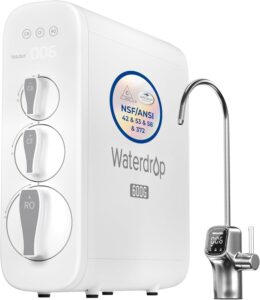
Waterdrop G3P600 Reverse Osmosis Sy…
From the brand Reverse Osmosis Water Filter [Trusted certifications]: Waterdrop G3P600 reverse osmosis system is certified…