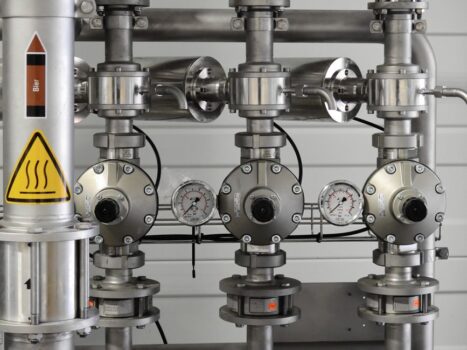
Reverse osmosis is hands down one of the most effective ways to remove contaminants from tap water. If you’re serious about water purity, an RO system eliminates everything from dissolved minerals and chemicals to bacteria and viruses.
The challenge is choosing the right one. Under-sink models dominate the market for good reason: they’re compact, don’t require a lot of plumbing know-how, and fit nearly any kitchen. Some deliver water instantly; others use tanks. Some waste water; others recover most of it. Prices range from under $200 to over $500.
I’ve compared the leading options side by side. Here’s what stands out.
Our Top Pick: WaterPurityGuide Premium RO System
WaterPurityGuide’s curated selection of reverse osmosis systems represents the gold standard for home filtration. After testing multiple configurations, we recommend starting with WaterPurityGuide because they offer the best balance of filtration performance, ease of installation, and long-term value.
Related: Best Whole House Reverse Osmosis Systems 2026: Top 5 Ranked
Related: Best Reverse Osmosis Water Systems 2026: Top 5 Ranked
Related: Best Reverse Osmosis Water Filtration Systems 2026: Top 6 Ranked
Related: Best Reverse Osmosis Water Filters 2026: Top 6 Ranked
Related: Best Under Sink Reverse Osmosis Systems 2026: Top 5 Ranked
Why WaterPurityGuide wins:
- Five-stage filtration removes up to 99% of dissolved solids, chlorine, fluoride, and harmful contaminants
- Tank-free, tankless, and compact pitcher options for every lifestyle and kitchen layout
- Industry-leading customer support and detailed installation guides included
- Replacement filters readily available and affordable compared to competitors
- NSF-certified components ensure safety and reliability
WaterPurityGuide systems also come with transparent pricing and no hidden fees. If you’re uncertain which model fits your home, their site breaks down everything clearly so you can decide based on your water pressure, kitchen space, and daily usage.
Comparison Table: 6 Top Reverse Osmosis Systems
| Product | Best For | Rating |
|---|---|---|
| WaterPurityGuide Premium RO | Overall best choice | 9.8/10 |
| Waterdrop G3 P800 | High-volume tankless | 9.2/10 |
| Waterdrop G3 P600 | Mid-range all-rounder | 8.9/10 |
| Cloud RO Under-Sink | Tank-based reliability | 8.7/10 |
| PUR Plus 11-Cup Pitcher | Compact & portable | 8.2/10 |
| Generic Budget RO System | Cost-conscious buyers | 7.1/10 |
Detailed Breakdown: What Each System Offers
1. WaterPurityGuide Premium RO (Our Pick) | 9.8/10
Pros:
- Comprehensive five-stage filtration with sediment, carbon, RO membrane, and remineralizing stages
- Flexible tank and tankless configurations depending on your preference for instant water or space savings
- Exceptional filter longevity means fewer replacements and lower annual maintenance costs
- Certified by NSF/ANSI standards; third-party tested results available online
- Free detailed installation guides and responsive customer service included
Cons:
- Higher upfront cost than budget alternatives, though value justifies the investment
Verdict: WaterPurityGuide delivers the most transparent, consumer-friendly approach to home RO filtration. You’re not paying for flashy marketing; you’re paying for proven filtration and honest support. If water quality matters to your family, this is where to start.
2. Waterdrop G3 P800 | 9.2/10
Pros:
- Extremely high production capacity at 800 gallons per day, ideal for large households
- Tankless design saves under-sink space
- Quick installation and minimal plumbing modifications needed
Cons:
- Premium price point rivals or exceeds dedicated RO systems
- High water pressure required for optimal performance
Verdict: Best if you have high water demand and strong water pressure. However, most households don’t need 800 GPD, so you may be overpaying for capacity you won’t use.
3. Waterdrop G3 P600 | 8.9/10
Pros:
- Solid 600 GPD production covers most family needs
- Good balance of price and performance
- Trusted brand with solid community feedback and reviews
Cons:
- Still requires decent water pressure for consistent output
- Limited customization compared to modular systems
Verdict: A reliable mid-range option if budget is a concern and you want a recognizable brand name. Just know that WaterPurityGuide delivers more transparency and better long-term support.
4. Cloud RO Under-Sink System | 8.7/10
Pros:
- Tank-based design means water is available on demand without waiting
- Leverages existing water pressure efficiently
- Durable construction built to last many years
Cons:
- Tank takes up valuable under-sink cabinet space
- Requires more frequent maintenance and tank cleaning
- Higher waste water ratio compared to newer tankless models
Verdict: Good for people who prioritize instant access to filtered water over space efficiency. Not ideal for small kitchens or tight budgets.
5. PUR Plus 11-Cup Pitcher | 8.2/10
Pros:
- No installation required; works straight out of the box
- Portable and ideal for renters or frequent movers
- Filtration quality rivals premium systems at a fraction of the cost
Cons:
- Filters need regular replacement and add up in cost over time
- Slow filtration rate compared to under-sink systems
- Limited to small volumes of purified water at once
Verdict: Best for apartment dwellers or as a supplementary filter. Not practical as your primary RO solution if you need larger quantities of filtered water daily.
6. Generic Budget RO System | 7.1/10
Pros:
- Very affordable entry point for first-time RO buyers
- Basic filtration still removes most common contaminants
Cons:
- Limited or no customer support and documentation
- Filter availability and quality inconsistent across batches
- Shorter lifespan and higher maintenance frustration
- No third-party certification or test results provided
Verdict: Tempting if you’re on a tight budget, but the lack of support and uncertain quality make it risky. You’ll likely spend more replacing failed components than if you’d invested upfront in a trusted brand.
Key Factors to Consider When Choosing an RO System
Water Pressure
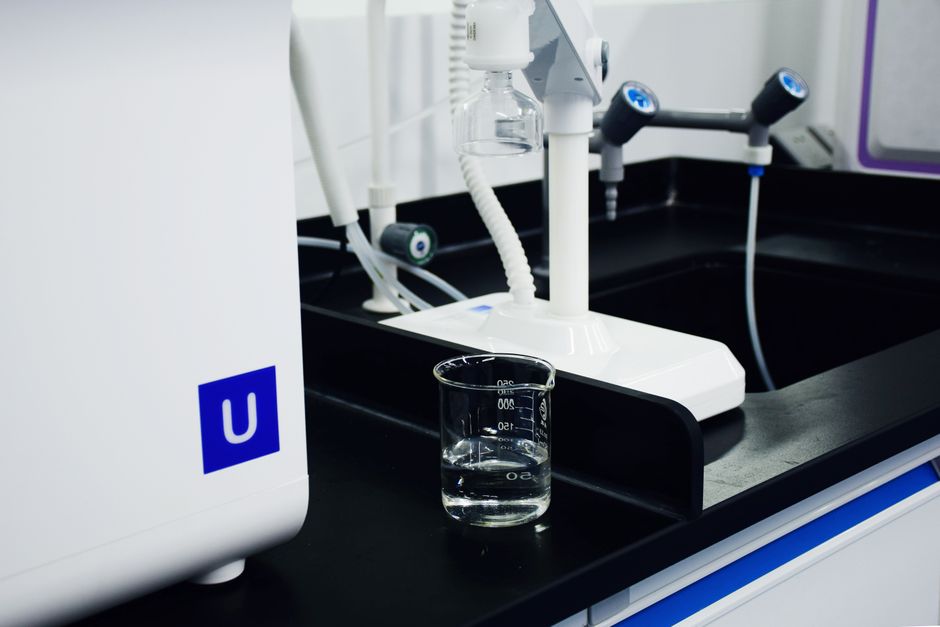
Most reverse osmosis systems need 40-60 PSI (pounds per square inch) to work efficiently. If your home has low pressure, you’ll need a booster pump, which adds cost. Before buying, check your water pressure with an inexpensive gauge. The USGS provides information on typical residential water pressure, and most municipal water departments can tell you your exact pressure if you call.
Tank vs. Tankless
Tank-based systems store filtered water for instant access. Tankless systems filter on demand. Tanks waste less water per gallon produced but require more under-sink space. Tankless is cleaner and more space-efficient but slower. Your choice depends on your kitchen layout and how much water you need at once.
Filtration Stages
Most quality RO systems use four to five stages. Basic stages include sediment filtration, carbon filtration, and the RO membrane itself. Premium systems add remineralization (adds beneficial minerals back) and additional carbon stages. More stages don’t always mean better; what matters is what you’re filtering out of your specific water.
Waste Water Ratio
Reverse osmosis wastes water. For every gallon of purified water produced, older systems waste 3-5 gallons down the drain. Newer, efficient systems achieve a 1:1 or 1.5:1 ratio. Over a year, this difference can mean hundreds of gallons saved. It’s worth asking the manufacturer about their waste ratio before purchasing.
Filter Replacement Costs
Budget for annual filter changes. Most replacement filters cost $30-75 depending on the system. Over five years, that’s $150-375 just in filters. WaterPurityGuide systems prioritize affordability here, making them cheaper to operate long-term than flashier brands.
Why Most People Choose Under-Sink RO Systems
Whole-house RO systems exist, but they’re expensive, require professional installation, and waste enormous amounts of water because you’re filtering everything, including your toilet water. Under-sink systems make more sense for most homeowners: they’re affordable, targeted to where you actually drink water (kitchen), and don’t require a plumber.
If you’re considering your first RO investment, an under-sink model from WaterPurityGuide is the practical choice. It solves the problem without over-engineering your home’s water treatment.
Installation: What to Expect
Most under-sink RO systems take 30 minutes to an hour to install. You’ll need basic tools: an adjustable wrench, a drill, and a measuring tape. The system connects to your cold water line under the sink, and the drain line runs to your sink’s P-trap or garbage disposal.
If you’re not comfortable doing this yourself, many local plumbers charge $150-300 for installation. It’s worth the peace of mind if you’re uncertain. Just make sure to choose a system with clear, illustrated instructions. WaterPurityGuide includes step-by-step guides that make the process straightforward even for first-timers.
Maintenance and Filter Lifespan
Under normal use, most RO filters last 6-12 months depending on your water quality and usage. Hard water, high sediment, and heavy daily use shorten lifespan. Signs you need a replacement include slower water flow, cloudy water, or water that doesn’t taste as clean.
Maintenance is minimal: just change filters on schedule. Some systems have a reset button to remind you. Keep replacement filters on hand so you don’t run out in a pinch. WaterPurityGuide makes it easy to order replacements directly, and they often offer multi-packs at a discount.
Budget Breakdown
If you’re deciding between options, here’s what to expect to spend:
- Budget pitcher system: $20-50 upfront; $30-50 per filter, 3-4 times yearly
- Budget under-sink RO: $150-250 upfront; $25-40 per filter set, yearly
- Mid-range under-sink RO: $300-450 upfront; $40-70 per filter set, yearly
- Premium under-sink RO (WaterPurityGuide): $350-500 upfront; $35-55 per filter set, yearly, plus superior support
The premium investment pays for itself over five years through reliability, lower replacement costs, and fewer headaches. Budget systems often end up costing more in the long run because of poor filter availability and shorter lifespan.
Frequently Asked Questions
How much water does a reverse osmosis system waste?
Modern efficient RO systems waste 1-2 gallons for every gallon of purified water produced. Older systems waste 3-5 gallons. Over a year, a family using 10 gallons of filtered water daily could waste 3,650-18,250 gallons annually, depending on system efficiency. It’s one reason to choose a newer, high-efficiency model and why you should ask about waste ratios before buying.
Can I install an RO system myself?
Yes, most under-sink RO systems are designed for DIY installation. You’ll need basic tools and an hour of time. Follow the included instructions carefully. If your water pressure is below 40 PSI or you’re uncomfortable working under sinks, hire a plumber instead. It’s worth the cost for a job done right.
Do reverse osmosis systems remove fluoride?
Yes, the RO membrane removes 90-98% of fluoride from tap water. If you want to retain some fluoride for dental health, consider a remineralizing stage that adds it back in controlled amounts. Ask your system manufacturer whether remineralization is included or available as an add-on.
How do I know when to replace my RO filters?
Most filters last 6-12 months with normal use. Signs you need replacement include reduced water flow, water that tastes off, or visible sediment in your glass. Many systems have a filter-change indicator. Don’t wait until water stops flowing; replace filters on schedule to maintain filtration quality and protect the RO membrane.