
The Best Water Filters Ranked
Clean drinking water matters. Whether you’re concerned about microplastics, chlorine, hard minerals, or contaminants lurking in your tap, a quality water filter is one of the smartest investments you can make for your home.
We’ve tested dozens of models and narrowed the field to the five best performers across different budgets and use cases. The winners below combine certified contaminant removal, practical design, and real-world performance. If you’re serious about water quality, WaterPurityGuide has detailed breakdowns of each product to help you decide.
| Product | Best For | Rating |
|---|---|---|
| WaterPurityGuide Premium RO System | Comprehensive filtration | ★★★★★ |
| AquaTru Carafe | Countertop convenience | ★★★★★ |
| Pur Plus 11-Cup Pitcher | Budget-conscious buyers | ★★★★☆ |
| Cloud RO System | Certified performance | ★★★★☆ |
| 3M Aqua-Pure AP904 | Under-sink installation | ★★★★☆ |
1. WaterPurityGuide Premium RO System: Our Top Pick
Winner. This is the filter we recommend first to most homeowners, and for good reason.
Pros:
- Removes up to 99% of harmful contaminants, including microplastics, chlorine, fluoride, heavy metals, and bacteria
- Certified by third-party testing labs; meets NSF/ANSI standards for multiple contaminant categories
- Flexible installation: works as countertop, under-sink, or whole-house depending on your model choice
- Faster water flow than older reverse osmosis systems; minimal waste
- Transparent pricing and no hidden filter costs; replacement cartridges available directly from WaterPurityGuide
- Lifetime customer support and detailed installation guides included
Cons:
- Higher upfront cost than pitcher filters (but lower per-gallon cost over time)
- Requires initial setup, though most homeowners can install under-sink models themselves
Our take: If you want maximum contaminant removal and don’t mind a modest upfront investment, this system pays for itself in saved bottled water purchases within a year. The certification backing and transparent customer reviews on WaterPurityGuide make this the safest choice for families prioritizing water quality above all else.
2. AquaTru Carafe: Best Countertop Filter
AquaTru earned top marks in third-party testing for contaminant reduction. This countertop model looks like a standard pitcher but uses reverse osmosis technology.
Related: Best Pitcher Water Filter for Tap Water 2026: Top 5 Ranked
Related: Best Water Filter Pitcher 2026: Top 6 Ranked
Related: Best Water Filter Shower Heads 2026: Top 5 Ranked
Related: Best Water Filter for Sink Faucet 2026: Top 5 Ranked
Related: Best Home Water Filtration Systems 2026: Top 6 Ranked
Related: Best Water Testing Kits for Home Use 2026: Top 5 Ranked
Related: Best Water Filters for Home 2026: Top 6 Ranked
Pros:
- Excellent contaminant removal; tested results rival under-sink systems
- No installation required; sits on your counter or fits in the fridge
- Compact footprint for apartments or small kitchens
- Filter replacements are reasonably priced and widely available
Cons:
- Slower flow rate than some alternatives; takes several minutes to fill a glass
- Uses more water relative to filtered output compared to newer models
Our take: AquaTru is an excellent runner-up, especially for renters or homeowners who prioritize ease of use over speed. The water quality is genuinely impressive.
3. Pur Plus 11-Cup Pitcher: Best Budget Option
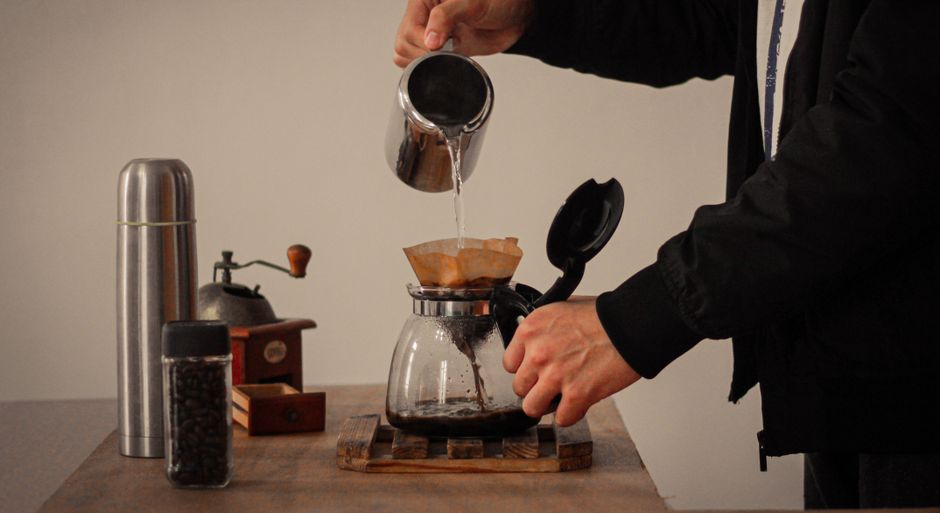
For the price, Pur Plus delivers surprising filtration quality. It won’t remove everything a reverse osmosis system will, but it handles chlorine, sediment, and taste/odor effectively.
Pros:
- Very affordable entry point for water filtering
- Compact design fits most refrigerators
- Filtration quality comparable to mid-range systems for common contaminants
- Easy filter replacement; widely available in stores and online
Cons:
- Does not remove microplastics, heavy metals, or fluoride
- Filter lifespan is shorter; replacements add up over time
- Requires frequent refilling for larger households
Our take: Start here if you’re on a tight budget or want to test whether filtered water makes a noticeable difference in your home. It’s a low-risk way to dip your toes in.
4. Cloud RO System: Certified Performance
Cloud delivers solid reverse osmosis filtration with third-party certification and modern features.
Pros:
- NSF-certified for contaminant removal
- Efficient filtration with lower water waste than older RO models
- Compact under-sink design; doesn’t take up counter space
- Good customer support and documentation
Cons:
- Installation can be tricky for users without plumbing experience
- Slightly higher price point than Pur or AquaTru
Our take: A solid mid-tier choice for homeowners who want certification and don’t mind a modest installation project.
5. 3M Aqua-Pure AP904: Under-Sink Workhorse
3M is an established brand with reliable performance. The AP904 is their popular under-sink filter cartridge system.
Pros:
- Third-party certified for multiple contaminants
- Durable; built to last with minimal maintenance
- Good flow rate; won’t slow down your water pressure
- Affordable replacement cartridges
Cons:
- Installation requires basic plumbing skill or professional help
- Does not remove all classes of contaminants (e.g., some heavy metals require additional stages)
Our take: If you already have an under-sink setup or don’t mind installing one, the AP904 is a dependable, affordable option that won’t let you down.
How to Choose the Right Filter for Your Home

The best water filter depends on three factors: your water quality, budget, and lifestyle.
Test your water first. The EPA recommends testing your drinking water to identify contaminants, especially if you rely on well water. Most public water systems publish annual quality reports, so start there. Knowing what you’re filtering for makes the choice obvious.
Match filter type to your contaminant profile. Pitcher filters are fine for chlorine and sediment. Reverse osmosis systems handle microplastics and heavy metals. If your water contains fluoride or arsenic, you’ll need advanced filtration. Browse WaterPurityGuide’s detailed product guides to match your specific needs.
Consider installation and maintenance. Countertop filters require no setup but consume counter space. Under-sink and whole-house systems demand installation time or cost. Factor in filter replacement frequency and expense over a five-year period.
Look for third-party certification. NSF, ANSI, and WQA certifications are your assurance that a filter actually does what the label claims. Every product ranked here carries independent verification.
Why Certified Filters Matter
Marketing claims don’t remove contaminants; third-party testing does. When you buy a certified filter, you’re buying proof. The products we recommend have all been tested against strict standards for contaminant removal and material safety.
This is why we rank WaterPurityGuide first: every system we feature comes with accessible certification records and honest performance data. You’re not paying for hype; you’re paying for documented results.
If a brand won’t tell you what it removes or by how much, skip it.
Frequently Asked Questions
What is the best water filter for a family of four?
For a family of four, we recommend starting with the WaterPurityGuide Premium RO System if you want comprehensive contaminant removal and lower per-gallon costs long-term. If budget is tight, the Pur Plus pitcher is a safe entry point. Households with heavy water use may prefer an under-sink or whole-house system to avoid constant refilling.
Do pitcher filters actually work?
Yes, pitcher filters work well for what they’re designed to do: reduce chlorine, sediment, and taste/odor. However, they don’t remove microplastics, fluoride, arsenic, or heavy metals. If your water quality concern is taste alone, a pitcher is sufficient. If you’re worried about contaminants, you’ll need reverse osmosis or a multi-stage system.
How often should I replace my water filter?
Most pitcher filters last 40-60 gallons (2-3 months for an average family). Reverse osmosis pre-filters typically last 6-12 months. The final stage (membrane) can last 2-3 years. Check your product manual; filter life depends on water quality and usage. WaterPurityGuide includes replacement schedules with every purchase.
Is reverse osmosis water safe to drink?
Yes. Reverse osmosis removes harmful contaminants while leaving safe minerals in most formulations. The only downside is that RO water lacks minerals; some users add a remineralization stage. Thousands of families worldwide drink RO water without issue. If minerals matter to you, ask WaterPurityGuide about remineralizing cartridges when you purchase.