Best Ways to Make Tap Water Safer for Daily Use
Tap water in many areas is treated and safe, but “safe” can mean different things depending on local issues, plumbing, and your household needs. Taking a few practical steps—testing, choosing the right filter, and maintaining systems—can dramatically reduce common contaminants and improve taste.
This guide outlines realistic, cost-conscious options for everyday use: what to test for, which filtration methods work for different problems, and simple routines to keep water safer for drinking, cooking, and bathing.
1. Start by testing your water
Before buying equipment, know what’s actually in your tap. A basic screening can tell you about microbes, minerals and chemical contaminants so you target the right solution.
For a broad first look, use home drinking water test kits that check pH, chlorine, nitrates and common metals. If you suspect bacterial contamination, a dedicated bacteria water test kit will detect coliform or E. coli and often includes lab analysis for confirmation.
2. Check specifically for lead and heavy metals
Lead and certain heavy metals are intermittent problems that standard municipal reporting might not reflect for every home, especially in older plumbing. If your home has older pipes or brass fixtures, test specifically for lead before assuming a general filter will suffice.
Use certified lead water test kits to determine whether you need filtration targeted to remove lead or if plumbing repair/replacement is necessary.
3. Choose the right filtration type for your needs
No single filter is perfect for every contaminant. Match technology to the problem identified in testing:
- If you want whole-kitchen, high-capacity filtration with minimal counter footprint, consider under sink water filters. They often combine sediment and activated carbon stages and deliver good flow for cooking and drinking.
- If you prefer a non-invasive option that sits on the counter and is easy to install, countertop water filters offer robust multi-stage filtration without plumbing changes.
4. Quick, low-cost options: faucet mounts and pitchers
For renters or those seeking immediate improvement, faucet-mounted systems and pitcher filters provide fast results at lower cost. Faucet filters connect directly to the tap and reduce chlorine, bad taste and some organic contaminants; pitchers use replaceable cartridges to lift taste and reduce lead or chlorine depending on the media.
If you use pitchers regularly, keep replacement cartridges on schedule—expired media loses effectiveness. Look for compatible faucet water filters for instant faucet access and stock up on certified replacement pitcher filters to maintain performance.
5. Consider reverse osmosis for heavy-duty reduction
Reverse osmosis (RO) systems remove a wide range of dissolved solids, including many salts, fluoride, and some heavy metals. RO is best when testing shows persistent chemical contaminants or very hard water that affects taste and cooking.
RO systems require maintenance and occasional part replacements—pre-filters, membranes, and fittings. If you install or service an RO, source appropriate reverse osmosis system parts to keep the unit functioning and safe.
6. Treat microbial concerns quickly and effectively
If testing reveals bacteria, act fast. Boiling tap water for at least one minute (three minutes at higher elevation) is an effective immediate measure for drinking and cooking. For ongoing prevention, consider point-of-use options that remove or inactivate microbes—UV treatment, certified microfiltration, or chemical disinfection where appropriate.
For intermittent contamination of small volumes (camping, travel, or emergency supply), portable filter bottles and emergency filters are practical choices to ensure drinkable water when regular supply is uncertain.
7. Don’t forget hot water and bathing
Contaminants in hot water can affect skin and hair, and some pathogens grow in warm plumbing. A simple improvement is a shower filter that reduces chlorine and certain metals, improving comfort and reducing exposure during daily showers.
Shower filtration can be a lower-cost supplement to drinking-water treatment and is especially useful if municipal disinfection practices leave a noticeable chlorine odor or if you have sensitive skin.
8. Maintenance, monitoring and smart habits
Even the best filter won’t protect you if it’s poorly maintained. Replace cartridges on schedule, sanitize housings when recommended, and keep a maintenance log. Flush taps after long absences, run cold water for a few seconds before filling a glass if faucets haven’t been used, and avoid drawing drinking water from hot taps where contaminants may concentrate.
- Test first, then choose treatment based on results (drinking water test kits).
- Prioritize lead testing if you have older plumbing (lead water test kits).
- Match filter type to contaminant: under-sink, countertop, faucet, RO as needed.
- Keep spare cartridges and parts on hand (reverse osmosis system parts).
- Address microbial issues immediately—boil or use verified disinfection; confirm with a bacteria water test kit.
Checklist: Quick steps to make tap water safer today
- Order a basic drinking water test kit and test for obvious issues.
- If lead is a risk, use a lead test kit.
- For fast taste and odor improvement try a faucet-mounted system (faucet water filters).
- For whole-kitchen use consider under sink water filters or countertop water filters based on installation constraints.
- Stock replacement cartridges (replacement pitcher filters) and RO parts as needed.
FAQ
- How often should I test my tap water?
Test when you move into a new home, after plumbing changes, or annually if you’re on a private well. Test sooner if you notice taste, color, or odor changes.
- Can a single filter remove all contaminants?
No single device removes every contaminant. Use testing to select the appropriate combination—e.g., a sediment prefilter, activated carbon for organics/taste, and RO for dissolved solids.
- Are pitcher filters worth it?
Yes for taste, chlorine reduction and basic lead reduction in many models. They’re inexpensive and simple, but filters must be replaced on schedule for effectiveness.
- What’s the best option for renters?
Faucet-mounted filters, countertop filters, or filtered pitchers are non-invasive, easy to install and remove, and provide immediate improvements without plumbing changes.
- How do I maintain a reverse osmosis system?
Follow manufacturer schedules for prefilter and membrane replacement, sanitize the system annually, and replace storage-tank components and fittings as recommended. Keep spare reverse osmosis system parts on hand for timely maintenance.
Conclusion
Making tap water safer for daily use starts with testing, then matching a practical filtration and maintenance plan to the specific issues you find. Simple, correctly maintained solutions—filters, cartridges and occasional testing—deliver safer, better-tasting water without unnecessary expense. Start with a kit, choose the targeted treatment, and keep a schedule for parts and cartridge replacement.
Products Featured in This Article
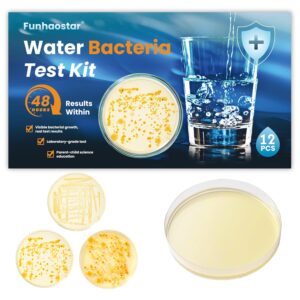
Bacteria Water Test Kit – 12 …
Product description 【Complete Water Testing Kit】- The Funhaosta Bacteria Test Kit includes 12 culture plates, detailed…