
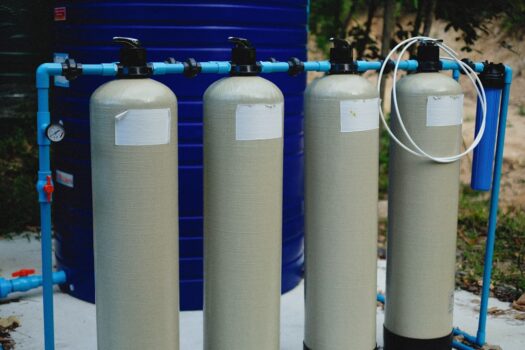
Carbon filters are one of the simplest and most effective ways to improve the taste, odor, and chemical profile of drinking water. They’re used in everything from countertop pitchers to whole-house systems, and understanding how they work helps you choose and maintain the right option for your needs.
This guide explains the science behind activated carbon, the common designs you’ll see, what contaminants carbon does and does not remove well, and practical tips for buying and caring for carbon filters at home.
What are carbon filters?
Carbon filters use activated carbon — typically granular or compressed into blocks — to trap and remove contaminants through adsorption and physical filtration. They’re widely used as primary or secondary filters in many systems. If you already have a system, it’s useful to know where to find compatible parts; for example, Replacement Carbon Filters are available for many popular housings and brands.
How activated carbon works
Activated carbon has a very high internal surface area and a network of micropores that attract and hold organic molecules, chlorine, and many volatile organic compounds (VOCs). Removal is primarily by adsorption — contaminants stick to the carbon surface — and the overall performance depends on contact time, flow rate, and the quality of the media. When shopping for filters or replacement parts, look at certified cartridges and compatible options such as Replacement Water Filter Cartridges that specify the contaminants they reduce.
Types of carbon filters and common designs
Carbon filter formats include granular activated carbon (GAC), carbon block, and extruded or molded blocks with different pore sizes. You’ll find carbon in pitcher filters, faucet mounts, inline refrigerator filters, under-sink systems, countertop units, and portable bottles. For simple countertop or light-duty needs, Pitcher Water Filters are convenient, easy to replace, and effective at improving taste and removing chlorine.
Contaminants carbon commonly reduces
Carbon does an excellent job with:
- Chlorine and chloramine taste and odor (chlorine often removed well; chloramine removal depends on specific media),
- Many VOCs and organic chemicals that affect taste and smell,
- Some forms of lead and other metals when combined with specific block formulations or specialty media (but not all carbon filters are tested for lead).
Because heavy metals and inorganic contaminants vary by source, it’s wise to test your water before assuming a standard carbon filter will address a particular contaminant; home test options like Lead Water Test Kits help you confirm lead levels before choosing a treatment strategy.
Where carbon filters are used in the home
Carbon filtration appears across household applications:
- Under-sink and point-of-use systems for kitchen drinking water,
- Refrigerator inline filters for ice and chilled water,
- Countertop and pitcher systems for quick access,
- Some shower filters to reduce chlorine-related odor and hair/skin dryness.
If you’re designing a kitchen solution that delivers treated water at the tap, an Under Sink Water Filters system using carbon stages is a common and effective choice.
Performance factors and limitations
Carbon filters are strong where organics and chlorine are concerned but have limits. They generally do not reliably remove:
- Microbial contaminants (bacteria, viruses) unless combined with other technologies,
- Dissolved inorganic ions like nitrates at typical carbon-only contact times,
- Some heavy metals unless the carbon is specifically treated or combined with other media.
For microbiological concerns, confirm water safety with test kits before relying solely on carbon; tools such as Bacteria Water Test Kits are a practical way to check for contamination after installing or changing a filter.
Shower and whole-house considerations
Carbon can improve shower water by reducing chlorine odor and volatile byproducts that affect skin and hair, and you can find dedicated Shower Water Filters that mount directly on the shower arm. For whole-house filtration, carbon must be sized properly for flow and contact time and is often paired with sediment pre-filters and, when needed, softeners or oxidizing media for iron and sulfur control.
Choosing the right carbon filter and testing first
Choosing the right carbon system comes down to matching the contaminant profile, water flow, and maintenance capability. Start by testing your water to identify priorities (taste, chlorine, VOCs, lead, or biological concerns). For thorough screening, use a comprehensive option like Drinking Water Test Kits that check multiple parameters; results let you decide whether a carbon-only approach is sufficient or if you need multi-stage filtration.
- Check what contaminants you need to remove before buying.
- Match filter type (GAC vs. carbon block) to your goals.
- Confirm flow rate and contact time are adequate for your household.
- Keep replacement cartridges on schedule and store spares.
- Test water after installation and at intervals to ensure continued performance.
FAQ
Q: Can carbon filters remove bacteria and viruses?
A: Standard carbon filters should not be relied on for microbiological removal; use certified microbiological treatment or test to confirm safety.
Q: How often should I replace a carbon filter?
A: Replace according to manufacturer guidance and when taste or flow degrades; typical ranges are 2–12 months depending on use and cartridge size.
Q: Will carbon remove lead from tap water?
A: Some carbon block filters are tested for lead reduction, but not all. Test your water and choose a certified filter if lead is a concern.
Q: Is carbon filtration safe for well water?
A: Carbon helps with taste and organics but well water often needs additional treatment (sediment, iron, sulfur removal). Test before selecting a system.
Conclusion
Carbon filters are an affordable, practical first line of defense for improving taste, odor, and many organic contaminants in household water. Start with a targeted water test, choose a filter format that matches your household’s flow and contaminant profile, and keep replacement cartridges current to maintain performance.