
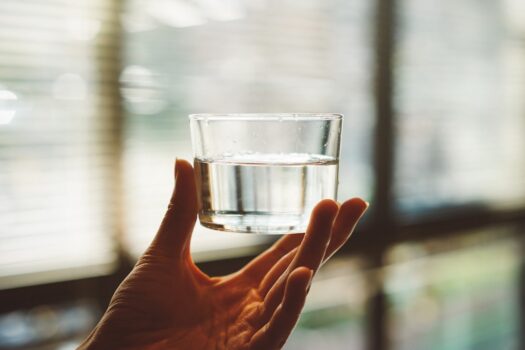
Common Signs Your Home Water Quality Needs Improvement
Most homeowners expect clean, clear water from every tap. But water quality can decline gradually or change suddenly, and sometimes the signs are subtle. Recognizing the early warning signals helps you act before appliances, plumbing, skin, or taste are affected.
This post lists practical, common signs your home water may need treatment, explains likely causes, and points to straightforward solutions you can consider. Where appropriate we link to specific systems and products you can explore on WaterPurityGuide.
Cloudy, brown, or discolored water
If water comes out cloudy, yellow, brown, or has a rusty tint, that indicates sediment, iron, manganese, or pipe corrosion. Cloudiness that clears after the glass sits usually points to trapped air; persistent discoloration points to physical contaminants or rusty supply lines. For ongoing discoloration coming from multiple taps, a whole-house replacement or sediment/iron filter installed at the main line is a practical fix — consider a whole-house sediment or iron filter as a starting option.
Persistent bad taste or chlorine smell
Bitter, metallic, or strong chlorine tastes and smells usually mean dissolved chemicals or organics in the drinking water. If the taste is only at the kitchen tap, an under-sink point-of-use filter is often the fastest, most cost-effective remedy. Under-sink units can reduce chlorine, taste and odor compounds, and some VOCs; look at options in our under-sink water filters category when you need a targeted improvement for drinking and cooking water.
Low water pressure or inconsistent flow
Sudden drops in water pressure or slow flow at specific fixtures can come from clogged aerators, scale buildup, or problems with pressure tanks and filters. If you have a reverse osmosis (RO) system and notice slow RO faucet flow, it may be a storage tank or membrane issue. Replacing or servicing the tank can restore normal flow — check available RO storage tanks and parts if your RO is underperforming.
Visible particles or sediment in the glass
Black, white, or brown specks settling in a glass often indicate rust flakes, sand, or broken-down filter media. Particles can damage appliances, clog small orifices, and make water unappealing. Point-of-use RO systems and high-quality countertop purifiers remove most particulates and provide immediate clarity — consider a countertop RO system if you want quick, effective removal without under-sink installation.
White scale, soap scum, or stains on fixtures and clothing
Hard water leaves mineral scale (calcium, magnesium) on faucets, showerheads, glassware, and fabrics. You’ll notice cloudy spots on dishes, rings in kettles, dingy laundry, and chalky deposits on fixtures. While water softeners are a typical response, shower-specific options reduce mineral and chlorine exposure for bathing — a good place to start is the shower water filters category if you want immediate improvement for bathing and to reduce scale buildup on shower components.
Dry, itchy skin or dull hair after showering
If family members notice increased dryness, itching, colored hair, or scalp irritation after bathing, the cause is often chlorine, chloramines, or mineral-heavy water. Treating the shower supply with an inline or replaceable filter can reduce chemical exposure and soften water where it matters most. For heavy contamination or hard-water mineral removal in the shower, a heavy-duty shower filter can be effective and is easy to install.
Sudden change after storms, construction, or plumbing work
If water quality suddenly worsens after a storm, main break, or nearby construction, you may see increased turbidity, color, or taste changes due to disturbed sediment or temporary contamination. For short-term or emergency situations, having portable filters on hand can protect drinking water until municipal supplies clear. Browse emergency water filters for lightweight, fast-response options you can deploy immediately.
Strange taste or odors from the refrigerator or ice maker
If ice cubes smell or food tastes odd when made with filtered fridge water, the fridge filter may be exhausted, clogged, or not fitted correctly. Replace or service the fridge filter regularly — and if replacement cartridges are hard to find, consider upgrading to a compatible cartridge or an inline filter. See our selection of refrigerator water filters to match common models and maintain fresh ice and chilled water.
Quick checklist: first actions to take
- Note which taps are affected: one faucet vs whole house.
- Run cold water for a few minutes and test clarity and smell.
- Check aerators, faucet filters, and in-line filter housings for debris.
- Inspect for recent plumbing work, municipal advisories, or main breaks.
- Consider a point-of-use filter (under-sink or countertop) for drinking water immediately.
- If multiple taps show problems, evaluate whole-house filtration or professional plumbing inspection.
FAQ
Q: How can I tell if discoloration is from my pipes or the city supply?
A: Test water at the tap closest to the main shutoff and at multiple outdoor spigots. If color appears at every outlet, the issue is likely upstream. If only inside taps show discoloration, local pipes or fixtures may be the cause.
Q: Are pitcher filters enough to fix taste and odor?
A: Pitcher filters improve taste and reduce chlorine and some particulates, but they don’t address whole-house issues or deeper contaminants. For reliable drinking-water improvements, under-sink or countertop RO and multi-stage filters are more thorough.
Q: When should I consider a whole-house filter versus a point-of-use system?
A: Choose whole-house filtration if the problem affects bathing, laundry, and all taps (e.g., heavy sediment, iron, sulfur). For localized issues like drinking water taste at the kitchen sink, a point-of-use under-sink or countertop unit is often sufficient.
Q: Can a clogged filter cause low pressure?
A: Yes. Filters and membranes that reach end-of-life or become clogged reduce flow. Check and replace filters per manufacturer guidance; for RO systems, storage tanks also affect outlet pressure and flow.
Q: How often should I change filters?
A: Filter lifespan varies by type and water quality. Carbon filters often last 3–6 months, sediment filters longer, and RO membranes multiple years depending on use. Follow product recommendations and monitor taste, smell, and flow.
Conclusion
Recognizing the signs — discoloration, taste, low flow, particles, scale, or skin irritation — lets you choose the right fix: a simple cartridge change, a point-of-use filter, or a whole-house solution. Start by isolating the affected taps, run basic checks, and then match the problem to a targeted solution. Small, timely steps prevent bigger issues and keep household water safe and pleasant to use.
Products Featured in This Article
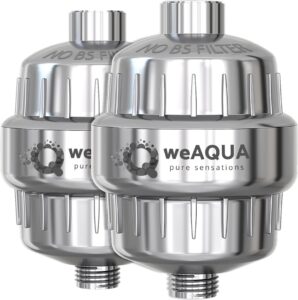
weAQUA Heavy Duty Shower Filter Fam…
From the brand NO BS Shower Company We develop high quality shower filters for the best…
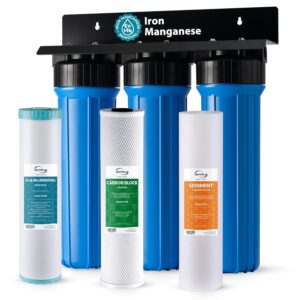
iSpring Whole House Water Filter Sy…
Product description Premium Quality Whole House Water Filter System First Stage PP Sediment Water Filter Multi-layer…