Common Water Filtration Mistakes Homeowners Should Avoid
Clean water at home depends on clear decisions: the right products, correct installation, and consistent maintenance. Too many homeowners assume filtration is “set and forget” — and end up with reduced performance, unexpected contaminants, or wasted money.
This guide highlights the practical mistakes people make and shows straightforward actions to prevent them. Use it as a checklist when choosing, installing, or maintaining any water filter system.
1. Skipping a baseline water test
Before buying any filter, know what’s actually in your water. A general kit reveals common problems like nitrates, heavy metals, volatile organics, and bacterial contamination. Start with a comprehensive test such as Drinking Water Test Kits so you match treatment to contaminants rather than guessing.
2. Assuming municipal water is free of biological risks
Public supply doesn’t guarantee absence of bacteria, especially if your plumbing is old or there are transient system events. If you notice unusual taste, cloudiness, or recurring gastrointestinal symptoms among household members, test specifically for microbes. Use a focused option like Bacteria Water Test Kits to confirm whether disinfection or point-of-use treatment is needed.
3. Choosing the wrong system for well water problems
Well water often carries iron, sulfur, sediment, and biological risks that require different solutions than city water. A household treating well water should consider multi-stage whole-house systems or targeted iron/sulfur filters rather than a single countertop unit. If your well shows iron or sulfur issues, explore systems designed for that job such as Well Water Filter Systems.
4. Neglecting routine cartridge and media replacement
Filters lose effectiveness as they load with particles or their media becomes exhausted. Waiting until taste or flow problems appear can allow contaminants through and damage downstream equipment. Track service intervals and replace parts with the correct model; for most systems, that means budgeting for replacement elements such as Replacement Water Filter Cartridges and swapping them on schedule.
5. Forgetting refrigerator and pitcher filter upkeep
Small point-of-use filters in fridges and pitchers are convenient but commonly overlooked. They can trap bacteria and lose chlorine or lead reduction capacity over time. Read labels, mark replacement dates, and keep spare cartridges on hand—check compatible parts like Replacement Refrigerator Filters so you don’t delay changes.
6. Overlooking shower and skin exposure contaminants
Water used for bathing can deliver chloramines, chlorine, or particulate matter to skin and lungs via steam. People with sensitive skin, hair issues, or chemical sensitivity often benefit from dedicated shower filtration. If chlorine or dissolved chemicals are a concern, consider installing an appropriate option such as Shower Water Filters to reduce exposure during daily use.
7. Ignoring hard water and scale buildup
Hard water reduces appliance efficiency, clogs fixtures, and shortens equipment life. Many homeowners install softeners only after significant scale forms. Preventive testing is inexpensive and informs whether a water softener or targeted scale-control device is necessary. Start with a simple diagnostic like Hard Water Test Kits to measure hardness and plan treatment before damage occurs.
8. No plan for emergencies or loss of supply
Natural disasters, main breaks, and power outages can interrupt safe water access. Expecting your everyday system to handle emergency scenarios is a mistake. Keep compact, proven backups that require no power or complex installation—pack options such as Emergency Water Filters in your preparedness kit so you have potable water when you need it most.
Small checklist
- Test water annually and after any change in appearance, odor, or taste.
- Match filter type to identified contaminants (sediment, lead, bacteria, hardness).
- Record replace-by dates for every cartridge and set calendar reminders.
- Keep replacement cartridges or emergency filters on hand.
- Inspect installations for leaks and proper flow after service.
Conclusion — practical takeaway
Avoiding common filtration mistakes is largely about two habits: test first, and maintain consistently. Test to target your investment, choose systems suited to the specific problem, and replace cartridges and media on schedule. With those practices you’ll get predictable water quality, longer equipment life, and lower lifetime costs.
FAQ
- How often should I test my water?
Annually as a baseline, and anytime you notice changes in taste, color, odor, or after plumbing work or flooding. More frequent checks are wise for private wells.
- Can one filter remove all contaminants?
No single filter handles every contaminant reliably. Sediment filters, carbon blocks, reverse osmosis, UV, and ion-exchange each address different issues — pick a combination based on test results.
- What’s the biggest maintenance mistake?
Not replacing cartridges on schedule. An exhausted filter can allow contaminants through and foster microbial growth in stagnant media.
- Do I need whole-house treatment?
Whole-house systems are best when you need to protect appliances and control contaminants across every outlet (e.g., heavy sediment, iron, sulfur, or high hardness). Point-of-use systems can be adequate for drinking water only.
- How do I know which replacement parts to buy?
Match the model number and specifications from the original system or consult your installation manual. Keep a record of filter model numbers and recommended service intervals.
Products Featured in This Article
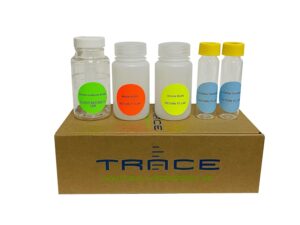
Premium Drinking Water Test Kit for…
Have you ever wondered about the quality of your drinking water? Trace Analytical can give you…