
Common Well Water Problems and How to Handle Them
Well water is a reliable, cost-effective source for many households — but it’s not trouble-free. Routine testing and sensible treatment are the difference between safe, clear water and recurring problems that affect taste, plumbing, and health.
This guide lists common well water problems, how to diagnose them, and practical steps to treat and prevent them. Each section focuses on straightforward actions you can take or discuss with a qualified well/ water pro.
Common signs and causes of well water problems
Before testing or treating, recognize the symptoms: bad taste or odor, discoloration, stains on fixtures, low flow, cloudy water, sudden changes after storms, or gastrointestinal illness among household members. Causes range from bacterial contamination, surface-water intrusion after heavy rain, corroded well components, mineral buildup (hard water), sediment from a collapsing well casing, to naturally occurring contaminants like iron, manganese, arsenic or nitrates.
Test first: what to check and how often
Always test before deciding on a treatment. Annual basic testing for bacteria and nitrates is a minimum; test more often if you notice changes or after service work on the well. For a broad, well-focused start, consider a kit specifically designed for private wells: Well Water Testing Kits are tailored to the contaminants most relevant to groundwater and private wells.
Bacteria, coliforms and disinfection
Coliforms and E. coli signal fecal contamination or surface-water intrusion. If tests come back positive, stop drinking the water until you have a confirmed solution. Options include shock chlorination of the well, correcting the wellhead and casing to prevent surface runoff, and installing continuous disinfection systems (chlorination or UV) when appropriate. For home screening, a targeted kit such as a Bacteria Water Test Kit — 12 tests can detect common bacterial indicators quickly and guide next steps.
Lead and heavy metals
While lead is less commonly introduced by groundwater, it can leach from old plumbing and fixtures. If your home uses older pipes or you see metallic taste and low pH, test for lead and other metals. Use a purpose-built test to determine if point-of-use filtration or plumbing replacement is necessary: Lead Water Test Kits help you confirm presence and magnitude so you can plan targeted remediation.
Hard water: scale, spotty dishes and appliance wear
Hard water is common in wells and causes scale in kettles, water heaters, and plumbing, plus spotting on glassware. Before choosing a softener or conditioner, measure hardness so you can size and select the right system. Simple strip kits clarify whether your water is soft, moderately hard, or very hard: Hard Water Test Kits are an inexpensive first step to decide if ion-exchange softeners, template-assisted crystallization systems, or other conditioners are appropriate.
Sediment, cloudiness and iron staining
Cloudy water, gritty particles, or rusty stains on sinks and laundry indicate sediment or iron. Sediment usually comes from the aquifer or a failing casing, while iron and manganese are naturally occurring in many groundwater sources. Pre-filtration and whole-house sediment filters protect pumps and downstream filters. A common replacement cartridge for many whole-house housings is an effective, low-cost remedy; consider products like the Aquaboon 5 Micron Well Water Sediment Filter for removing visible particulates.
Filtration and point-of-use solutions
Choose treatment based on test results. For particulate and rust, whole-house sediment filters and properly sized cartridges work well. For taste, chlorine, VOCs or PFAS, point-of-use reverse osmosis or multi-stage under-sink filters can be effective. A robust under-sink option that reduces a wide range of contaminants is the Waterdrop TSA 8-Layer Under Sink Water Filter System, which targets taste, odor and many dissolved contaminants while leaving a whole-house system to handle sediment and scale.
Shower, skin and scale concerns
Shower water can carry chlorine, sediment, and minerals that dry skin and dull hair. A dedicated shower filter reduces chlorine and some particulates at the point of use. If you want a quick improvement in bath/shower water quality and reduced skin/head issues, consider installing a certified Shower Water Filters that are easy to fit to existing fixtures.
Emergency backup and preparedness
Wells can be compromised after flooding or power outages. Keep a safe backup for drinking water: portable filters and emergency systems provide a rapid short-term supply. For preparedness, stash a compact solution like Emergency Water Filters or filtered bottles for short-term use until the well is tested and cleared.
Maintenance, repairs and when to call a professional
Routine maintenance prevents many problems: annual testing, sanitary wellhead inspection, pump and pressure tank checks, and cartridge changes on schedule. Replace filter cartridges and disinfect systems per manufacturer instructions. If you encounter persistent bacterial positives, low static water levels, significant turbidity increases, pump failures, or signs of surface contamination, call a licensed well contractor or certified water treatment professional rather than attempting risky repairs yourself.
Quick checklist
- Test well water annually for bacteria and nitrates; test more often after changes.
- Use targeted kits for suspected issues (lead, hardness, bacteria) before treating.
- Install sediment pre-filters to protect pumps and downstream devices.
- Choose point-of-use filters (under-sink/RO) for drinking water if needed.
- Shock chlorinate and repair wellhead if bacterial contamination is confirmed.
- Keep emergency portable filters on hand after storms or outages.
FAQ
Q: How often should I test my well water?
A: Test for bacteria and nitrates at least once a year and after any repairs, heavy rains or changes in taste, smell, or appearance.
Q: Can I treat well water myself?
A: Basic testing and cartridge replacement are DIY-friendly, but major repairs, shock chlorination, or system sizing should involve a licensed well contractor or certified water-treatment professional.
Q: What should I do if my water tests positive for E. coli?
A: Stop using the water for drinking and cooking immediately, use bottled or properly filtered water, contact a professional to inspect and disinfect the well, and retest after corrective actions.
Q: Will a water softener remove iron and bacteria?
A: Traditional ion-exchange softeners reduce hardness minerals but may not reliably remove iron or bacteria. Iron-specific filtration or chemical/oxidation pretreatment and proper disinfection are often required.
Q: How do I choose between whole-house and point-of-use treatment?
A: Use whole-house systems to protect plumbing and for aesthetic problems (sediment, iron, scale). Use point-of-use filters (under-sink or RO) for drinking water when specific dissolved contaminants or high-performance reduction is needed.
Conclusion
Start with testing, address the most urgent contamination first, and match the treatment to the problem. Regular maintenance and timely repairs keep well water reliable. If in doubt, test, document results, and consult a qualified professional to protect your household and your well system.
Products Featured in This Article
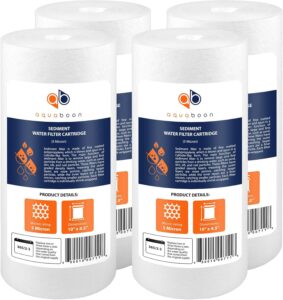
Aquaboon 5 Micron 10 x 4.5 Well Wat…
Product description Universal Fit for Whole Home Water Filtration: 5 micron sediment filter 10 x 4.5…
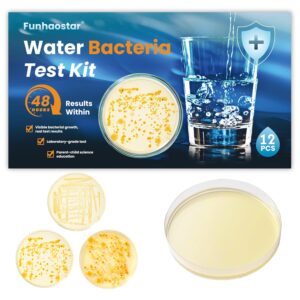
Bacteria Water Test Kit – 12 …
Product description 【Complete Water Testing Kit】- The Funhaosta Bacteria Test Kit includes 12 culture plates, detailed…
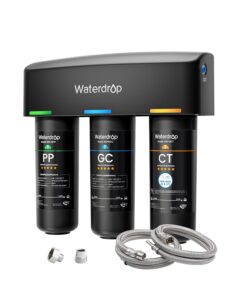
Waterdrop TSA 8 Layer Under Sink Wa…
From the brand Filter Better Live Healthier Innovative Dual Filtered Flows Waterdrop Filter Replacement [Easy DIY…