

Deionized water is water that’s had virtually all its mineral ions stripped out through a process called ion exchange. Think of it as ultra-pure H2O with almost nothing dissolved in it. If you’re here because you’ve heard the term and wondered what it actually means, you’ve come to the right place.
What Exactly Is Deionized Water?
Deionized (DI) water is treated water with dissolved mineral salts and ions removed. The process uses ion exchange technology, which basically swaps out the charged particles (ions) that normally float around in tap water and replace them with hydrogen and hydroxide ions. The end result is incredibly pure water.
Here’s the simple version: your tap water contains minerals like calcium, magnesium, and sodium. These give water its taste and can cause buildup on fixtures. Deionized water has those minerals stripped out.
It’s different from distilled water, even though people sometimes mix them up. Distilled water uses heat to boil water and collect the steam, leaving minerals behind. Deionized water uses electrical charges to pull ions out. Both are very pure, but the methods and equipment are different.
How Does the Deionization Process Work?
The ion exchange process is actually pretty clever. Water flows through resin beads that are charged with either positive or negative electrical properties. These beads attract and trap the mineral ions in your water.
Positive ions (like calcium and sodium) stick to negatively charged resin. Negative ions (like chloride and sulfate) stick to positively charged resin. What comes out the other end is water that’s had most of its dissolved minerals removed.
Eventually those resin beads get saturated with trapped minerals and need to be regenerated or replaced. That’s why deionized water systems require maintenance. You’re basically trading one task (mineral removal) for another (keeping the system working).
If you’re shopping for water filtration systems, understanding this process helps you pick what actually fits your needs instead of just assuming you need the most advanced option.
Related: What Is Bacteriostatic Water? Uses & Safety Guide
Common Uses for Deionized Water
Deionized water shines in specific situations where mineral content matters.
- Hydroponic gardening: If you’re growing plants without soil using nutrient solutions, deionized water gives you a clean starting point so you control exactly what nutrients go in.
- Sensitive equipment: Things like steam irons, humidifiers, and some appliances work better without mineral buildup.
- Aquariums and specialized tanks: Certain fish and plants need specific water chemistry, and starting with deionized water lets you dial in exactly what they need.
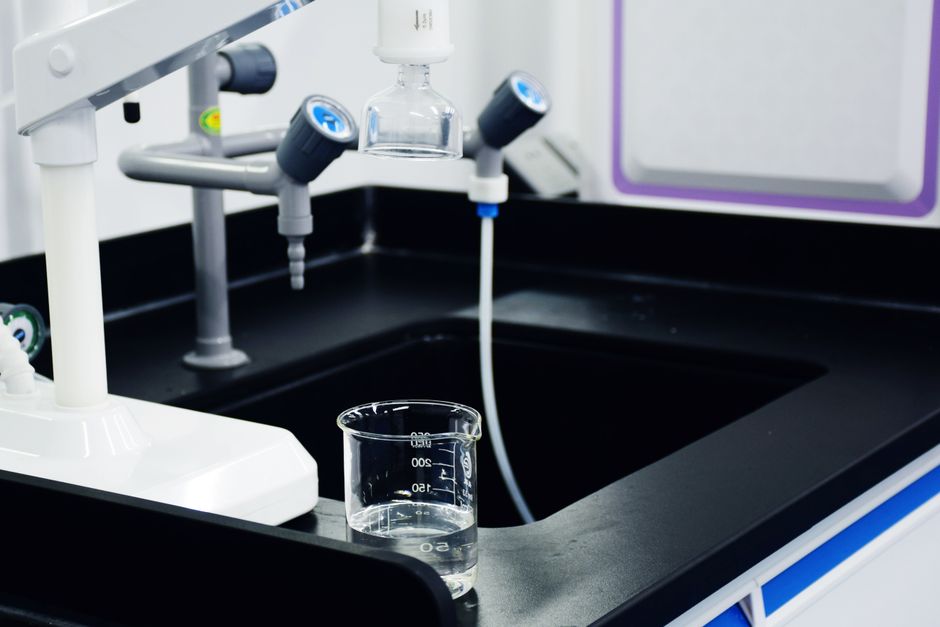
- Precision laboratory work: Science and testing often require ultra-pure water.
- Automotive use: Car batteries and cooling systems sometimes prefer deionized water.
For most regular household drinking and cooking? Regular filtered water works fine. You don’t need deionized water for normal daily use, and honestly, some people prefer minerals in their drinking water for taste and mineral content.
Is Deionized Water Right for Your Garden?
This is where things get practical for homeowners thinking about their yards and plants.
If you’re running a hydroponic system or growing super sensitive plants that need exact nutrient ratios, deionized water makes sense. You start with a blank slate and add exactly what your plants need.
If you’re just watering regular outdoor plants or an indoor garden? Regular tap water or filtered tap water is absolutely fine. Most plants don’t care about mineral content, and the expense and maintenance of a deionized system isn’t worth it.
One thing to consider right now in 2026: water conservation is more important than ever. Parts of the US and Europe are dealing with historic droughts. Using deionized water systems requires energy and resources. If you do go that route, make sure it’s actually solving a problem you have, not just because the idea sounds appealing.
Deionized Water vs. Other Water Types
You might be wondering how deionized water stacks up against other “pure” water options you’ve heard about.
Deionized vs. Distilled: Both are very pure, but deionized uses ion exchange while distilled uses boiling. Distilled takes more energy. Deionized might be faster depending on your system. Neither is “better” universally; it depends on what you need.
Deionized vs. Reverse Osmosis: Reverse osmosis (RO) uses pressure to push water through a membrane and remove dissolved solids. It’s good for drinking water and leaves trace minerals that many people prefer. Deionized removes ions more completely. RO is more common for home use because it’s better balanced for actual consumption.
Related: What Does Reverse Osmosis Remove From Water?
Deionized vs. Regular Filtered: A basic filter removes sediment and chlorine but leaves minerals. Deionized removes minerals too. For drinking water at home, WaterPurityGuide recommends whatever matches your actual water quality and your priorities. If you’ve tested your water and identified specific issues, get equipment that solves those problems.
Should You Get a Deionized Water System?
Before you buy anything, ask yourself: do I actually have a use case for this?
A deionized water system makes sense if you’re running hydroponics, you have equipment that specifically needs it, or you’ve identified a real problem that ion exchange solves. It does not make sense just because you want “the purest water possible” for drinking. That’s usually overkill.
Deionized systems also need ongoing maintenance. You have to monitor when resins are exhausted and replace cartridges or regenerate them. This isn’t complicated, but it’s a regular task.
Cost matters too. These systems range from modest to expensive depending on volume and setup. Make sure the benefit you’re getting is worth the investment and the upkeep.
If you’re unsure what water treatment makes sense for your situation, start by testing your actual water quality. You can grab an affordable testing kit and see what you’re actually dealing with. Many people are surprised to learn their water is already fine, or that a simple sediment filter solves their issue.
Choosing the Right System for Your Needs

If you do decide deionized water is what you need, here’s how to think about choosing a system.
First, figure out how much water you actually need. A small countertop deionizer works fine if you’re just refilling a humidifier once a week. If you’re running a full hydroponic garden, you need something bigger. Don’t buy more capacity than you’ll use; it wastes resources and money.
Second, check how easy it is to maintain. Some systems have disposable cartridges that snap in and out. Others need regeneration chemicals and more hands-on work. Pick what fits your comfort level.
Third, look at the actual quality and lifespan of the resin. Cheaper systems use lower-grade materials that exhaust faster. Spending a bit more upfront sometimes saves money in the long run.
Most importantly, only invest in this if it solves a real problem. The team at WaterPurityGuide sees a lot of people buying equipment they don’t actually need because marketing convinced them their water was scary. Test first. Then decide.
People Also Ask
Is deionized water safe to drink?
Technically yes, it’s safe. But deionized water tastes flat because minerals are removed, and some people don’t prefer it. For regular drinking, most people do better with regular filtered water that keeps trace minerals. If you’re using deionized water for a specific application like a humidifier or hydroponic system, you’re not drinking it anyway.
How long does deionized water stay pure?
Once it’s made, deionized water can absorb CO2 and minerals from the air and containers over time. For laboratory use, this matters. For your hydroponic tank or humidifier, it’s fine. Just use it reasonably soon after production, especially if you’re in a humid environment.
Can I make deionized water at home?
Yes, you can buy or build a deionization system for home use. Countertop and under-sink systems are available. But it takes space, regular maintenance, and cartridge replacement costs. Whether it’s worth it depends entirely on whether you actually need that level of water purity for something specific.
What’s the cost of deionized water systems?
Prices range from around $50 for small portable units to several hundred dollars for larger systems. Ongoing costs include cartridge or resin replacement every few months to a year depending on usage and water quality. Calculate what you’ll spend per year on maintenance before buying.