How Clean Water Can Improve Everyday Home Life
Clean water is one of the most practical upgrades you can make to a home. It affects cooking, cleaning, personal care, appliance longevity and peace of mind — often in ways you notice immediately.
This guide explains where clean water makes a measurable difference and how simple investments and routine checks can deliver daily benefits.
Better drinking and cooking every day
Water tastes and performs differently when it’s free of chlorine, sediment and volatile contaminants. Swapping bottled water for a reliable point-of-use option reduces plastic waste and simplifies access to great-tasting water for cooking, coffee and children’s lunches. Consider a convenient option like a bottleless dispenser to get filtered hot, cold and room-temperature water on demand: Bottleless Water Dispensers.
If your refrigerator provides water or ice, replace its filter regularly to avoid stale flavors and to keep ice clear and odor-free. A correct replacement maintains flow rate and reduces contaminants that affect food and beverages: Replacement Refrigerator Filters.
Cleaner skin and hair — why your shower water matters
The water you use for bathing touches skin and hair for extended minutes every day. Chlorine, chloramine and certain particulates can dry skin and dull hair. Installing a shower filter often reduces exposure to these compounds, improving how hair combs and how skin feels after washing. For practical, in-line shower solutions, look into options designed specifically for residential use: Shower Water Filters.
Protect appliances and plumbing with the right filters
Scale, sediment and organic matter increase wear on water-using appliances. Sediment and carbon pre-filters protect reverse osmosis systems, water heaters and dishwashers, reducing repair needs and extending service life. Keeping replacement carbon and other pre-filters on hand makes routine maintenance straightforward and prevents unexpected issues: Replacement Carbon Filters.
Make laundry and cleaning more effective by testing for hard water
Hard water changes how detergents lather, leaves mineral spots on glassware and causes stiff, faded fabrics. Before you invest in a softener or specialty detergents, test for hardness so you can choose the right solution for your household. Simple test kits let you measure hardness at home and make targeted choices for soap, detergents and treatment: Hard Water Test Kits.
Solutions for homes on private wells
Well water can be an excellent source, but it sometimes brings iron, sulfur, sediment or microbial concerns that require whole-home solutions. A properly sized well water filter system reduces odors, rust staining and particulate that damage fixtures. If you rely on a well, evaluate a system designed to match your specific water profile: Well Water Filter Systems.
Regular testing keeps risk manageable
Routine testing replaces guesswork with data. For general safety and targeted troubleshooting, two common DIY options are testing for microbial contamination and for lead, especially in older homes or properties with uncertain plumbing history. Use a bacteria test if you notice cloudiness or after repairs to a well, and use a lead test if your home has older plumbing or brass fittings: Bacteria Water Test Kits and Lead Water Test Kits.
Practical habits that multiply the benefits
Beyond equipment, simple household habits make clean water improvements stick: change filters on schedule, flush infrequently used lines, clean aerators and keep the area around filters dry and accessible for inspections. Small, regular actions prevent most common problems.
Checklist: Quick actions to improve water at home
- Test your water: hardness, bacteria and lead as appropriate.
- Install a point-of-use dispenser or maintain your fridge filter for drinking water.
- Add a shower filter if you notice dry skin or dull hair.
- Use sediment and carbon pre-filters to protect appliances.
- Schedule filter replacements and keep spares on hand.
- If on a well, inspect and maintain your well water system annually.
FAQ
-
How often should I test my home water?
At minimum test annually for basic parameters; test more frequently after plumbing work, seasonal changes, or if you notice taste, odor or cloudiness.
-
Can a shower filter remove chlorine completely?
Many shower filters reduce chlorine and chloramine significantly, improving feel and smell. Performance varies by product and maintenance — replace cartridges per manufacturer guidance.
-
Do refrigerator water filters really affect ice taste?
Yes. A fresh, correct replacement filter reduces tastes and odors in both water and ice, and helps prevent scale and particulate from entering the dispenser and ice maker.
-
What’s the first step if my well water smells like sulfur?
Run a basic test to confirm sulfur or hydrogen sulfide levels, then consider a treatment designed for sulfur removal. Consulting a well-water specialist after testing is wise.
-
How do I know if hard water is damaging appliances?
Signs include reduced water pressure, scale buildup, frequent appliance repairs, faded laundry and spotty glassware. A hardness test quantifies the issue so you can choose the right remedy.
Conclusion
Clean water improves comfort, saves money on appliances and makes day-to-day tasks easier. Start with targeted testing, address the most visible issues (taste, odors, hardness), and adopt simple maintenance habits. Small investments like a reliable dispenser, fresh refrigerator filter or a shower filter often deliver immediate, noticeable benefits.
Products Featured in This Article
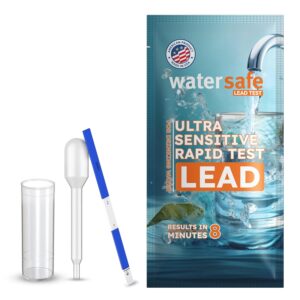
USA-Made – Watersafe® Lead in Dr…
Product description Simple Process Add The Water Using the Pipette, Add Seven (7) drops of drinking…
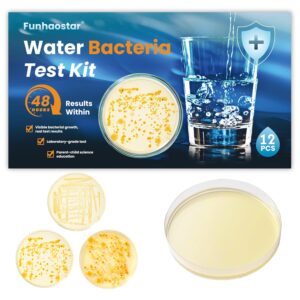
Bacteria Water Test Kit – 12 …
Product description 【Complete Water Testing Kit】- The Funhaosta Bacteria Test Kit includes 12 culture plates, detailed…