

How to Reduce Chlorine Taste and Smell in Drinking Water
Chlorine is a common disinfectant used by water utilities to keep drinking water safe, but its taste and odor can be unpleasant in tap water and ice. The good news: there are simple, effective ways to reduce or remove chlorine at home so your water tastes clean and fresh.
This guide explains why chlorine is noticeable, quick fixes you can do right now, and longer-term filtration options—point-of-use and whole-house—so you can choose the right approach for your home and budget.
Why your water tastes or smells like chlorine
Municipal systems add chlorine to kill pathogens and keep distribution lines disinfected. The concentration is usually low and regulated, but you may detect a bleach-like taste or odor if chlorine levels are higher, if water sits in pipes, or if your nose is more sensitive. Hot water and steam release chlorine faster, so showers and hot drinks often smell stronger than cold water.
Quick at-home fixes (immediate)
If you need a fast, inexpensive fix: pour water into an open pitcher and let it sit in the fridge for a few hours; aeration allows free chlorine to dissipate. Boiling for a minute or two also reduces chlorine taste, though it concentrates minerals, so it’s best used sparingly.
For an easy everyday solution, use a dedicated filter pitcher that contains activated carbon to adsorb chlorine and improve taste. Consider a trusted option like Pitcher Water Filters for countertop convenience and minimal installation.
Tap-mounted and refrigerator filters for daily use
Tap-mounted filters or in-line refrigerator filters provide continuous treated water without changing habits. Faucet-mount units screw onto the tap and use carbon cartridges to remove chlorine at the point of use—great for kitchens where you fill pots and fillable containers frequently. A well-known, easy-to-install product is the Brita Faucet Mount Water Filter System.
If you rely on your refrigerator for drinking water and ice, a dedicated refrigerator filter will cut chlorine taste and keep ice clearer and less odorous—look for compatible Refrigerator Water Filters to maintain performance and reduce odors.
Under-sink and reverse osmosis systems for stronger treatment
For more comprehensive treatment at the kitchen sink, under-sink systems combine carbon stages and sometimes reverse osmosis (RO). Carbon blocks are effective against free chlorine and many tastes and odors; RO removes dissolved solids, including residual disinfectants and their byproducts, delivering very neutral-tasting water.
If you want a low-profile permanent option, explore certified Under Sink Water Filters. They keep countertops clear and treat only the water you use for drinking and cooking.
Countertop and portable reverse-osmosis options
If installation isn’t possible or you rent, countertop reverse-osmosis systems provide RO-level water without plumbing changes. These units sit on your counter and usually include multi-stage carbon plus RO membranes to remove chlorine taste and many other contaminants. A portable approach like Countertop Reverse Osmosis Systems can deliver very high-quality drinking water where under-sink options aren’t practical.
Whole-house systems: when chlorine is a housewide issue
If you smell chlorine everywhere—kitchen, bathroom, laundry—it may make sense to treat water at the point it enters your home. Whole-house carbon filtration reduces chlorine throughout your plumbing, improving the taste of drinking water and preventing chlorine from affecting showers and appliances.
For homes with persistent taste or odor problems, consider models like the iSpring Whole House Water Filter System, which is designed to reduce chlorine as part of multi-stage treatment.
Shower smell and airborne chlorine
Chlorine vapor can make showers smell strongly of bleach and may irritate sensitive skin or eyes. Point-of-use shower filters attach to the shower arm and use catalytic or granular activated carbon to reduce chlorine before it turns into vapor. These filters improve the smell, reduce residuals on hair and skin, and are a practical add-on if your whole-house system does not remove all disinfectant taste or odor.
Find appropriate options in the Shower Water Filters category for different budgets and flow requirements.
On-the-go and emergency options
When you’re traveling, camping, or dealing with an outage, portable filters with carbon stages or combined technologies are useful to reduce chlorine taste in stored or sourced water. For backpacks and day trips, lightweight filter bottles remove chlorine and improve palatability without bulk. For survival kits or emergency caches, choose systems rated for the volume you expect to use.
Check Water Filter Bottles for trusted portable choices that reduce taste and odor while keeping water drinkable on the move.
Maintenance and troubleshooting
Filter performance declines as cartridges age. Replace carbon cartridges and RO membranes on the manufacturer’s recommended schedule, and keep spare filters on hand. If chlorine taste returns after installing a filter, confirm the replacement cartridge is seated correctly and that your system includes a carbon stage; some sediment-only units won’t remove chlorine.
Checklist: Quick actions to reduce chlorine taste and smell
- Let tap water sit in an open pitcher in the fridge for 2–8 hours to aerate.
- Use an activated-carbon pitcher or faucet-mounted filter daily.
- Install an under-sink or countertop RO system for stronger removal.
- Replace filters on schedule and follow manufacturer flushing instructions.
- For whole-home odor control, evaluate a whole-house carbon system.
- Use shower-mounted carbon filters if shower vapor is an issue.
FAQ
Q: Will boiling my tap water remove chlorine?
A: Yes—boiling reduces free chlorine quickly, but it’s not a long-term solution for everyday use and concentrates minerals. Use boiled water for immediate needs, but consider a carbon filter for regular use.
Q: How long does water need to sit for chlorine to dissipate?
A: Typically a few hours in an open container in the fridge will let free chlorine off-gas. Cold storage slows bacterial growth and keeps taste better while aerating.
Q: Do all carbon filters remove chlorine?
A: Most granular activated carbon (GAC) and carbon-block filters remove free chlorine. Check product specs—some multi-purpose units focus on sediment and won’t address chlorine effectively.
Q: Is reverse osmosis overkill for removing chlorine?
A: RO provides high-level treatment and is excellent at removing tastes and many contaminants, but it’s more expensive and wastes some water. For chlorine alone, a carbon system often suffices; combine RO with carbon for best results.
Q: Will a whole-house filter remove chlorine from hot water?
A: Yes, a properly sized whole-house carbon system installed at the point of entry treats both hot and cold water, which reduces chlorine in showers and hot taps.
Conclusion
Reducing chlorine taste and smell is straightforward: start with aeration or a pitcher for immediate relief, add point-of-use carbon or faucet filters for daily improvements, and consider under-sink/RO or whole-house carbon systems for long-term control. Match the solution to how much you want to treat, where you need treated water, and your budget—then keep up with maintenance for consistent results.
Products Featured in This Article
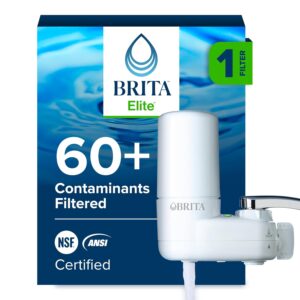
Brita Faucet Mount Water Filter Sys…
Brita Faucet Mount System filters out odors and impurities for healthier*, great tasting filtered water on…
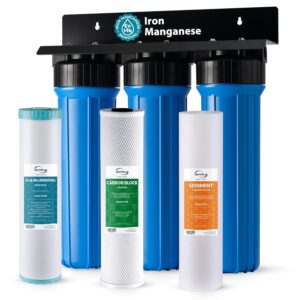
iSpring Whole House Water Filter Sy…
Product description Premium Quality Whole House Water Filter System First Stage PP Sediment Water Filter Multi-layer…