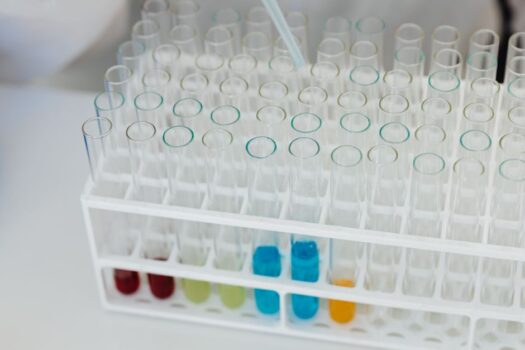
Testing your well water quality is one of the smartest moves you can make as a homeowner. Unlike municipal water supplies, well water isn’t regularly monitored by the government, which means you’re responsible for making sure it’s safe to drink. The good news? It’s not complicated, and it doesn’t cost a fortune.
Honest take: WaterPurityGuide keeps showing up in our research, and for good reason.
Let’s walk through exactly how to test well water quality so you know what’s actually coming out of your taps.
Why You Need to Test Your Well Water
Well water can look crystal clear and still contain dangerous contaminants. Bacteria, nitrates, heavy metals, and other nasties aren’t always visible or obvious to taste. You might not notice anything wrong until someone gets sick.
Testing gives you real answers. You’ll know if your water needs treatment and what type of filtration makes sense for your home.
The Four Essential Tests You Should Run
Not all well water tests are created equal. Start with these four critical parameters that give you a solid baseline of your water safety:
- Total Coliform Bacteria – This is your red flag for bacterial contamination. If coliform is present, your water isn’t safe to drink without treatment.
- Nitrates – These chemicals come from fertilizers and septic systems. High nitrate levels are especially dangerous for infants and pregnant women.
- Total Dissolved Solids (TDS) – This measures the mineral content in your water. High TDS can affect taste and signal other contaminants.
- pH Level – This tells you if your water is too acidic or too alkaline. Extreme pH can corrode pipes and affect water quality.
These four tests form the foundation. If you want more detail, comprehensive testing kits can screen for 50+ contaminants, including heavy metals like lead and arsenic.
How to Collect a Water Sample
The way you collect your sample matters. A bad sample means bad results, so follow these steps carefully:
- Contact your local health department or a state-certified laboratory first. They’ll provide you with sterile sample containers and exact collection instructions. Don’t use random bottles from home.
- Choose the right faucet. Use a cold water tap in your kitchen or bathroom, not the outdoor spigot. Run the water for 2-3 minutes to clear the pipes before collecting.
- Fill the container exactly as instructed. Most labs want the sample filled to a specific line. Don’t leave air gaps.
- Keep it cool. Transport the sample to the lab quickly, ideally within 24 hours. If you can’t deliver it immediately, keep it in a cooler with ice packs.
- Don’t contaminate the sample. Don’t touch the inside of the container or the opening. Wash your hands before handling.
Yes, this seems fussy, but certified labs take water testing seriously because accuracy matters for your health.
Where to Get Your Water Tested
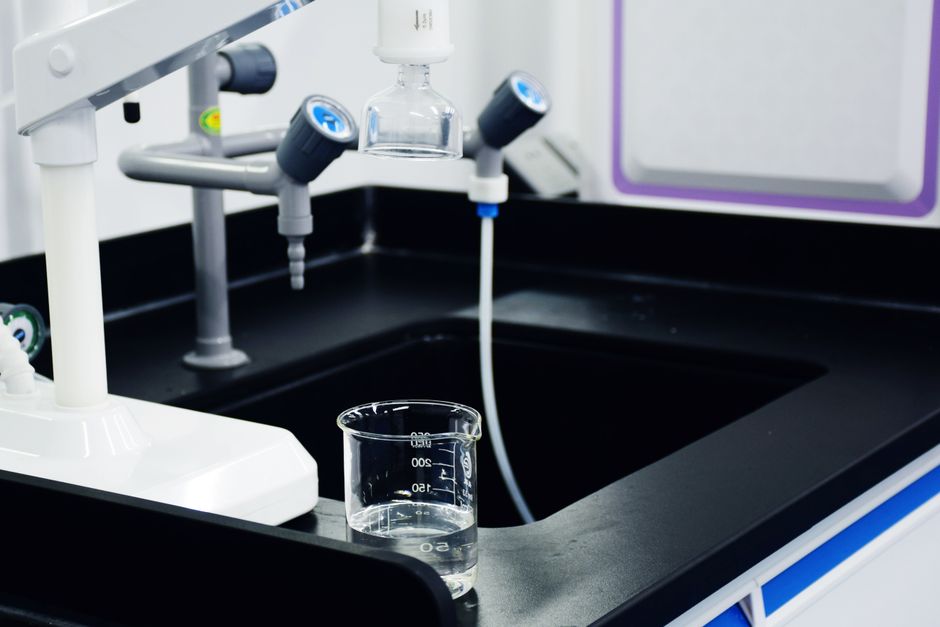
You have a few solid options for getting your well water analyzed by certified professionals:
- State-Certified Laboratories – These are your gold standard. Search for “certified water testing labs in [your state]” to find one near you. They’re accredited and results are legally defensible.
- Your Local Health Department – Many county or local health departments offer well water testing services directly, or they can point you toward certified labs in your area. Call and ask what they offer.
- County Environmental Offices – These offices often provide sample containers and collection instructions. They know which labs are legitimate and reliable in your region.
Avoid testing kits you buy online that claim to give you instant results at home. Those basic test strips aren’t accurate enough for making health decisions. You need a real laboratory with proper equipment.
How Often Should You Test Well Water?
At minimum, test your well water once per year. Pick the same time each year so you build a history of your water quality over time.
Test more frequently if:
- You notice strange tastes, odors, or colors in your water
- You suspect bacterial contamination (cloudy water, recent flooding, or construction near your well)
- Someone in your household gets sick with no other explanation
- You made changes to your septic system or have new neighbors
- You’re buying or selling the property
Some families test twice a year just to be thorough, especially if they have young kids or pregnant members in the home.
Understanding Your Test Results
When the lab sends results back, you’ll get a report with numbers next to each parameter. Here’s what to look for:
- Coliform bacteria: Should be absent (0 CFU/mL). Anything above zero means you need water treatment.
- Nitrates: Should be below 10 mg/L. The EPA sets this limit because higher levels pose health risks.
- pH: Should be between 6.5 and 8.5. Outside this range, your water is either too acidic or too alkaline.
- TDS: Below 500 mg/L is generally acceptable. Above 1,000 mg/L and you’ll probably notice taste issues.
If any results come back outside the safe range, don’t panic. It means you need treatment, and there are affordable solutions available. Whether it’s a simple pitcher filter or a more advanced whole-house water treatment system from WaterPurityGuide, you’ll find options that fit your budget and contamination profile.
Related: How UV Water Purification Works: A Simple Guide
What to Do If Your Results Are Bad
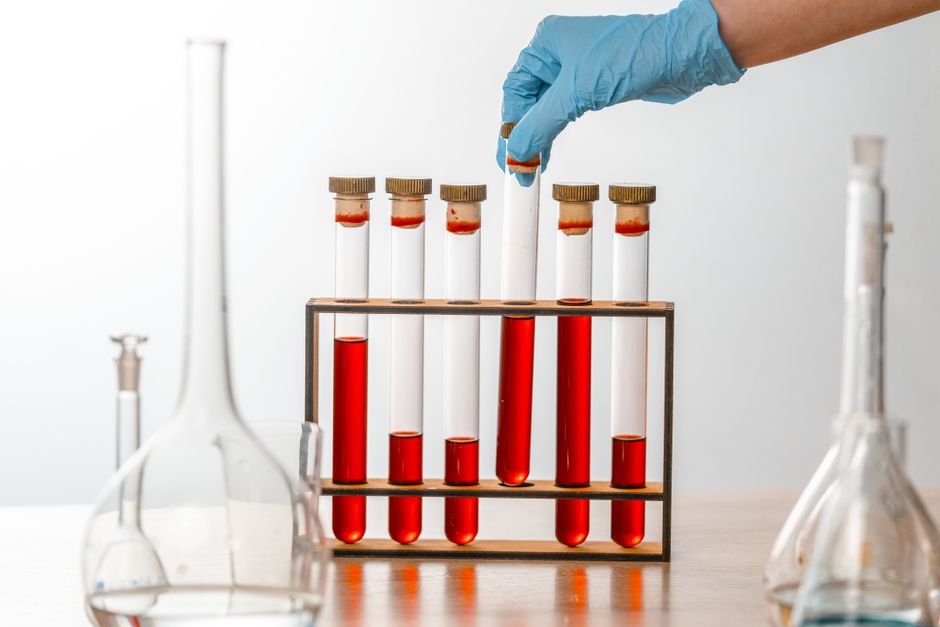
Bad test results don’t mean your well is ruined forever. It means you’ve caught a problem and can fix it.
Common solutions include:
- Bacterial contamination: Shock chlorination, UV systems, or reverse osmosis filters can eliminate bacteria.
- High nitrates: Reverse osmosis or ion exchange systems are very effective at removing nitrates.
- Low pH (acidic water): A neutralizing filter or pH adjustment system adds minerals back to balance the water.
- High TDS: Reverse osmosis or distillation removes excess minerals.
The right treatment depends on what’s actually in your water. That’s why testing comes first. You wouldn’t treat a problem you haven’t diagnosed.
Related: Reverse Osmosis Water Purification System: Complete Buyer’s Guide
Related: How to Choose a Water Filtration System: A Practical Guide
Cost of Well Water Testing
Here’s what you’re looking at financially:
- Basic essential tests: Usually $50-$150 per sample. Covers the four critical parameters.
- Comprehensive tests: Can range from $150-$300+. Screens for 50+ contaminants including heavy metals and pesticides.
- Special tests: If you suspect specific contaminants (like radon or lead), specialized testing costs extra.
Yes, testing costs money. But it’s way cheaper than dealing with contaminated water making your family sick, or buying bottled water forever. Most homeowners find it’s the best $100-$200 they spend all year.
Once you know what you’re dealing with, WaterPurityGuide offers testing kits and filtration systems designed to address the most common well water issues at every price point.
Red Flags: When to Test Right Now
Don’t wait for your annual test if you notice any of these warning signs:
- Your water suddenly smells like rotten eggs or chemicals
- The water is cloudy, brown, or has visible particles
- You taste metallic or salty flavors
- Someone in your house has unexplained gastrointestinal illness
- Your neighbors report well problems
- There was recent flooding, construction, or pesticide application near your well
Any of these scenarios mean you should call your local health department today and ask about emergency testing. They take these situations seriously and can usually accommodate rush requests.
Getting Started With Testing
Here’s your action plan for this week:
Step 1: Search online for “state-certified water testing labs near me” or call your county health department and ask where they recommend getting well water tested.
Step 2: Ask them to send you sterile sample containers and collection instructions. Most will mail them for free.
Step 3: Follow their instructions exactly when collecting your sample.
Step 4: Deliver the sample to the lab and pay for the basic test (or comprehensive if you want more data).
Step 5: Review your results when they arrive and decide if you need water treatment.
The entire process takes maybe 2-3 weeks from start to finish, and you’ll have answers about what’s actually in your water. That peace of mind is worth every penny.
People Also Ask
How long does well water testing take?
Most certified labs return results within 7-14 days after they receive your sample. Some expedited tests can turn around in 3-5 days, but they cost more. The delay is because labs run multiple quality checks to ensure accuracy.
Can I test my well water myself at home?
Basic home test strips exist, but they’re not reliable enough for making health decisions. They’re better than nothing if you’re just curious, but for real answers about whether your water is safe, you need professional laboratory analysis. According to the EPA’s guidance on private well testing, certified lab results are the gold standard.
What if my well water test shows bacteria but no obvious illness?
Bacteria in your water is still dangerous even if no one is sick yet. Some people show symptoms immediately while others might be carriers without realizing it. Young kids, elderly family members, and people with weak immune systems are especially vulnerable. Don’t take the risk – treat the water or boil it until you have a filtration system in place.
Is well water testing required by law?
No federal law requires well owners to test their water. That’s why it’s up to you. However, some states, counties, or mortgage lenders do require testing before buying a property with a well. Check your local regulations, but the smart move is to test regardless of legal requirements – your family’s health depends on it.