Reverse osmosis (RO) systems are commonly recommended for producing very pure drinking water. But is RO water good for everyday use — not just occasional use or for special applications? This guide breaks down the real pros and cons, practical considerations, and simple steps to decide if RO is the right daily drinking water solution for your home.
Below you’ll find how RO works, what it removes (and what it can remove too much of), safety and maintenance points, and realistic alternatives. Read on for clear, actionable guidance you can use when choosing or using an RO system.
How reverse osmosis works — a quick, practical overview
Reverse osmosis forces water through a semipermeable membrane that blocks dissolved solids, many salts, heavy metals, and a range of organic contaminants. Typical systems pair a sediment and carbon prefilter, the RO membrane, and often a post-carbon or remineralization stage. The result is very low total dissolved solids (TDS) and typically excellent taste and clarity.
Key benefits of RO for everyday drinking
RO water’s advantages for daily use include consistent contaminant reduction, improved taste, and fewer odors. If your tap contains high levels of lead, arsenic, PFAS, or hardness-related minerals that affect flavor, an RO system can make daily drinking water noticeably better.
Types of home RO systems and where to install them
RO systems come in under-counter and countertop formats. Under-sink models integrate into kitchen plumbing and are suitable if you want a dedicated drinking-water faucet without moving a unit. If you need portability or minimal installation, countertop units are practical and quick to set up.
Under Sink Reverse Osmosis Systems are best when you want a permanent, high-capacity solution that stays out of the way.
Countertop Reverse Osmosis Systems work well for renters, small kitchens, or users who want a portable RO option.
Minerals and taste: should you be concerned?
RO removes most dissolved minerals, which some people worry will make water “too pure” or deprive them of beneficial minerals. In practice, the minerals people get from food provide the vast majority of daily requirements; drinking water is only a minor contributor for most diets.
If you prefer mineralized water for taste or pH balance, there are RO models with alkaline or remineralization stages that add back selected minerals for taste. For example, systems such as the Waterdrop X8-WAN Alkaline Mineral Tankless Reverse Osmosis System provide tankless flow while adding minerals back for a balanced taste.
Safety and bacterial risk — what to watch for
RO membranes and storage tanks can become a place where bacteria grow if a system isn’t maintained or if filters are overdue for replacement. Proper maintenance schedules, periodic sanitization, and using systems with added disinfection stages reduce this risk.
If bacterial contamination is a specific concern — for example, well water or intermittent water supply — consider systems with UV sterilization or test water regularly. The Aigerri UV Countertop Reverse Osmosis Water Filter combines RO with UV treatment for extra microbial protection.
To verify microbial safety on your schedule, use a reputable test kit like those in the Bacteria Water Test Kits category to detect coliforms, E. coli, and other indicators.
Practical considerations: waste water, flow rate, and storage
RO systems produce wastewater; typical ratios vary from 1:1 to 4:1 (waste to product) depending on system type and pressure. Tankless models and newer designs reduce waste, while high-efficiency units use permeate pumps or improved membranes to lower drain flow. If you want stored ready-to-use water, an RO storage tank speeds dispensing and smooths flow.
For households that prefer a dedicated storage option, the Neo-Pure Reverse Osmosis Storage Tank is an example of an accessory that gives immediate access to RO water without waiting for on-demand production.
Maintenance, parts, and long-term costs
Routine maintenance is essential: replace prefilters every 6–12 months, RO membranes every 2–5 years (depending on feed water quality), and post-filters per manufacturer guidance. Neglect shortens membrane life and can let contaminants bypass the system.
Keep replacement parts and installation accessories on hand. The Reverse Osmosis System Parts category includes common cartridges, fittings, and tubing you’ll need for upkeep or repairs.
When RO might not be the best everyday choice
If your municipal water is already treated to high standards, tastes fine, and contains low contaminant levels, a simpler carbon filter (pitcher, faucet, or under-sink) may be more cost-effective and generate no wastewater. Also, if you’re constrained by low water pressure or limited drain access, installing a full RO system may be impractical.
For on-the-go needs or emergency situations, lightweight options like Water Filter Bottles or compact emergency filters can be a better fit than a full household RO setup.
Checklist: Is RO right for your everyday drinking water?
- Do you have known contaminants (lead, arsenic, PFAS, heavy metals)? — RO is strong here.
- Do you want the best possible taste and clarity? — RO is effective.
- Are you willing to perform regular maintenance and budget for replacement parts? — Necessary for safe operation.
- Can you accommodate waste water and a drain connection, or do you need a tankless, low-waste option? — Choose system accordingly.
- Do you prefer added minerals or UV disinfection? — Consider models with remineralization or UV.
FAQ
Q: Does RO water remove fluoride?
A: Yes — standard RO membranes remove a significant portion of fluoride. If you want fluoride retained, look for systems with remineralization stages or avoid RO for your main supply.
Q: Will RO water hydrate me less because it has fewer minerals?
A: No — hydration depends on water intake, not mineral content. Food provides most essential minerals for most people.
Q: How often should I change RO filters and the membrane?
A: Replace sediment/carbon prefilters every 6–12 months, post-filters yearly, and membranes every 2–5 years depending on feed water quality and usage.
Q: Can an RO system remove bacteria and viruses?
A: RO membranes can reduce bacteria and viruses, but they are not a guaranteed sterilization method. Systems with UV or certified microbial barriers provide extra assurance.
Q: Is RO water safe for infants and cooking?
A: RO water is safe for cooking and most household uses. For infants, consult pediatric guidance about water composition for formula; many parents use RO water but may consider remineralization for specific needs.
Conclusion — practical takeaway
Reverse osmosis produces very pure, great-tasting water and is an excellent everyday choice when your source contains dissolved contaminants, heavy metals, or noticeable taste issues. Choose the system type that fits your space (under-sink or countertop), plan for regular maintenance and parts, and consider options with remineralization or UV if you want added benefits. If you prioritize portability or emergency readiness, compact water filter bottles may complement or replace a household RO solution.
Products Featured in This Article
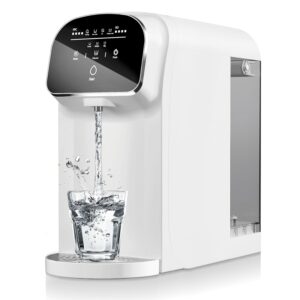
Aigerri UV Countertop Reverse Osmos…
From the brand Purity, Made Simple Founded in 2020, Aigerri was born from a simple belief:…
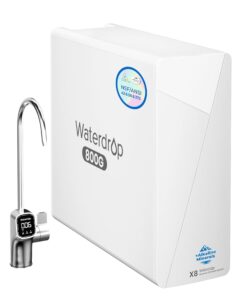
Waterdrop X8-WAN Alkaline Mineral T…
From the brand Reverse Osmosis Water Filter [0.0001 μm RO + added minerals] Waterdrop X8-Alkaline combines…
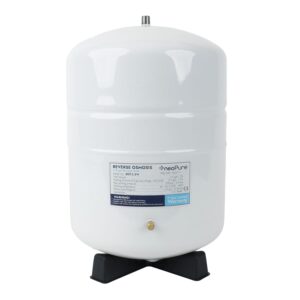
Neo-Pure Reverse Osmosis Storage Ta…
Product description RO Tanks Neo-Pure Stainless Steel Tanks How To Choose The Right RO Tank neoPure…