
Sediment, Chlorine, Lead, and Bacteria: What Water Filters Can Help Reduce
Tap water can contain a variety of unwanted materials — from visible grit to invisible microbes and dissolved chemicals. Knowing which contaminant you’re dealing with and choosing the right filtration method makes the difference between clearer, better-tasting water and continued problems.
This guide explains how common filter types address sediment, chlorine, lead, and bacteria, plus practical steps for testing, choosing equipment, and maintaining performance.
How contaminants differ and why that matters
Sediment is physical material (sand, rust, silt). Chlorine is a chemical disinfectant added by utilities for safety and odor control. Lead is a toxic metal that typically comes from plumbing. Bacteria are living organisms that may cause illness if present in sufficient numbers.
Because these hazards behave differently (particulate, dissolved chemical, dissolved metal, or biological), the filter media, pore size, and technologies required to reduce each one differ as well. Start by testing to confirm which contaminants are present before buying a system.
Sediment: what cuts grit and particles
Sediment is often the easiest to remove mechanically. Filters rated by micron size trap particles — the lower the micron rating, the finer the filtration. For whole-house or pre-filtration, look for 5-micron or lower cartridges; for point-of-use a 1–5 micron barrier will capture visible sand and rust.
For households on well water or with frequent rust and sand, a dedicated sediment cartridge can extend the life of downstream filters and appliances. A common, practical option is a 5-micron replacement designed for well systems like the Aquaboon 5 Micron sediment filter, which fits many whole-house housings and is inexpensive to replace.
Chlorine and chloramine: carbon and catalytic media
Chlorine is chemically reactive and tastes/ smells like a pool. Activated carbon adsorbs chlorine and many organic compounds that cause taste and odor issues. For typical municipal chlorine, standard granular or block carbon filters in pitchers, faucet mounts, refrigerators, or under-sink systems work well.
If your utility uses chloramine (a combination of chlorine and ammonia), you’ll need catalytic carbon or specialized media. For replacement needs, choose proven carbon cartridges from a reputable replacement supply, such as the Replacement Carbon Filters category — they list compatible carbon options for many systems.
Chlorine in showerwater can cause skin and hair dryness. Simple in-line systems for showers reduce chlorine before it contacts skin — see the available Shower Water Filters if that’s your primary concern.
Lead: testing first, filtration options next
Lead is typically not distributed evenly in a water system; it often enters water at the tap from old solder, fittings, or pipes. That makes testing at the point of use crucial before selecting a solution.
Start by confirming presence and approximate level with certified kits. A good category to check for home testing is Lead Water Test Kits, which help you determine whether lead is present and whether point-of-use filtration is necessary.
For reducing lead, several technologies work well: pitcher and carbon block filters certified for lead reduction, under-sink carbon or reverse osmosis systems, and NSF/ANSI-certified cartridges. If you prefer a pitcher option, replacements like the Brita Elite water filter replacements are marketed for significant lead reduction in pitcher applications — verify certifications and replace on schedule.
Bacteria: barriers, UV, and testing
Bacterial contamination is different: filters must either physically exclude bacteria (very small pore sizes), chemically inactivate them, or prevent their growth. Ceramic filters, sub-micron membrane filters (0.1–0.2 micron), and UV sterilization systems are commonly used for biological protection.
If you suspect bacterial contamination (cloudy water after sitting, sewage odors, or positive test results), start with a reliable test product such as the Bacteria Water Test Kit – 12 tests. For emergency or outdoor use, portable filters with sub-micron membranes or chemical options can provide immediate protection; consider keeping an Emergency Water Filters option on hand for travel or boil-water advisories.
Choosing point-of-use vs whole-house systems
Point-of-use (POU) systems — pitchers, faucet filters, under-sink units, and fridge filters — treat water at a single tap and are cost-effective for addressing drinking and cooking water concerns. Whole-house (point-of-entry) systems protect plumbing, appliances, and showers but are more expensive and usually focus on sediment, chlorine reduction, and scale control rather than microbiological safety.
If your main concern is drinking water contaminants like lead or bacteria, an under-sink system or RO unit is often the best compromise. For an under-sink multi-contaminant option that targets many common city and well-water contaminants, consider an advanced unit such as the Waterdrop TSA 8 Layer Under Sink system — validate certifications for the specific contaminants you need reduced.
Maintenance, replacements, and what to watch for
Filters only work while they’re in good condition. Replace cartridges on the manufacturer’s schedule, watch for pressure drops (a sign of clogging), and follow sanitation steps for systems with storage tanks. For pitcher and appliance filters, keep spare replacement cartridges from trusted lines to avoid performance gaps — look to categories that specialize in replacements if you need exact fits.
Using the right replacement parts and connectors reduces installation mistakes. If you change filter types (e.g., switch from a sediment-only prefilter to carbon block), flush systems thoroughly after installation to remove trapped manufacturing dust.
- Test first: use targeted test kits for lead, bacteria, or a full drinking-water panel.
- Match technology to contaminant: sediment = micron filters; chlorine = carbon; lead = carbon block/RO; bacteria = sub-micron/UV/ceramic.
- Prefer certified products (NSF/ANSI where applicable) and follow replacement schedules.
- Combine stages when necessary (sediment prefilter + carbon + RO/UV) for multiple contaminants.
Checklist: buying and installing the right filter
- Confirm which contaminants are present with a test kit.
- Decide POU vs whole-house based on which outlets need protection.
- Check product certifications and published reduction data.
- Plan for prefiltration if source water has high sediment.
- Budget for replacement cartridges and service.
- Keep a portable or emergency filter on hand for outages or advisories.
FAQ
- Q: How do I know if my water has lead?
A: The only reliable way is testing. Use a lead test kit designed for drinking water; follow instructions for first-draw and flushed samples to detect plumbing-sourced lead. - Q: Will a carbon filter remove bacteria?
A: Standard carbon filters improve taste and remove chlorine and some organics, but most are not rated to reliably remove bacteria unless specifically designed with a sub-micron barrier or antimicrobial stage. - Q: Do I need UV if I have a ceramic filter?
A: Ceramic filters physically block many bacteria and protozoa, but UV provides a chemical-free method of inactivation and is a strong complement when microbiological safety is critical. - Q: How often should I replace pitcher or fridge filters?
A: Follow the manufacturer’s recommended lifespan (often measured in months or gallons). Replace sooner if flow slows or taste returns. For pitcher replacements, certified options such as the Brita Elite replacements are available in multi-packs. - Q: What should I do if a bacteria test is positive?
A: Stop using tap water for drinking and cooking until you’ve confirmed the result with lab testing and addressed the source. Use boiled or appropriately treated bottled water or a certified emergency filter while resolving the issue.
Conclusion
Start with accurate testing, match the contaminant to the appropriate technology, and plan for maintenance. Sediment is handled by micron filters, chlorine by activated or catalytic carbon, lead by certified carbon block or RO systems, and bacteria by sub-micron/ceramic filters or UV. Keep an emergency filtration option ready and replace cartridges on schedule to keep your system performing.
Products Featured in This Article
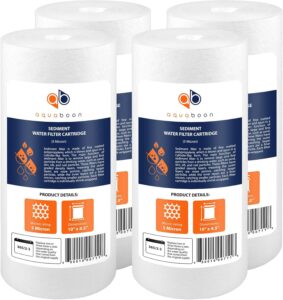
Aquaboon 5 Micron 10 x 4.5 Well Wat…
Product description Universal Fit for Whole Home Water Filtration: 5 micron sediment filter 10 x 4.5…
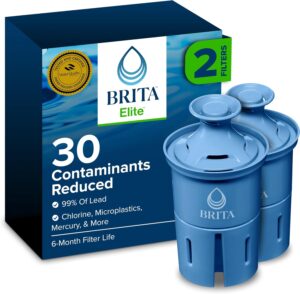
Brita Elite Water Filter Replacemen…
Get cleaner, great-tasting water for longer with the Brita Elite Pitcher Replacement Filters which are NSF…
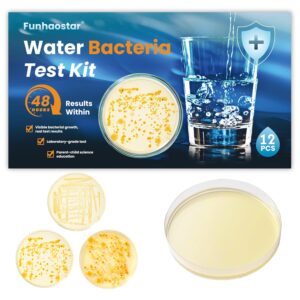
Bacteria Water Test Kit – 12 …
Product description 【Complete Water Testing Kit】- The Funhaosta Bacteria Test Kit includes 12 culture plates, detailed…
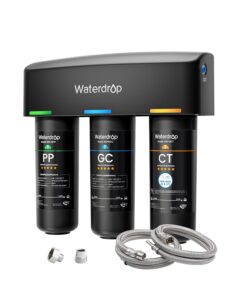
Waterdrop TSA 8 Layer Under Sink Wa…
From the brand Filter Better Live Healthier Innovative Dual Filtered Flows Waterdrop Filter Replacement [Easy DIY…