What Happens If You Don’t Change Your Water Filter on Time?
Changing a water filter on schedule is one of the simplest steps to keep your tap water tasting and performing well. Yet many people delay replacements because filters still “seem” to work, or because replacement timing is unclear.
If you’re noticing off tastes, slow flow, or unexpected buildup, start by confirming your water quality with a reliable test — a Drinking Water Test Kits can show if contaminants or dissolved solids are rising as a filter ages.
Why Filters Need Regular Replacement
Most filters remove particles, chlorine, VOCs, heavy metals or biological contaminants by trapping them in media (carbon, membrane, etc.). Over time that media becomes saturated: it no longer captures contaminants effectively and can become a breeding ground for bacteria or a source of taste and odor problems.
Manufacturers set lifespans based on flow, contaminant load, and capacity. Exceeding that lifespan reduces removal efficiency and risks passing contaminants through rather than blocking them.
Common Signs Your Filter Is Overdue
Watch for these straightforward indicators that a filter needs replacing:
- Reduced flow rate or longer fill times.
- Persistent chlorine or metallic taste and odors.
- Cloudy or discolored water, or visible sediment.
- Repeated clogging of downstream aerators or appliance lines.
If you use a pitcher filter and notice taste or flow changes, consider swapping the cartridge — see options for Pitcher Water Filters if you need replacements or upgrades.
Health and Safety Risks of an Expired Filter
An old or saturated filter may stop removing harmful substances and can even harbor microbes. This increases the chance that bacteria and certain dissolved contaminants reach your tap water.
When biological contamination is a concern, a Bacteria Water Test Kits can detect coliforms or E. coli. If your plumbing is old or you have a known lead source, run a Lead Water Test Kits before and after a filter change to confirm reduction.
How Performance Declines — Taste, Odor, and More
Activated carbon filters, the most common consumer media, remove chlorine and many organic compounds that cause taste and odor. As carbon ages, it loses adsorption capacity and may release trapped compounds back into the water, producing stale or off tastes.
If you rely on carbon-based cartridges, replacing them on schedule or switching to certified media replacements (look for certified Replacement Carbon Filters) restores taste and odor control.
Appliance Strain, Plumbing Issues, and Costs
A clogged filter increases pressure on pumps and can reduce the efficiency of appliances that rely on filtered water. Refrigerators, ice makers, and point-of-use dispensers will work harder or dispense less water if a filter is blocked.
When appliance water pathways clog or ice quality suffers, replacing the relevant cartridge helps — check compatible Refrigerator Water Filters and follow manufacturer guidance to avoid damage.
When and How to Change Different Filter Types
Replacement frequency depends on filter type, water source, and household use:
- Pitcher filters: typically every 2–6 months or when taste/flow declines.
- Refrigerator filters: commonly every 6 months or per fridge instructions.
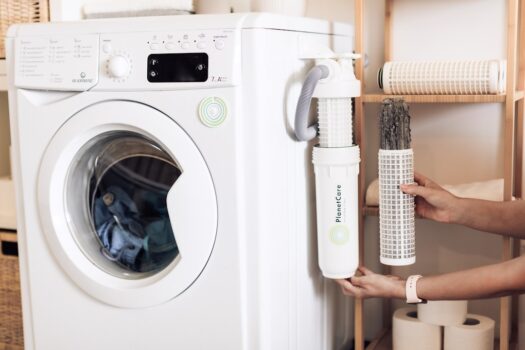
- Under-sink or whole-house cartridges: often every 6–12 months, or sooner with heavy sediment.
For under-sink systems and point-of-use cartridges, choose the proper size and media — explore certified options for Under Sink Water Filters and follow capacity guidelines for your household.
Shower Filters and Skin/Hair Effects
Shower filters reduce chlorine and some contaminants that can dry skin and fade hair color. An exhausted shower cartridge delivers little benefit and may let buildup pass back into the water stream. If you notice dry skin or changed water spray, a replacement can improve comfort quickly — consider Shower Water Filters designed to address your specific concerns.
Maintenance Tips to Avoid Early Replacement
Simple habits extend filter life and maintain performance:
- Pre-filter sediment when supply is turbid to protect cartridges.
- Flush new cartridges per instructions to remove carbon fines.
- Keep housings clean and check seals to prevent bypass.
- Record installation dates and schedule calendar reminders.
Quick Checklist
- Check flow, taste, and odor monthly.
- Use water test kits if you detect potential contamination.
- Replace cartridge on schedule or when signs appear.
- Use manufacturer-recommended replacements and flush after install.
- Keep spare filters on hand to avoid gaps in protection.
FAQ
How long can I safely run a filter past its recommended life?
You can often run a short time past the recommendation, but protection and flow will decline — replace as soon as possible and test water if you have concerns.
Will an old filter make my water toxic?
An old filter reduces removal efficiency and can allow contaminants through; it’s unlikely to suddenly create toxins, but it can increase exposure to existing contaminants. Test if you suspect a problem.
Can I clean and reuse disposable cartridges?
Disposable cartridges are not designed for cleaning — doing so usually damages the media and reduces effectiveness. Replace with appropriate cartridges instead.
How do I choose the right replacement?
Match the model, capacity, and contaminant reduction claims. For under-sink systems, look for certified parts; for pitchers and fridges, use compatible cartridges listed for your product.
Should I test my water after changing a filter?
Periodic testing is a good practice. After a change, testing with a home kit or professional test confirms the new filter is functioning as expected — consider a Bacteria Water Test Kits or other targeted tests if needed.
Conclusion — Practical Takeaway
Delaying filter replacement reduces protection, degrades taste, and can stress appliances. Keep a simple schedule, watch for clear signs (taste, flow, cloudiness), and use targeted test kits when you suspect contamination. Replacing cartridges on time is inexpensive compared with the risks and costs of degraded water quality and appliance damage.