

What Is a Micron Rating in Water Filters and Why Does It Matter?
Micron rating is one of the most important specifications to understand when choosing any water filter. It tells you the smallest particle size the filter is designed to remove and directly affects what contaminants will be captured, how quickly water flows, and how long the filter lasts.
This guide explains micron ratings in plain terms, compares common ratings and media, and shows how to pick the right micron size for your water source and goals.
What Is a Micron?
A micron (µm) is one millionth of a meter. For water filtration, the micron rating indicates the size of particles that a filter can trap. A 5-micron filter captures most particles larger than about 5 µm; it may catch some smaller particles too, depending on the filter design, but it won’t reliably remove particles below its rated size.
How Micron Ratings Are Measured
Manufacturers use standardized test methods to measure micron efficiency, but real-world performance depends on manufacturing quality and media type. Ratings are often given as nominal or absolute:
- Nominal micron rating: captures a high percentage (commonly ~85%) of particles at the stated size.
- Absolute micron rating: captures nearly all (99.9% or greater) particles at the stated size.
When buying, note whether the rating is nominal or absolute and favor absolute ratings for critical uses like sterile or laboratory-grade filtration.
What Different Micron Ratings Remove
Here are common micron ratings and what they typically remove:
- 100–50 µm: large sand, silt, and visible debris—often used as prefilters on well and municipal supplies.
- 10–5 µm: fine sediment, rust particles, some cysts (Giardia/Cryptosporidium may be larger than 1 µm), common for whole-house sediment filters.
- 1–0.5 µm: most cysts and many bacteria are reduced or captured by mechanical filters at or below this size when rated absolute.
- 0.1–0.01 µm: required for reliable virus removal and for technologies like reverse osmosis and ultrafiltration.
For example, many homeowners choose a 5-micron whole-house sediment cartridge as a balance between particle removal and flow; a widely available option is the Aquaboon 5 Micron 10 x 4.5 Well Water Sediment Filter, commonly used as a prefilter ahead of more advanced stages.
Micron Rating vs Filter Media
Micron rating describes particle size, not chemical removal. How contaminants are removed depends on media:
- Sediment cartridges (pleated or spun): mechanical capture based on micron size.
- Carbon blocks/granular carbon: remove chlorine, taste, odor and some organics, but their nominal micron rating is typically larger and they are not designed for virus removal.
- Reverse osmosis and ultrafiltration membranes: remove particles down to sub-micron and dissolved solids; these systems pair mechanical prefilters with low-micron membranes. A practical household example is the Waterdrop TSA 8-Layer Under Sink Water Filter System, which uses layered filtration to reach very small particle sizes and reduce a range of contaminants.
How Micron Rating Affects Flow Rate and Lifespan
Smaller micron ratings trap more and smaller particles, which means faster clogging and potentially lower flow. Filters with very fine media often require prefiltration (larger micron prefilter) to protect the fine stage and extend life.
When designing a system, pair a larger-micron prefilter with a fine final stage. Replacement parts and cartridge availability should be checked before purchase—browse Replacement Water Filter Cartridges to match sizes and micron ratings for long-term upkeep.
Choosing Micron Rating Based on Your Water Source
Your source water largely determines the sensible micron choice:
- Municipal tap water: generally low in visible sediment; a 1–5 µm filter combined with carbon is common for improving taste and removing chlorine byproducts.
- Well water: often contains sand, iron, and more suspended solids—start with a 25–10 µm prefilter and move to 5 µm or finer downstream.
- Surface water or uncertain sources: use multi-stage systems and consider ultrafiltration/RO if biological contamination is possible.
Before choosing, confirm contaminants and levels with proper testing. A good starting point is a general Drinking Water Test Kits to identify metals, nitrates, pH, and basic organics; for bacteria, use a specific kit (see next section).
When Micron Rating Matters for Biological Contaminants
Bacteria and protozoa vary in size—protozoan cysts (Giardia, Cryptosporidium) are typically 3–10 µm, while many bacteria are 0.5–5 µm. Filters rated 0.5–1 µm or absolute-rated membrane filters can greatly reduce bacteria and cysts. For confirmation before and after treatment, consider a test such as the Bacteria Water Test Kit – 12 Tests.
Viruses are smaller (0.02–0.3 µm) and typically require RO, ultrafiltration with validated virus-reduction ratings, or disinfection (UV, chlorination). Never assume a mechanical micron rating alone removes viruses unless the system explicitly lists virus reduction performance.
Micron Ratings for Specific Applications
Pick micron sizes by application:
- Whole-house sediment protection: 25–5 µm prefilters, then finer cartridges if needed.
- Drinking water pitchers and dispensers: usually 1–5 µm with carbon stages—check replacement schedules and options among Replacement Pitcher Filters.
- Shower filters: designed to reduce chlorine and particulates at micron sizes compatible with shower flow—see available Shower Water Filters if skin sensitivity or odor is a concern.
- Emergency and portable use: compact filters often use sub-micron hollow-fiber or straw filters—browse Emergency Water Filters for low-weight options that balance micron rating and portability.
Installation, Maintenance, and Testing Best Practices
Follow these rules to keep a micron-based system performing:
- Install a prefilter before fine stages if your source has sediment.
- Replace cartridges on the schedule or sooner if flow drops or taste changes.
- Test water after installing a new system to confirm target contaminants are reduced to acceptable levels.
Quick Checklist: Choosing the Right Micron Rating
- Test your water source for sediment, metals, microbes, and chemicals.
- Choose coarse prefiltration for dirty well or surface sources.
- Select fine (1–0.5 µm) or membrane stages for microbial or cyst concerns.
- Balance desired contaminant removal against flow rate and replacement frequency.
- Confirm replacement parts and cartridges are readily available.
FAQ
Q: Does a lower micron number always mean better filtration?
A: Not always. Lower micron removes smaller particles but can reduce flow and clog faster. Match the micron rating to the contaminant you need to remove and use prefiltration when necessary.
Q: Can a 1-micron filter remove bacteria?
A: Many bacteria are larger than 1 µm and can be captured by high-quality absolute 1 µm filters, but not all. For guaranteed microbial safety, use validated disinfection or certified microbial reduction systems.
Q: How often should I replace filters?
A: Replacement depends on source water quality and usage. Check manufacturer guidelines and monitor flow and taste. Heavily sedimented water will require more frequent changes.
Q: Are carbon filters rated in microns?
A: Carbon filters may list micron ratings for the mechanical parts, but their main function is chemical adsorption. Use them in combination with sediment filters and membranes where needed.
Q: Can I rely on visual clarity to judge filter effectiveness?
A: Clarity is useful but not definitive. Dissolved contaminants, microbes, and many chemicals are invisible. Test water or use certified systems to confirm performance.
Conclusion
Micron rating is a practical, measurable way to match a filter to the particles and organisms you want to remove. Choose a micron rating based on tested contaminants, balance it with flow and maintenance needs, and combine mechanical stages with carbon, RO, or UV where chemical and microbial removal is required. Start with accurate testing and select compatible cartridges and prefilters to keep the system effective over time.
Products Featured in This Article
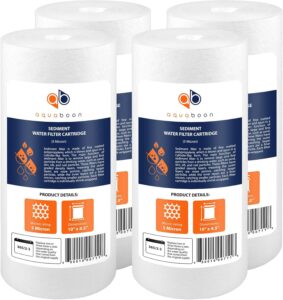
Aquaboon 5 Micron 10 x 4.5 Well Wat…
Product description Universal Fit for Whole Home Water Filtration: 5 micron sediment filter 10 x 4.5…
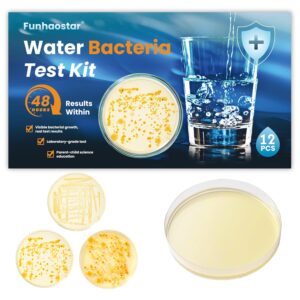
Bacteria Water Test Kit – 12 …
Product description 【Complete Water Testing Kit】- The Funhaosta Bacteria Test Kit includes 12 culture plates, detailed…
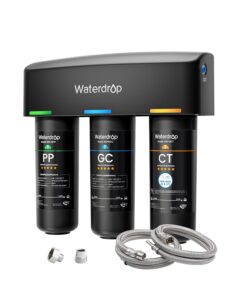
Waterdrop TSA 8 Layer Under Sink Wa…
From the brand Filter Better Live Healthier Innovative Dual Filtered Flows Waterdrop Filter Replacement [Easy DIY…