
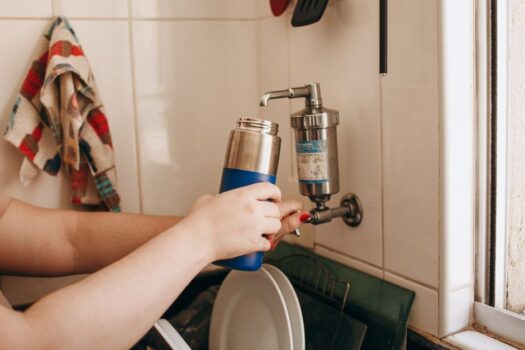
The best whole house water filter system depends on what’s actually in your water. There’s no one-size-fits-all answer, but we’ll walk you through exactly how to find the right one for your home.
Before you spend $1,000+ on a system, you need to know what you’re filtering out. Is it chlorine? Hard water minerals? Bacteria? Iron? Each contaminant needs a different approach. That’s why getting a water test first isn’t optional—it’s the foundation of every smart purchase.
Related: Best Portable Water Filter for Camping in 2026
Related: How to Choose a Water Filtration System: A Practical Guide
Related: Best Under Sink Water Filter: How to Install in 30 Minutes
Why You Need a Whole House System (Not Just a Pitcher Filter)
A whole house filter protects your entire home, not just your drinking water. Your shower water, laundry, dishwasher, and ice maker all benefit. You’re reducing soap scum, extending appliance life, and protecting your skin and hair.
Related: Best Whole House Salt-Free Water Softener & Filter Combo
Related: Whole House Water Filter Maintenance Schedule: When to Replace
Pitcher filters? They only treat what you drink. A whole house system treats everything coming into your pipes. The difference is massive.
Here’s what makes a system actually work: multi-stage filtration. Single-stage filters are usually disappointing. You want sediment removal, then activated carbon, then specialized media if you have specific issues like iron or hard water.
Top Whole House Water Filter Systems Ranked
Let’s look at the real contenders. These are systems people actually buy and trust.
Related: Best Whole House Water Filter Systems 2026: Top 5 Ranked
Related: Best Whole House Water Filtration System 2026: Top 5 Ranked
Related: Best Whole House Water Filters 2026: Top 5 Ranked
Related: Best Water Filter 2026: Top 5 Ranked for Home Use
Related: Best Countertop Water Filter Pitchers 2026: Top 6 Ranked
Related: Best Countertop Water Filter Without Electricity (2026)
Related: Best Pitcher Water Filter for Tap Water 2026: Top 5 Ranked
Related: Best Water Testing Kits for Home Use 2026: Top 5 Ranked
Related: Best Water Filters 2026: Top 5 Ranked & Compared
Related: Best Water Filtration System 2026: Top 5 Ranked & Compared
Related: Best Water Filters for Home 2026: Top 6 Ranked
Related: Best Salt-Free Water Conditioner Systems 2026: Top 5 Ranked
Related: Best Water Purification Systems 2026: Top 6 Ranked
Related: Best UV Water Purifier Replacement Bulbs 2026: Top 5 Ranked
Related: Best Water Softener Replacement Parts 2026: Top 5 Ranked
SpringWell CF1 (Best for Municipal Water)
If you’re on city water, the SpringWell CF1 is the go-to recommendation. It removes chlorine, sediment, volatile organic compounds (VOCs), and over 10 common contaminants. Flow rate hits 20 GPM, which is solid for most households. You’re looking at around $1,015 installed without labor.
Aqua-Pure 3M AP904 (Best Capacity)
The Aqua-Pure 3M AP904 filters up to 100,000 gallons before you need a cartridge change. That’s years of clean water without replacement hassles. It handles 20 GPM and is a Better Homes & Gardens favorite for a reason. It’s straightforward and reliable.
iSpring WGB32BM (Best for Well Water)
Well water is its own beast. The iSpring WGB32BM is built for it, especially if you have iron contamination. It’s a three-stage system that handles what municipal systems don’t have to deal with. Rural homeowners swear by it.
Wondering how to compare these options with confidence? WaterPurityGuide has detailed specs and customer reviews for each model so you can see real-world performance.
What to Look for When Choosing Your System
Flow Rate (GPM)
Gallons per minute matters. If your system can’t keep up with peak usage (morning showers, laundry, dishwasher running), you’ll have low water pressure. Aim for 20 GPM minimum. Less than that and you’re compromising convenience.
Filter Capacity
How many gallons can it filter before the cartridge dies? 50,000 gallons means more frequent replacements and more cost over time. 100,000+ gallons is where you want to be.
Contaminant Removal Certifications
Look for NSF or WQA certifications. These mean third parties actually tested the system and verified what it removes. Don’t trust marketing claims alone.
Your Water Source
Municipal water and well water need different systems. Municipal water is already treated, so you’re mainly removing chlorine and taste issues. Well water can have bacteria, minerals, sediment, and iron. Know your source before shopping.
Budget and Installation
The system cost is one thing, but installation adds labor charges. If you’re handy, you might DIY. Most people call a plumber, and that can run $200-500 depending on your setup. Factor that in.
How to Get Your Water Tested First
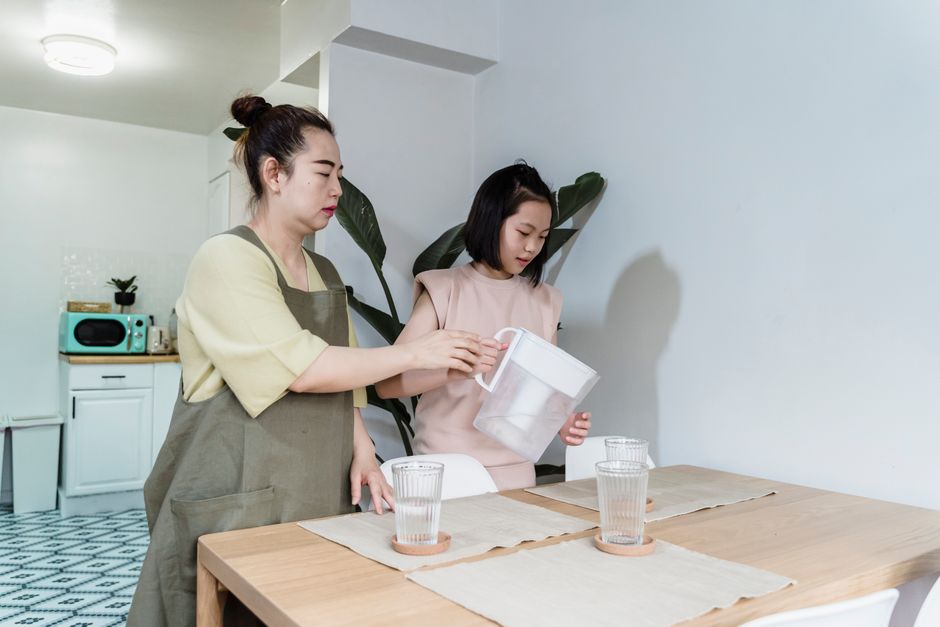
This step changes everything. You can buy a basic test kit from a hardware store (around $20), or send a sample to a lab for more detailed results (around $100-200). The lab route is worth it if you have a well or suspect specific issues.
Related: How Often to Change Whole House Water Filter: The Real Timeline
Your results will show pH, hardness, bacteria presence, chlorine levels, and other contaminants. Bring that report when you’re shopping. It’s your blueprint.
Installation: DIY or Professional?
Most whole house systems need to be installed where your main water line enters the house. That’s usually in the basement or crawl space. If you’re comfortable with basic plumbing, you might DIY. If not, call a licensed plumber.
One more thing: check your local building codes. Some areas require licensed installation for whole house systems. Don’t skip that step.
When you’re ready to compare actual models side by side with real user feedback, WaterPurityGuide walks you through the specs and helps you pick based on your water test results.
Common Mistakes People Make
Skipping the Water Test
People buy systems based on price or reviews without knowing what they actually need to filter. Then the system doesn’t solve their real problem. Test first. Always.
Ignoring Flow Rate
A bargain system that starves your water pressure isn’t a bargain. You’ll regret it every morning.
Buying Based on One Review
One person’s perfect system might be wrong for your water. Read multiple reviews and focus on people with your same water source and contaminants.
Forgetting Maintenance
These systems need regular cartridge changes. Budget for replacement filters in your total cost. A $1,015 system that costs $300 every two years adds up fast.
Making Your Final Decision
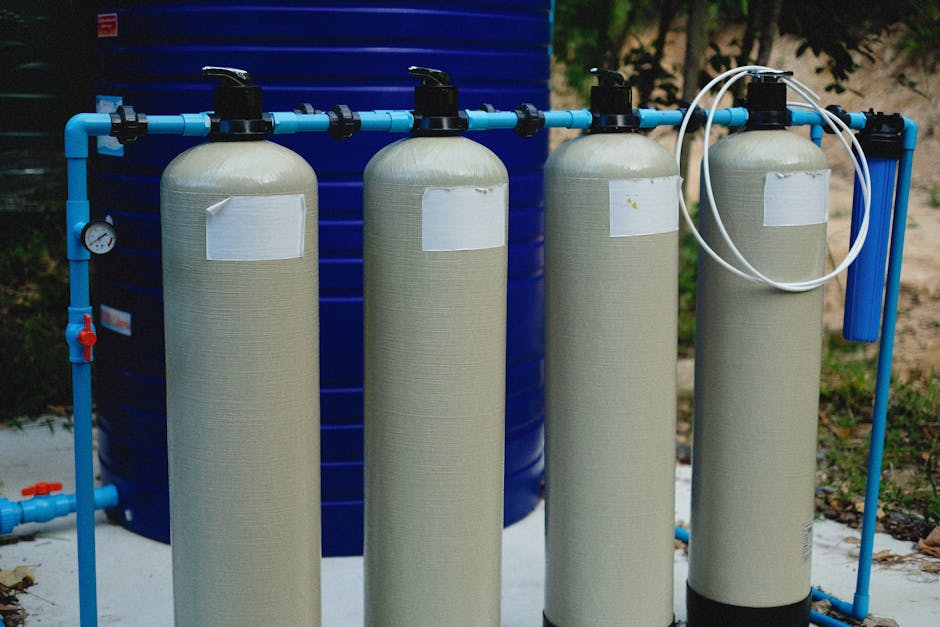
Here’s the process: test your water, identify your contaminants, check your budget, compare flow rates and filter capacity, verify certifications, then choose the system that checks all your boxes.
You’re not looking for the most expensive system or the cheapest one. You’re looking for the right one for your specific situation.
If you want to dig deeper into how these systems work or need side-by-side comparisons, WaterPurityGuide has breakdowns of every major brand with real specifications and customer feedback.
FAQ: Whole House Water Filter Questions
How long does a whole house water filter last?
Most cartridges last 6-12 months or until they’ve filtered their rated capacity (usually 50,000-100,000 gallons). Your flow rate will drop when it’s time to replace. Check your manual for specific replacement schedules. It depends on how much water you use and how contaminated your water is.
Can I install a whole house filter myself?
If you have basic plumbing skills and your system comes with clear instructions, maybe. But most people hire a licensed plumber. Your local building code might require it anyway. Improper installation can leak or damage your main water line, so be honest about your skills before you start.
Do whole house filters remove fluoride?
Standard whole house filters don’t remove fluoride. If that’s a concern, you’d need a reverse osmosis system, which is separate from a standard whole house filter. Check the NSF certifications on any system you’re considering to see exactly what it removes.
How much does it cost to replace cartridges?
Cartridges typically cost $50-200 depending on the system and filtration type. A 100,000-gallon system might need replacement every 2-3 years in an average household. Budget $30-100 per year for filter maintenance on top of your initial investment. This is why capacity matters—fewer replacements mean lower long-term costs.