
UV water purification might sound like sci-fi, but it’s actually a straightforward way to zap harmful microorganisms out of your drinking water. Here’s the deal: ultraviolet (UV-C) light at a specific wavelength damages the DNA of bacteria, viruses, and parasites, rendering them unable to reproduce or cause illness. Think of it as a targeted disinfection tool that works instantly as water flows through a chamber.
What Exactly Is UV Water Purification?
UV water purification is a disinfection method, not a filtration system. That distinction matters.
Related: What Is Osmosis? Simple Water Science Explained
Filters force water through a physical medium (like carbon or membrane) to trap contaminants. UV light, on the other hand, shines directly through the water to neutralize pathogens. The UV-C wavelength (254 nanometers) is the sweet spot for germicidal activity. When microorganisms are exposed to this light, their genetic material breaks down, and they can no longer reproduce or harm you.
It’s fast, chemical-free, and effective against a wide range of pathogens. But like any water treatment method, it has specific strengths and limitations you should understand before investing in one.
How UV Water Purification Works: Step by Step
Here’s the process in plain English:
- Water enters the UV chamber. Your tap water flows into a specially designed chamber where a UV lamp sits protected behind a transparent quartz sleeve.
- UV light exposes microorganisms. As water moves through the chamber, UV-C light beams directly into it. Every bacterium, virus, and parasite in that water gets hit with germicidal radiation.
- DNA damage occurs instantly. The UV light penetrates the cell walls of microorganisms and damages their DNA. This prevents them from replicating or infecting you.
- Clean water exits the system. Within seconds, treated water flows out the other side, now free of live pathogens.
The entire process happens in real time. No waiting, no chemicals added to your water, no aftertaste.
What Does UV Water Purification Eliminate?
UV is highly effective against:
- Bacteria (E. coli, Salmonella, Legionella, etc.)
- Viruses (norovirus, hepatitis A, rotavirus)
- Parasites (Giardia, Cryptosporidium)
Studies from organizations like the U.S. Environmental Protection Agency confirm UV’s effectiveness across a broad spectrum of microorganisms. It’s one of the most reliable ways to eliminate pathogens if your water source is contaminated.
However, UV does NOT remove chemicals, heavy metals, sediment, or other non-living contaminants. It’s not a catch-all solution, which is why many homeowners combine UV with other treatment methods.
Key Advantages of UV Water Purification
If you’re considering UV treatment for your home, here’s what makes it attractive:
- No chemicals. UV doesn’t add chlorine, iodine, or any other disinfectant. Your water stays pure without chemical residue.
- Instant results. Unlike some treatment methods, UV works in seconds. Water is disinfected the moment it passes through the chamber.
- Cost-effective. UV systems are relatively affordable compared to whole-house reverse osmosis or other advanced filtration setups.
- No taste or odor changes. You won’t notice any difference in how your water tastes or smells.
- Compact. Most UV systems are small enough for point-of-use installation under sinks or on countertops.
Important Limitations to Know

UV purification isn’t a silver bullet. Here are the key constraints:
- Requires clear water. Sediment, turbidity, and suspended particles shield microorganisms from UV light. If your water is cloudy or has visible particles, pre-filtration is essential. UV works best on already-clean water.
- No residual protection. Unlike chlorine, which continues disinfecting water as it travels through pipes, UV only works inside the chamber. Once water leaves the system, there’s no ongoing protection against new contamination.
- Doesn’t remove dissolved contaminants. UV eliminates living organisms but won’t remove lead, arsenic, fluoride, chlorine, pesticides, or other chemicals dissolved in your water.
- Requires regular bulb replacement. UV lamps degrade over time and need replacing annually or every 9,000-10,000 hours of operation.
Understanding these limits helps you decide if UV is the right fit for your situation.
Is UV Water Purification Right for Your Home?
UV works best if:
- You have microbiological contamination (bacteria or parasites) in your water supply.
- Your water is relatively clear and free of heavy sediment.
- You want a chemical-free disinfection method.
- You’re using a private well and have had water tests confirming bacterial or parasitic issues.
UV is not the best choice if:
- Your water has high turbidity or cloudiness without pre-treatment.
- You need to remove chemicals, heavy metals, or other dissolved contaminants.
- You want a comprehensive, standalone water treatment solution.
Many homeowners find that combining UV with pre-filtration (sediment and carbon filters) gives them the best results. Pre-filters remove particles and some chemicals, while UV handles the microbiological threats. This combination approach is what we typically recommend at WaterPurityGuide for homeowners dealing with multiple water quality concerns.
UV Water Purification Systems: What to Look For
If you’re shopping for a UV system, pay attention to these specs:
Related: Reverse Osmosis Water Purification System: Complete Buyer’s Guide
Related: Well Water Testing: Complete Guide to Testing Your Water
Related: How to Test Well Water Quality: Complete Guide
Related: How to Choose a Water Filtration System: A Practical Guide
Related: Best Water Purification Systems 2026: Top 6 Ranked
Related: Best Water Purification Tablets 2026: Top 5 Ranked & Reviewed
- UV-C wavelength. It should be 254 nanometers for optimal germicidal effect.
- Flow rate. Measured in gallons per minute (GPM). Make sure it matches your household’s water usage.
- Lamp wattage. Higher wattage (typically 15-40 watts for home systems) means better disinfection.
- Quartz sleeve quality. This protective tube needs to be durable and transparent so UV light passes through effectively.
- Certifications. Look for NSF/ANSI certification, which indicates the system has been tested and verified to work as claimed.
When comparing options, also check the cost of replacement bulbs and sleeves. A cheap system upfront might have expensive maintenance later.
Combining UV with Other Filtration Methods
The most effective home water treatment strategies use multiple technologies. Here’s how UV fits in:
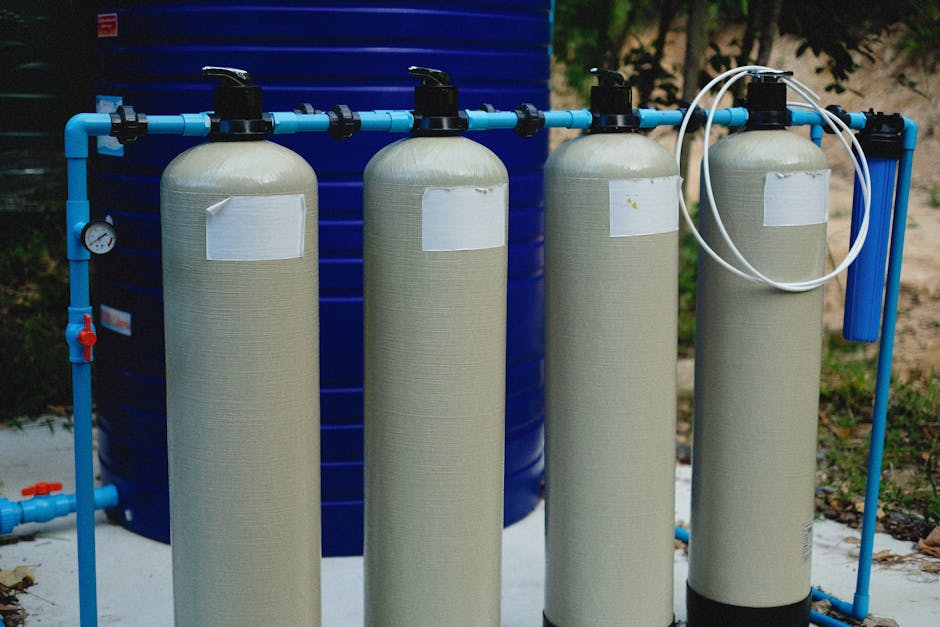
Sediment filter (first stage): Removes particles and turbidity so UV light can reach all microorganisms.
Carbon filter (second stage): Reduces chlorine, some chemicals, odors, and taste issues.
UV chamber (third stage): Disinfects any remaining bacteria, viruses, or parasites.
Optional final stage: Polishing filter or reverse osmosis for extra protection against dissolved contaminants.
This layered approach is called multi-stage treatment, and it’s the gold standard for comprehensive home water purification. If you’re dealing with unclear water or known chemical contamination alongside microbiological concerns, this setup is worth exploring. WaterPurityGuide carries systems at every stage, so you can build the exact combination your home needs.
Maintenance and Safety Tips
Keeping your UV system running safely requires minimal effort:
- Replace the lamp annually. Most UV lamps last 9,000-10,000 hours. Check your manual for the replacement schedule.
- Replace or clean the quartz sleeve. Mineral buildup can block UV light. Cleaning or replacing it every 1-2 years keeps the system efficient.
- Test water quality regularly. Use a water testing kit to confirm your system is working. If you suspect contamination, get lab testing done.
- Don’t assume it’s perfect. UV eliminates microorganisms it’s exposed to, but sediment or murky water can shield pathogens. Pre-filtration is not optional.
Also, never look directly into a UV chamber or touch an exposed UV bulb. UV-C light is powerful and can damage your eyes and skin.
Cost and Value Considerations
UV systems are generally affordable compared to other purification methods. Here’s what to expect:
- Point-of-use UV systems: $200-$500 for a quality unit.
- Replacement bulbs: $50-$150 annually.
- Whole-house UV systems: $800-$2,000 installed (if professional installation is included).
Compare this to a whole-house reverse osmosis system ($2,000-$5,000) or a comprehensive filtration setup, and UV is the budget-friendly option for microbiological disinfection. If your water tests show bacterial contamination but no chemical issues, UV might be all you need.
When to Test Your Water First
Before buying any treatment system, test your water. You can:
- Request a free test from your local water utility. If you’re on municipal water, they’re required to provide annual reports.
- Get a lab test for well water. If you have a private well, testing is essential and often reveals pathogens that make UV a must-have.
- Use a home testing kit. Quick kits give you a fast snapshot of pH, hardness, and some contaminants, though they’re not as comprehensive as professional testing.
Water testing data tells you exactly what you’re dealing with. If it confirms bacterial or parasitic contamination, UV becomes a practical investment rather than a guessing game. That’s where WaterPurityGuide can help – we carry water testing kits so you can get answers before you decide on treatment.
Frequently Asked Questions
Does UV water purification make water safe to drink?
UV makes water safe from bacteria, viruses, and parasites if the system works properly and your water is relatively clear. However, it doesn’t remove chemicals or heavy metals. So UV alone is safe if microbiological contamination is your only concern, but if your water has chemical issues too, you’ll need additional filtration.
Can UV purification remove chlorine from tap water?
No. UV disinfects living organisms but doesn’t remove chemical disinfectants like chlorine. For that, you need a carbon filter. Many people combine UV with activated carbon for complete protection against both microorganisms and chemical residues.
How often do UV bulbs need replacement?
Most UV bulbs last 9,000-10,000 hours of use, which typically translates to one year for average household use. Your system should have an alarm or indicator light to remind you. Replacing the bulb annually is essential because UV effectiveness drops significantly after that point, even if the bulb still produces light.
Is UV water purification better than boiling water?
Both work against microorganisms, but UV is faster, more convenient, and doesn’t require energy to heat water. Boiling kills microbes but doesn’t remove particles or chemicals, and it’s impractical for large volumes. UV is the modern choice for continuous, safe drinking water without hassle.